The Nation Moscow Couldn’t Break. Why Ukraine’s Independence Is Still the Most Dangerous Idea in Europe
Three and a half years into Russia's full-scale invasion, Ukraine's greatest strategic weapon may not be a missile, a drone, or an advanced battlefield technology.
It is an idea.
The idea that a free nation has the right to exist on its own terms.
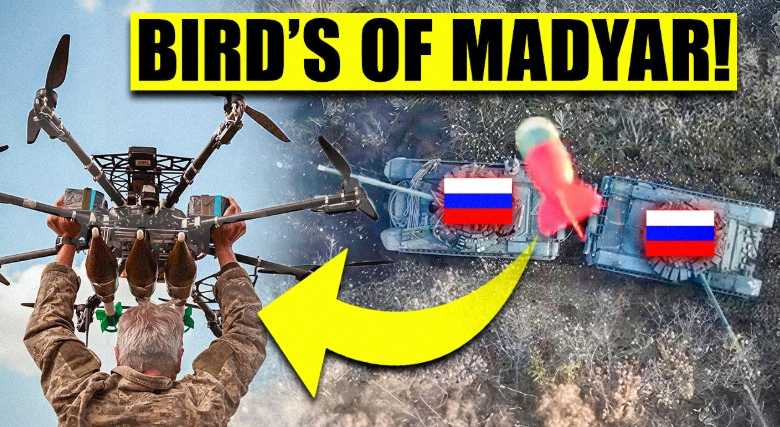
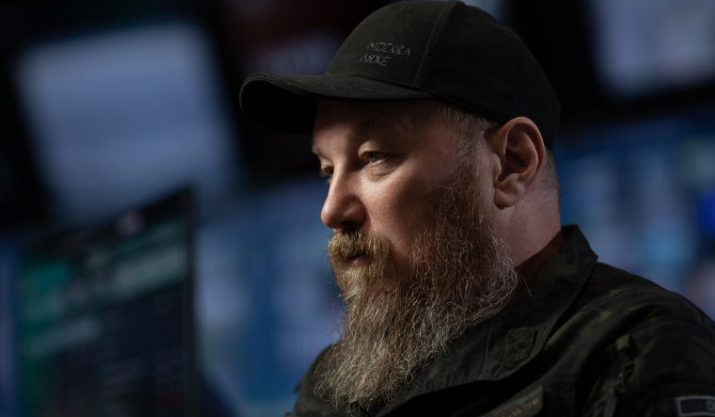
On Ukraine's Independence Day, Commander Magyar of the legendary 414th Separate Brigade "Magyar's Birds" delivered a message that captured the essence of a struggle now watched around the world:
"The Will cannot be drowned in blood. We will defend our Freedom. We desire nothing that belongs to others. We will stand; Moscow will fall."
For many outside Ukraine, such words may sound like wartime rhetoric. Inside Ukraine, they represent something deeper: a national doctrine forged through centuries of resistance.
The war between Russia and Ukraine has often been described through military statistics. Kilometers gained. Aircraft destroyed. Drones launched. Casualties counted.
Yet these measurements fail to explain one fundamental reality.
Ukraine is still standing.
When Russian troops crossed the border in February 2022, the Kremlin expected a swift collapse. Western analysts predicted Kyiv could fall within days. Russian state media prepared victory narratives before many battles had even begun.
None of it happened.
Instead, Ukraine transformed itself into one of the most resilient societies in modern history.
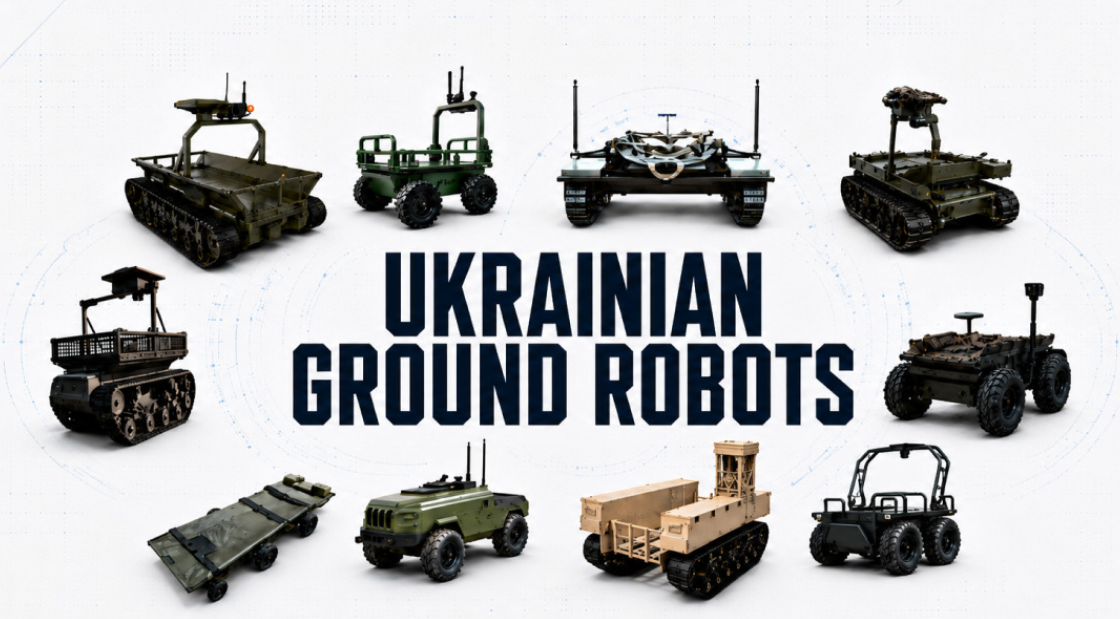
The country's soldiers adapted faster than expected. Its engineers became pioneers of drone warfare. Its volunteers built supply networks that functioned under missile attacks. Its businesses relocated, restarted, and continued operating despite constant threats.
But beneath every military success and technological achievement lies a cultural foundation often overlooked by observers.
The conviction that freedom is not something granted by governments.
It is something defended by citizens.
That spirit echoes through the words of renowned Ukrainian poet Pavlo Tychyna, whose verses were cited in Magyar's Independence Day message:
"To live — I ask no one for permission.
To live — I will break every chain."
Written generations ago, the lines feel startlingly contemporary.
They describe a people who refuse to define themselves through empire, occupation, or foreign control.
This is precisely why Ukraine represents a challenge far greater to Moscow than any military campaign.
The Kremlin's political model depends on proving that power ultimately triumphs over individual freedom. Ukraine's existence challenges that assumption every day. A successful, democratic, independent Ukraine demonstrates that nations once dominated by Moscow can choose a different future.
That is why the battle extends far beyond territory.
It is ideological.
And perhaps that explains why Russian attacks have targeted not only military infrastructure but also schools, theaters, museums, libraries, and cultural landmarks. Wars against nations often become wars against memory itself.
Yet history shows that identity can be remarkably difficult to erase.
Ukraine's story is one of repeated survival. Through imperial rule, political repression, forced famine, world wars, Soviet domination, and modern invasion, the country's identity has endured.
Each attempt to extinguish it has ultimately strengthened it.
As Tychyna wrote:
"I am the people whose power of Truth has never yet been conquered by anyone."
Today, those words resonate far beyond Ukraine's borders.
From Finland to Poland, from the Baltic states to Western Europe, Ukraine's experience is reshaping discussions about security, resilience, national sovereignty, and democratic values.
Its struggle has become part of a broader European conversation about what freedom means and what societies are willing to sacrifice to preserve it.
The soldiers of formations like Magyar's Birds may operate drones, strike targets, and defend positions on the battlefield.
But they are also custodians of something less visible and potentially more powerful.
National will.
History offers countless examples of armies defeated despite superior weapons. Few examples exist of nations permanently defeated when a majority of citizens refuse to surrender their identity.
That reality should concern authoritarian regimes everywhere.
On this Independence Day, Ukraine is not celebrating victory. The war continues, and the cost remains enormous.
What Ukrainians are celebrating is something equally significant.
The survival of choice.
The survival of freedom.
And the survival of a nation that, despite every prediction, refuses to disappear.