The €7 Billion Lesson, How $2,000 Drones Outsmarted Europe’s Defence Clock
It took 117 drones to change the rules of modern warfare.
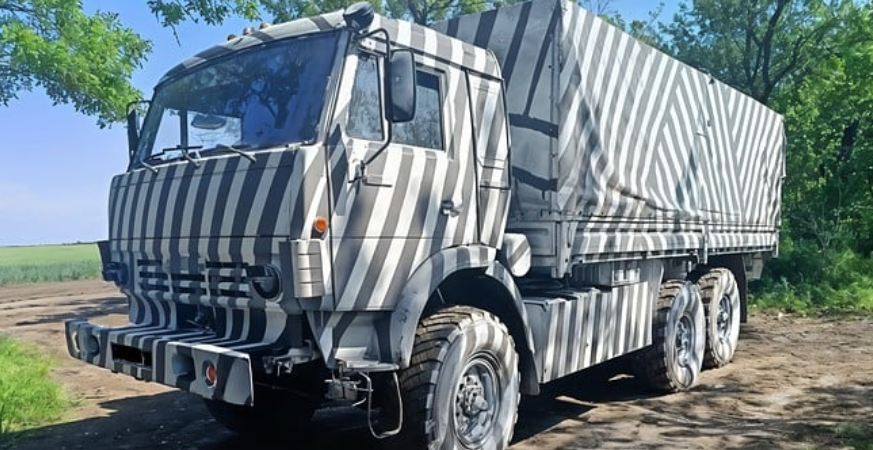
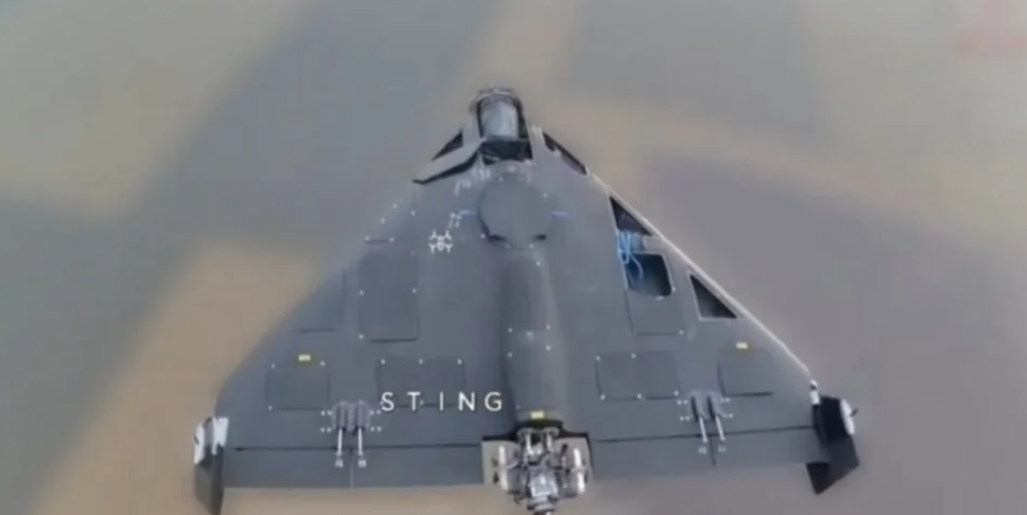
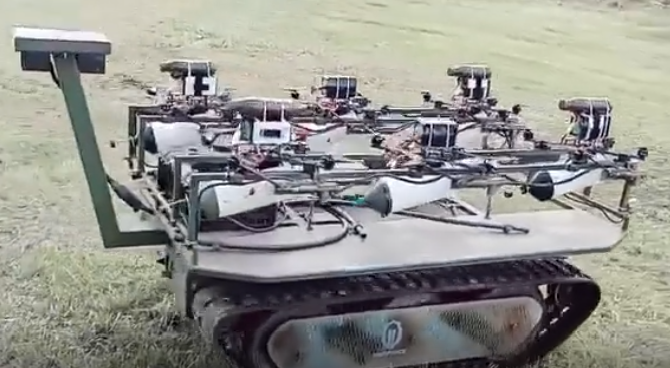
On June 1, 2025, Ukraine’s SBU launched what will likely be remembered as one of the most asymmetric air strikes of the decade. Not missiles. Not stealth bombers. Just quadcopters—launched from trucks, cheap, expendable, precise. Within hours, billions of euros’ worth of Russian strategic aviation sat damaged or destroyed.
Estimates vary. Ukraine claims over 40 aircraft hit. U.S. assessments are lower, but still staggering. Even the conservative numbers point to a devastating imbalance: airframes costing roughly €7 billion taken out by systems that barely cross €200,000 in total budget.
This was not just a strike. It was a message.
And Russia understood it almost immediately.
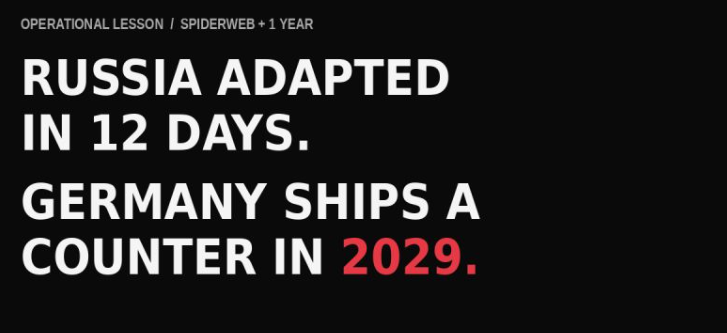
Within two weeks, strategic bombers were relocated thousands of kilometers away. Air missions stretched to extreme ranges—over 12,000 km and nearly 24 hours per sortie—just to maintain operational viability. It was messy. Expensive. Inefficient. But it was fast.
Adaptation, in wartime, runs on urgency—not bureaucracy.
Europe, meanwhile, operates on a different timeline.
Eight months after “Spiderweb,” Germany granted its military legal authority to shoot down drones over national territory. Eight months to solve a legal gap exposed in one night. Meanwhile, defence companies moved—Rheinmetall, Diehl Defence, Deutsche Telekom—announcing new counter-drone systems, collaborative shields, integrated solutions.
Announced.
Not deployed.
And then comes the hard contrast: timelines.
The Bundestag-approved DefendAir program, backed by hundreds of millions, will deliver systems at scale starting around 2029. Initial operational systems? Around 2030. A full half-decade after Spiderweb exposed the vulnerability.
This is not a capability gap. It’s a velocity gap.
Because here’s the uncomfortable truth: the technology to counter drone swarms largely exists. Sensors, interceptors, electronic warfare tools—they’re not science fiction. The Pentagon has already tested similar threat profiles in exercises like Operation Clear Horizon, replicating swarm-style attacks on U.S. bases.
The conclusion was sobering: the issue is not invention. It is integration.
The same problem is now confronting Europe.
Defence procurement cycles, designed for tanks, aircraft, and multi-decade platforms, are colliding with a reality where threats evolve in weeks. A commercial drone adapted for military use can be built, modified, and deployed faster than a procurement process can define requirements.
In this new landscape, cost curves don’t just favor the attacker—they humiliate the defender.
A €2,000 drone can destroy a €50 million aircraft. And even if the success rate is imperfect, the economics still work. Scale becomes the weapon. Attrition becomes strategy.
What does Europe do in response? Build better interceptors? Yes. But better interceptors arriving in 2029 answer threats from 2025—while adversaries are already iterating toward 2027.
The mismatch is not just technological. It is philosophical.
Europe still treats drone defence as a system problem. It is not. It is a tempo problem.
The real battlefield is speed of adaptation.
Legal frameworks lag behind operational necessity. Industrial production cycles lag behind threat iteration. Integration across agencies—military, telecom, cyber—lags behind the cross-domain nature of modern attacks.
Meanwhile, the attacker needs only one thing: a faster loop.
This is where the harshest question emerges—not about capability, but about mindset.
Can Europe accept a defence architecture that evolves continuously, not in procurement cycles but in deployment cycles? Can it field imperfect systems early, iterate in real conditions, and accept calculated risk?
Because the alternative is already visible.
A drone swarm does not wait for a committee decision. It does not wait for certification milestones. It does not care whether systems are “fully integrated.”
It simply arrives.
And when it does, the only thing that matters is not what was announced, approved, or budgeted—but what is already in place.
Spiderweb was not a one-off anomaly. It was a preview.
The next question is no longer whether such attacks will happen again.
It is whether Europe will still be preparing for the last one when they do.