Russia’s Kamikaze Drones Shahed Are Falling Apart — Ukrainian Interceptor Drones Win
They are meant to terrorize cities. Instead, some are now coming apart in the sky.
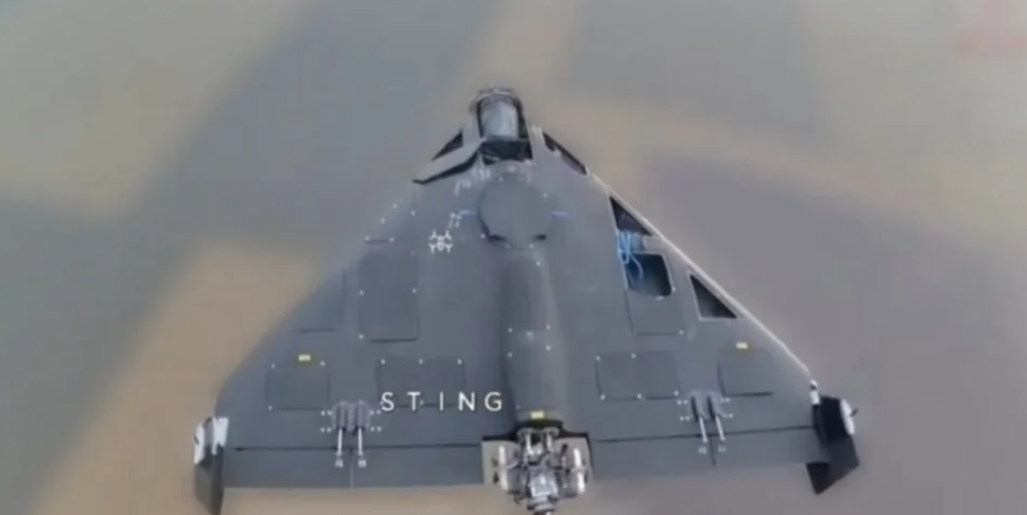
Recent combat footage released by Ukraine shows Russian‑made Geran‑2 drones—the domestic version of Iran’s Shahed‑136—arriving over Ukrainian territory already visibly damaged. Panels are missing. Wingtips appear bent. Nose fairings detach mid‑flight. In one stark clip, wiring is exposed as the drone limps forward before interception.
The message is unavoidable: Russia’s most-used long‑range attack drone is suffering a quiet collapse in manufacturing quality.
The footage, filmed from Ukrainian Sting interceptor drones, was published by the Wild Hornets unit and later analyzed by several independent defence outlets. Importantly, Ukrainian air‑defence operators say the damage is often present before interception begins. These drones are not being shot apart—they are breaking under their own tolerances.
A Weapon Built for Attrition
The Geran‑2 is designed as a low‑cost, expendable strike system. Delta‑winged, propeller‑driven, and slow, it relies on mass launches to saturate air defences rather than precision to guarantee hits. Russia has leaned heavily into that logic, launching tens of thousands since 2023.
But volume has a price.
The drones are produced primarily at the Alabuga Special Economic Zone in Tatarstan—now Russia’s central hub for Shahed‑type UAVs. Multiple investigations confirm the facility runs around the clock, prioritising output speed over quality assurance, with abbreviated pre‑flight checks and minimal tolerance margins.
Inside the Assembly Line
The most sensitive weakness may not be materials—but labour.
Reporting and even Russian state media footage indicate the factory relies on a workforce that includes teenagers and very young workers, some recruited through local colleges and others brought from abroad, many with limited technical training. The pressure to meet daily quotas appears relentless, leaving little room for inspection or rework.
At the same time, sanctions and supply constraints have pushed Russia to rely heavily on Chinese components, including engines and electronics assessed by analysts as inferior in durability to original Iranian specifications. Investigators have tracked millions of dollars in Chinese‑sourced parts flowing into Alabuga, enabling scale—but not consistently preserving quality.
The result is visible in the air: drones that rattle themselves apart under normal flight loads.
When Quantity Undermines Effectiveness
Aerodynamically, even small structural defects matter. A detached nose fairing disrupts airflow and guidance accuracy. Bent control surfaces compromise stability. Missing panels expose electronics to vibration and moisture. Each flaw reduces the probability that a drone reaches its target—let alone detonates effectively.
That matters operationally. Data reviewed by defence analysts shows a declining hit rate for Shahed‑type strikes since late 2025, even as launch volumes have increased. Ukraine’s growing interception capability is part of that story—but so is mechanical unreliability.
Two Drone Wars Inside One Program
Russia is attempting to compensate by developing more advanced variants. The Geran‑5, unveiled in early 2026, abandons the delta‑wing design entirely, using a Chinese turbojet and a cruise‑missile‑like airframe. Yet these upgrades coexist with a base production line where quality controls appear increasingly diluted.
In effect, Russia is now running two drone wars: one chasing technological improvement, the other flooding the battlefield with disposable systems that barely hold together.
The falling panels tell the story. A drone designed to be expendable still has to survive the trip.
Right now, many don’t.
.png)