The End of Supply Chains. How the U.S. Navy Is Learning to 3D Print and Deliver War on Demand
For more than a century, military logistics has followed a simple rule:
If something breaks, replacement parts must be delivered.
That principle shaped fleets, warehouses, supply ships and entire military doctrines. But at RIMPAC 2026, the world's largest naval exercise, the U.S. military demonstrated something potentially revolutionary.
What if the replacement part doesn't need to be delivered at all?
What if it can simply be printed?
And what if everything that still must be transported arrives via autonomous drones without a single human pilot involved?
Welcome to the future of military logistics.
While headlines remain focused on missiles, hypersonic weapons and autonomous combat systems, military planners increasingly understand a brutal truth:
Wars are often won by logistics long before they are won by firepower.
An army without supplies stops fighting.
A fleet without spare parts becomes useless.
A drone without batteries is just plastic.
Recognizing this, the U.S. Department of Defense used RIMPAC 2026 to conduct its largest-ever experiment combining advanced manufacturing and autonomous delivery systems.
And the implications stretch far beyond the Pacific.
Printing the Battlefield
One of the most remarkable achievements came aboard the USS Essex.
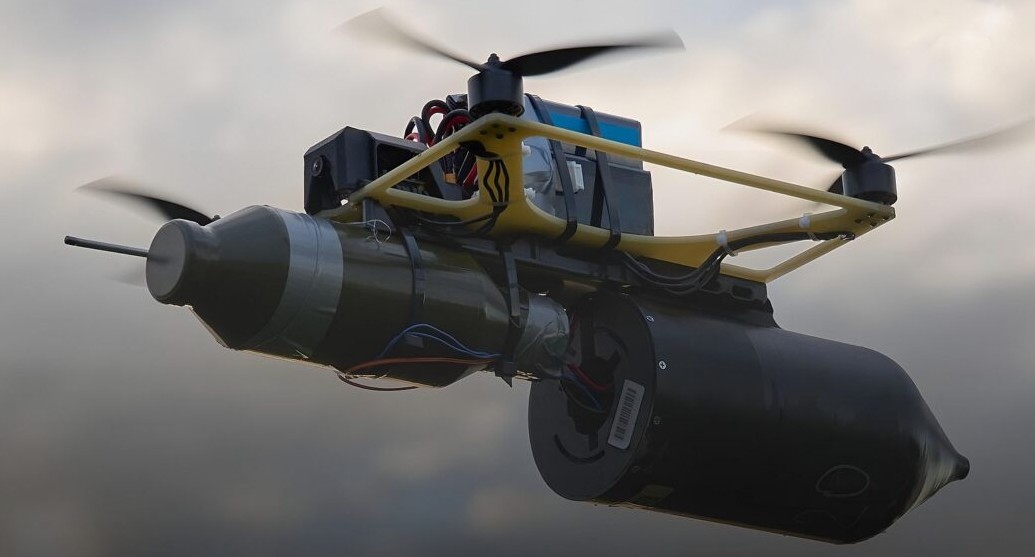
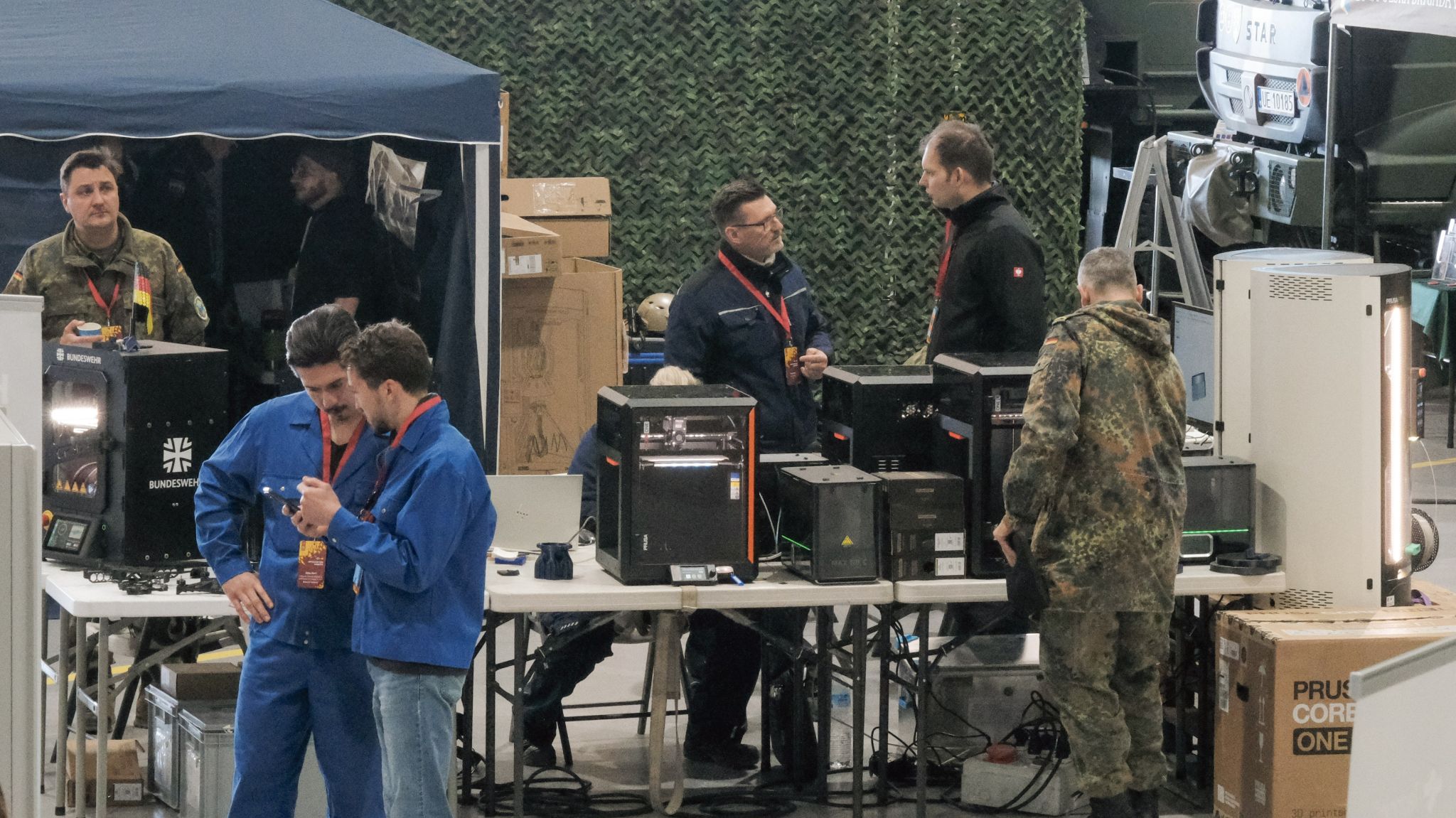
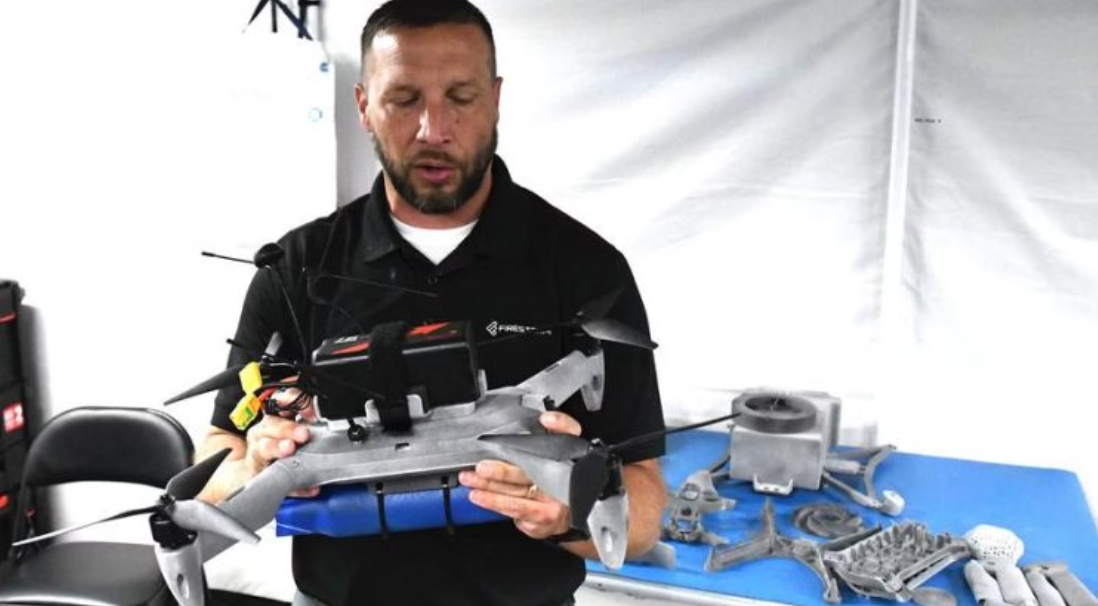
Firestorm Labs installed its containerized xCell manufacturing platform directly on the amphibious assault ship and pushed the concept to the limit.
The system reportedly produced more than 1,000 parts while the vessel operated at sea, including conditions with waves reaching up to 12 feet.
This may sound like a technical detail.
It isn't.
For decades, military resupply depended on a global network of factories, warehouses and transportation hubs. If a component failed during deployment, replacement could take days, weeks or even months.
3D printing changes that equation completely.
Instead of transporting parts, militaries can transport digital files.
Instead of waiting for deliveries, crews can manufacture what they need where they need it.
The result is a fundamental compression of time.
And in military operations, time is often the most valuable resource.
The Drone That Delivered Itself
Even more provocative was what happened on the water.
Splash Industries demonstrated autonomous maritime logistics using its Typhoon surface drone.
Unlike traditional unmanned systems that require active remote control, the platform reportedly completed delivery operations without a pilot.
The drone navigated independently to a moving warship, entered the vessel's intake area and completed its mission.
Meanwhile, another autonomous vessel traveled approximately 85 miles through rough nighttime seas to reach the USS Theodore Roosevelt.
No escort vessel.
No remote pilot continuously controlling it.
No crew onboard.
The significance extends beyond a single delivery.
For the first time, the military is testing logistics systems capable of operating continuously without exposing sailors, soldiers or support personnel to danger.
The Future Is Distributed
Modern warfare has transformed the logistics challenge.
In previous conflicts, supply routes could often be concentrated around major bases and ports.
Today's battlefields are different.
Drones can detect movement.
Satellites can track activity.
Precision weapons can strike targets hundreds of kilometers away.
Large logistics hubs increasingly represent attractive targets.
Military forces are therefore searching for new approaches based on decentralization, flexibility and resilience.
3D printing and autonomous delivery address exactly that problem.
Small units can receive support without relying on large infrastructure.
Ships can manufacture components independently.
Supply networks become harder to disrupt.
The logistics system itself becomes more survivable.
What Ukraine Already Understands
The lessons emerging from RIMPAC mirror realities already visible in modern conflicts.
Battlefield adaptation is occurring at extraordinary speed.
The ability to quickly repair equipment, replace damaged components and maintain operational tempo increasingly determines success.
Technology that shortens the distance between problem and solution creates enormous advantages.
The military that can manufacture, modify and deliver faster gains more than efficiency.
It gains operational freedom.
The Real Revolution Isn't the Printer
Many observers will focus on the machines.
The printers.
The drones.
The software.
But the true transformation is conceptual.
The Pentagon is beginning to treat logistics as a network rather than a chain.
Chains can be broken.
Networks adapt.
A future carrier strike group may carry digital inventories instead of physical inventories.
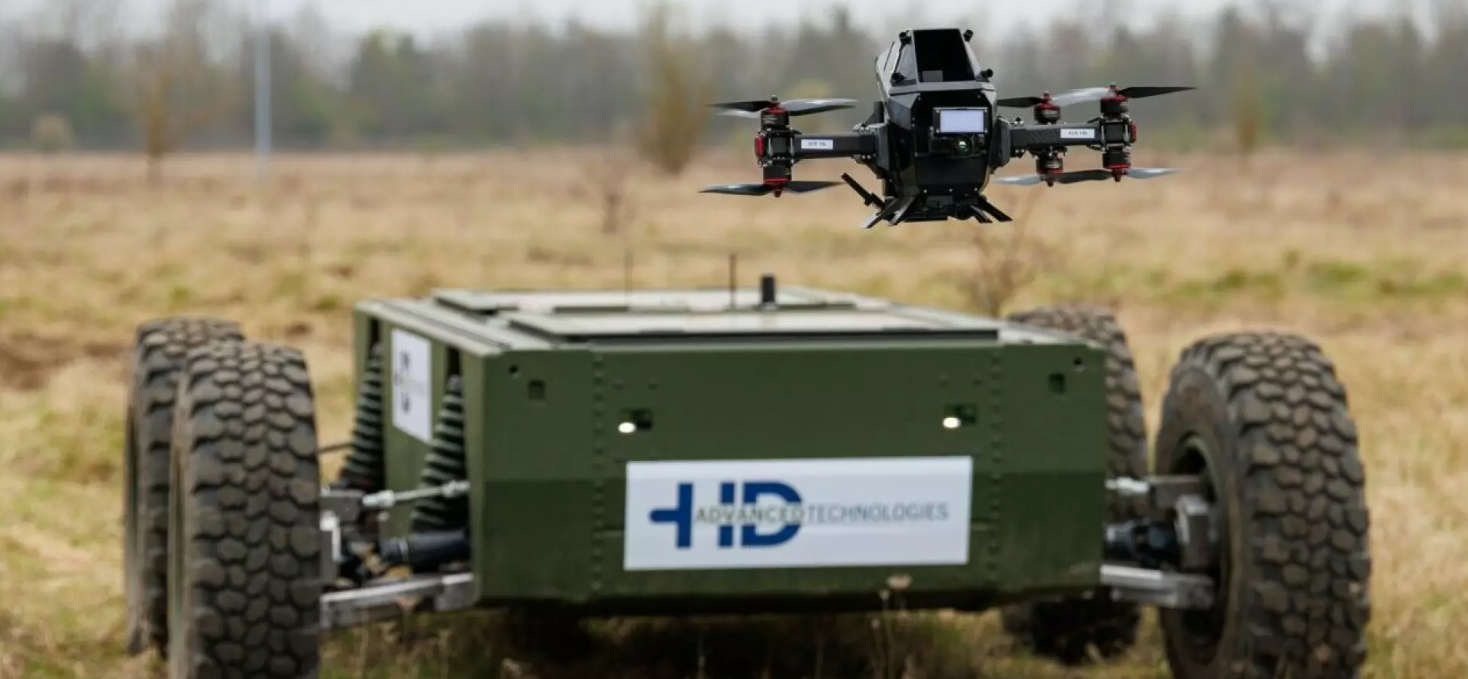
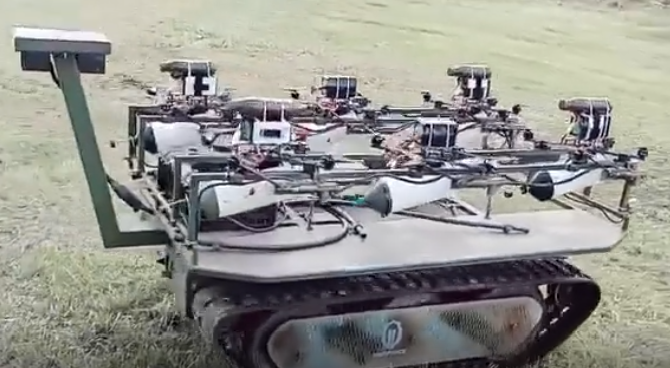
Autonomous drones may continuously shuttle supplies between distributed forces.
Critical components may be produced minutes after a request is submitted.
This isn't just a technology upgrade.
It's a redefinition of military sustainment.
For generations, logistics meant moving things.
At RIMPAC 2026, the U.S. military demonstrated a future where logistics increasingly means creating things exactly when and where they are needed.
The battlefield of tomorrow may not wait for supply chains.
It may simply print its own solutions.