KVN-35 “Prinz Vandal” - The Russian Drone That Makes Electronic Warfare Obsolete
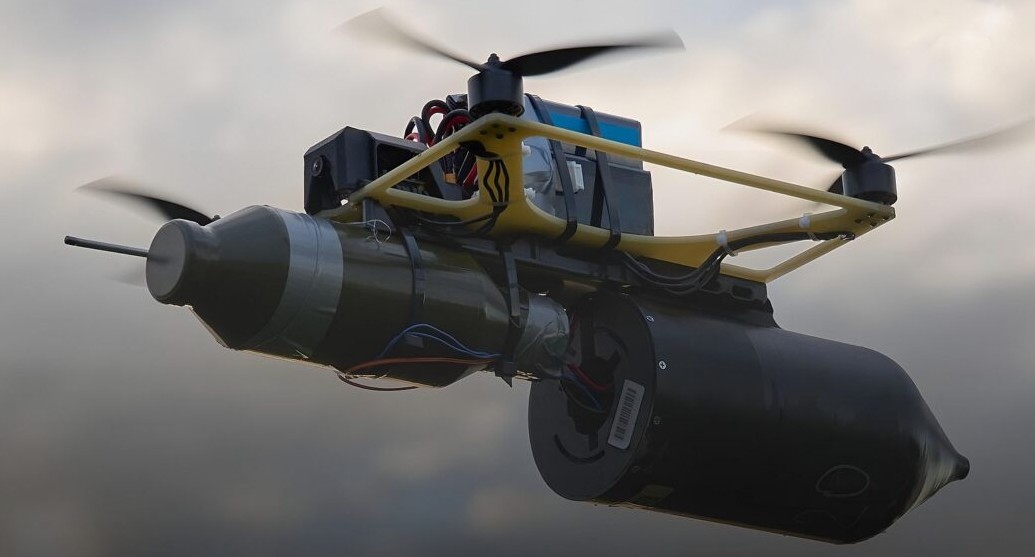
This forces a strategic rethink.
If drones can no longer be reliably jammed, the battlefield becomes significantly more unpredictable. Defensive systems that relied on electronic suppression must now adapt to physical interception, camouflage, or preemptive strikes.
At the same time, the nature of drone deployment is evolving.
Fiber-optic FPV drones enable a different kind of warfare — slower, more deliberate, and often more deceptive. They can be positioned in advance, lying in wait for extended periods without the risk of losing connection. Ambush tactics become more viable. Precision targeting becomes more reliable.
And range is no longer a limiting factor.
To put this into perspective, the reach of the KVN-35 exceeds the maximum firing range of systems like the M-109A5Ö, a 28-ton artillery platform operated by a full crew. In contrast, the drone is portable, remotely controlled, and significantly harder to detect.
This inversion of scale is critical.
Where traditional systems rely on mass, infrastructure, and coordination, the KVN-35 operates with minimal footprint and maximum precision. It shifts the balance from heavy machinery to distributed, networked assets.
However, this evolution comes with trade-offs.
The physical tether, while providing immunity to jamming, imposes limitations. It constrains maneuverability, introduces logistical considerations, and may limit deployment in complex terrains. Yet, these constraints appear to be outweighed by the strategic advantages in contested electromagnetic environments.
The broader implication is clear: the era of uncontested electronic warfare dominance is ending.
Systems like the KVN-35 are not just tools — they are signals of a changing battlefield logic. One where resilience is achieved not through stronger signals, but through the absence of signals altogether.
And that may be the most disruptive shift of all.


.png)