Starlink’s New Gatekeeper. The Decision Has Moved From Silicon Valley to the White House

For three years, one man sat at the center of one of the most consequential military technology debates of the 21st century.
His name was Elon Musk.
Every discussion about Ukraine's military use of Starlink eventually led back to the world's richest entrepreneur. Could Ukrainian forces use Starlink-equipped systems beyond their borders? Could the satellite network support operations inside Russia? Would Musk approve, restrict, or deactivate capabilities that might be perceived as escalating the conflict?
Now, that equation may be changing.
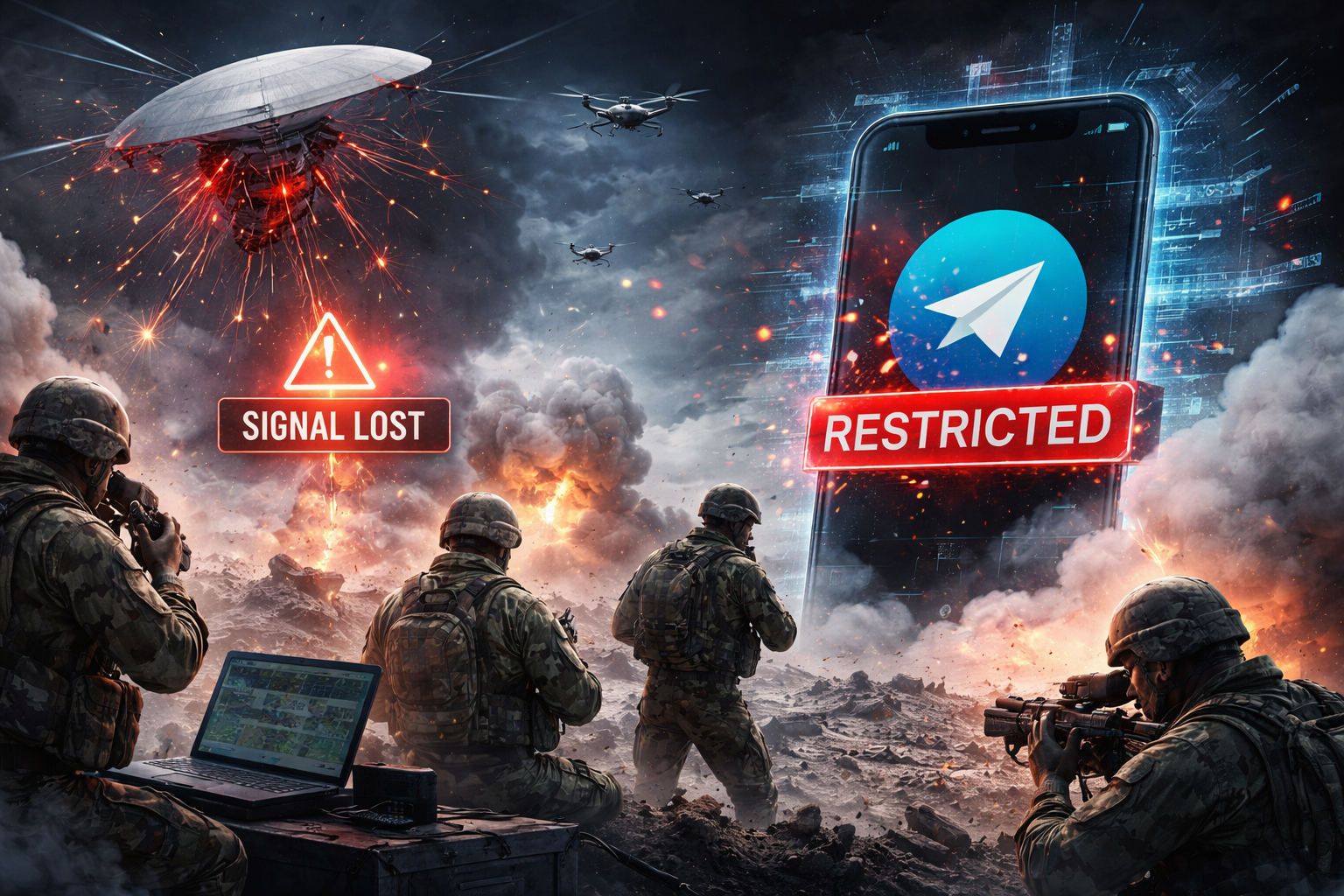
According to reporting by the Financial Times, former Ukrainian Defense Minister Mykhailo Fedorov says Elon Musk has indicated a willingness to allow Starlink-equipped Ukrainian drones to operate beyond Ukrainian territory. The crucial caveat is that Musk reportedly considers such authorization a political decision that must come from the White House.
If true, this is more than a technical adjustment.
It is a transfer of responsibility.
The red line may no longer be drawn in Silicon Valley.
It may now be drawn in Washington.
When Infrastructure Becomes Strategy
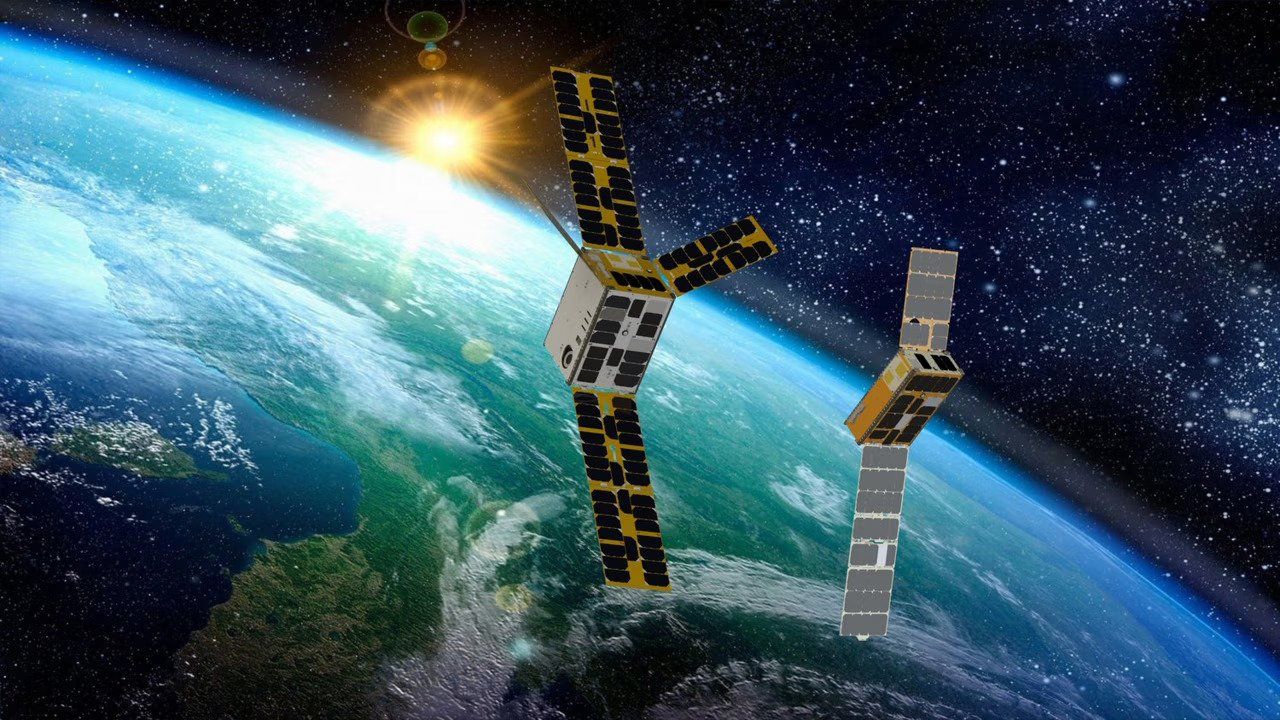
Starlink has never been just another commercial satellite network.
Its significance became apparent almost immediately after Russia's invasion of Ukraine. The system provided resilient communications when traditional networks were disrupted, damaged, or targeted.
But over time, Starlink evolved into something even more important.
It became part of the battlefield itself.
Modern drone warfare depends on connectivity, navigation, data transmission, and command-and-control networks. A drone without reliable communications is often little more than an expensive projectile.
The weapon may carry the explosive charge.
The network determines whether the weapon reaches its target.
This distinction is critical.
When military analysts discuss the future of warfare, they often focus on missiles, drones, aircraft, or autonomous systems. Yet communications infrastructure may be equally important.
A disconnected drone is ineffective.
A connected drone changes strategy.
The Hunt for Missile Launchers
The reported Ukrainian request highlights why this issue matters so much.
Ukraine is reportedly seeking permission to employ Starlink-enabled systems against mobile ballistic missile launchers operating inside Russian territory.
From Kyiv's perspective, the logic is straightforward.
Intercepting ballistic missiles after launch is enormously expensive. Patriot interceptor missiles remain scarce, global production is limited, and stockpiles are under increasing pressure.
Destroying launchers before they fire changes the equation entirely.
Every launcher destroyed on the ground is a missile that never reaches Ukrainian airspace.
Every missile never launched represents infrastructure preserved, civilians protected, and scarce defensive resources saved.
This is the military argument driving the request.
The political argument is considerably more complex.
The End of Corporate Neutrality
For years, policymakers have struggled with an unprecedented dilemma.
How much influence should private technology companies possess during wartime?
No previous conflict has depended so heavily on privately owned digital infrastructure.
SpaceX operates the satellites.
Governments conduct the war.
The overlap creates uncomfortable questions.
Should a private CEO possess veto authority over military operations by sovereign nations?
Should commercial providers be responsible for escalation management?
Should companies determine where military communications function and where they do not?
The Starlink debate revealed how difficult those questions are to answer.
If Musk is indeed transferring the decision to the U.S. government, it may signal recognition that such judgments ultimately belong to elected leaders rather than technology executives.
That would represent a profound institutional shift.
The White House Inherits the Decision
If the decision has moved to Washington, the challenge becomes even harder.
Technical feasibility is no longer the central issue.
Political risk is.
Approving the use of Starlink-connected systems against targets deep inside Russian territory would inevitably be viewed through a geopolitical lens. Any such authorization would require policymakers to balance military necessity against concerns about escalation.
The White House would need to consider not merely what Ukraine can do, but what Moscow might do in response.
This explains why the issue remains unresolved.
The debate is no longer about satellites.
It is about strategy.
The Future of Military Space
Perhaps the most important lesson from this episode extends beyond Ukraine.
Military power is increasingly dependent on commercial infrastructure.
Satellites, cloud computing, artificial intelligence platforms, communications networks, and autonomous systems are no longer peripheral technologies. They are becoming core components of military effectiveness.
The distinction between civilian and military infrastructure is rapidly eroding.
Starlink represents the clearest example of that transformation.
A commercial network originally designed to provide internet access has become one of the most strategically significant assets in modern warfare.
The implications will be studied by military planners worldwide.
Because future conflicts may not be determined solely by who possesses the best missiles or the largest armies.
They may be determined by who controls the networks connecting them.
And that is why this moment matters.
The debate was never really about Elon Musk.
It was about who gets to decide where digital power ends and military power begins.
That question now appears to be arriving at the doorstep of the White House.