ConnectedCosmos - Europe’s Answer to Starlink and the Battle for Orbital Sovereignty
For more than a decade, space connectivity has been quietly transforming from a niche telecom solution into a core layer of geopolitical infrastructure. When SpaceX launched Starlink, it was initially perceived as a commercial internet constellation. Today it is clear that satellite connectivity is not only about broadband — it is about power.
Now a European challenger is stepping onto the stage.
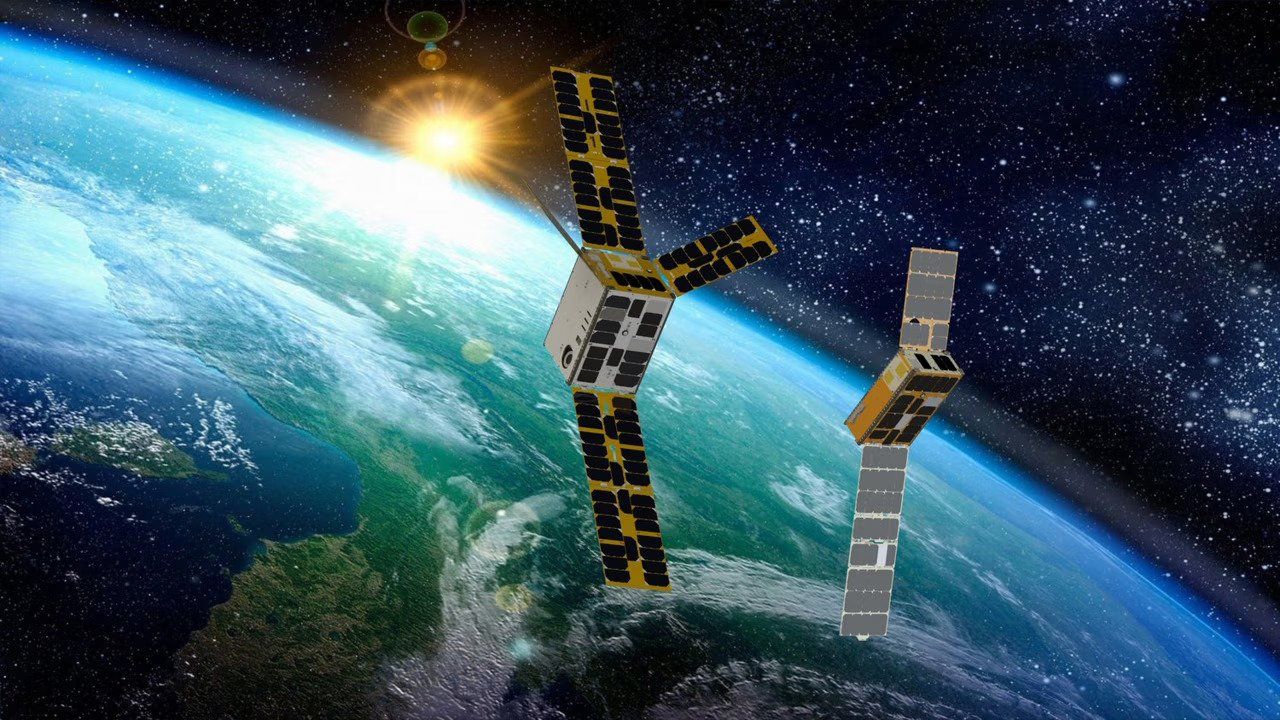
Open Cosmos, a UK-based satellite company founded by Rafel Jorda Siquier, is preparing to launch a new satellite network called ConnectedCosmos. The project aims to build a sovereign European satellite connectivity system capable of serving governments, defence institutions, and commercial users across the continent.
The plan is ambitious. The company intends to launch around 200 satellites per year, gradually building a large constellation designed to provide reliable communication services across Europe and beyond.
This development is not happening in a vacuum. It is the result of a strategic shift in how European governments view critical infrastructure.
The Starlink wake-up call
In 2022, during Ukraine’s attempt to retake territory from Russian forces, reports emerged that Starlink connectivity had been restricted in certain operational zones. Regardless of the exact circumstances, the moment triggered a powerful realization in European political and security circles.
A private company — controlled by a single individual — had the ability to influence access to critical communications infrastructure during an active military conflict.
That realization changed the conversation.
Satellite connectivity suddenly looked less like a convenience and more like a strategic dependency.
European policymakers began asking uncomfortable questions:
- Should a continent rely on a foreign commercial network for critical communications?
- What happens if political or corporate interests shift?
- Who ultimately controls the digital infrastructure of the future battlefield and global economy?
ConnectedCosmos is emerging as part of Europe’s answer to those questions.
Sovereignty in orbit
The concept behind ConnectedCosmos is straightforward: create a European-controlled satellite network capable of providing secure communications services to governments, defence agencies, and companies operating in critical sectors.
Unlike some mega-constellation approaches focused primarily on consumer broadband, Open Cosmos appears to be targeting high-value strategic connectivity markets.
These include:
- Government communication systems
- Defence and security networks
- Critical infrastructure monitoring
- Industrial IoT and remote operations
- Emergency and disaster response connectivity
Europe already has strong space capabilities through institutions like ESA and through national space agencies. However, large-scale commercial satellite networks have largely been dominated by US companies.
ConnectedCosmos represents an attempt to close that gap.
A new generation of space startups
The rise of companies like Open Cosmos reflects a broader trend: space is no longer only the domain of national agencies and aerospace giants.
A new generation of startups is entering the sector with faster development cycles, modular satellite platforms, and venture-backed capital structures.
Open Cosmos has already raised over $60 million in funding and secured contracts worth tens of millions more, signaling growing confidence from both investors and institutional customers.
While these numbers are small compared with SpaceX’s massive funding and infrastructure, they demonstrate that the European space startup ecosystem is beginning to scale.
And scale is exactly what satellite constellations require.
The strategic technology race
What makes the ConnectedCosmos project particularly interesting is that it sits at the intersection of several major technological shifts:
- Space infrastructure
- Sovereign technology ecosystems
- Defence and security digitization
- Global connectivity networks
In many ways, satellite constellations are becoming the new backbone of digital infrastructure, similar to how undersea cables shaped global communications in previous decades.
Control over that infrastructure will define not just connectivity markets but also political and economic leverage.
Early days — but an important signal
ConnectedCosmos is still in its early stages. Building and operating a satellite constellation is one of the most capital-intensive and technically demanding ventures in modern technology.
But the significance of the project goes beyond the satellites themselves.
It signals that Europe is beginning to take orbital infrastructure seriously — and that startups may play a key role in building the continent’s technological independence.
Whether ConnectedCosmos ultimately succeeds or not, the message is clear:
The race for space-based connectivity is no longer just about internet access.
It is about sovereignty in orbit.