US drones dependent on Starlink, Ukraine seeks its own path

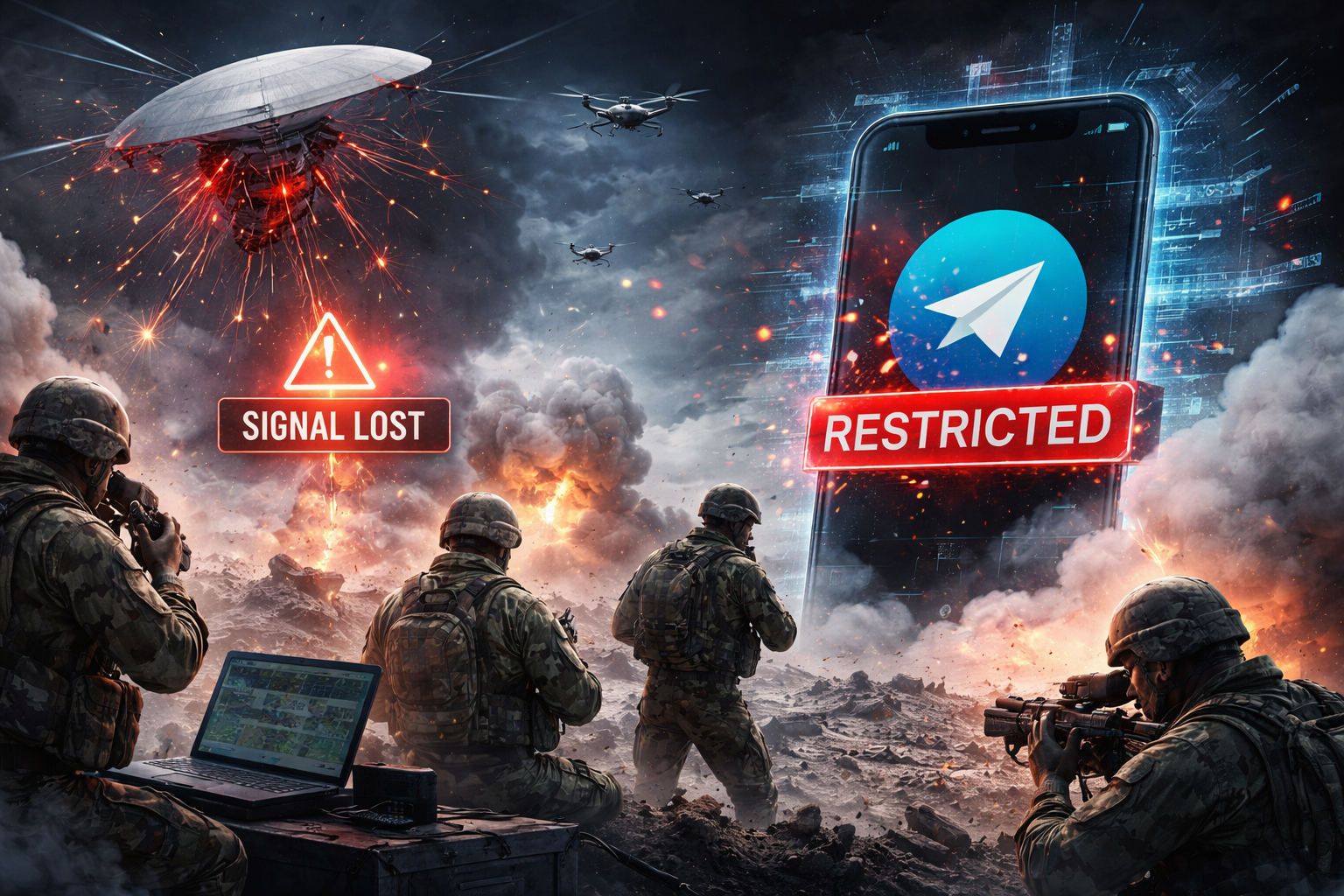
The future of warfare is supposed to look like swarms—cheap drones, autonomous boats, distributed sensors, machine speed. Last August, the U.S. Navy got a simpler preview: silence.
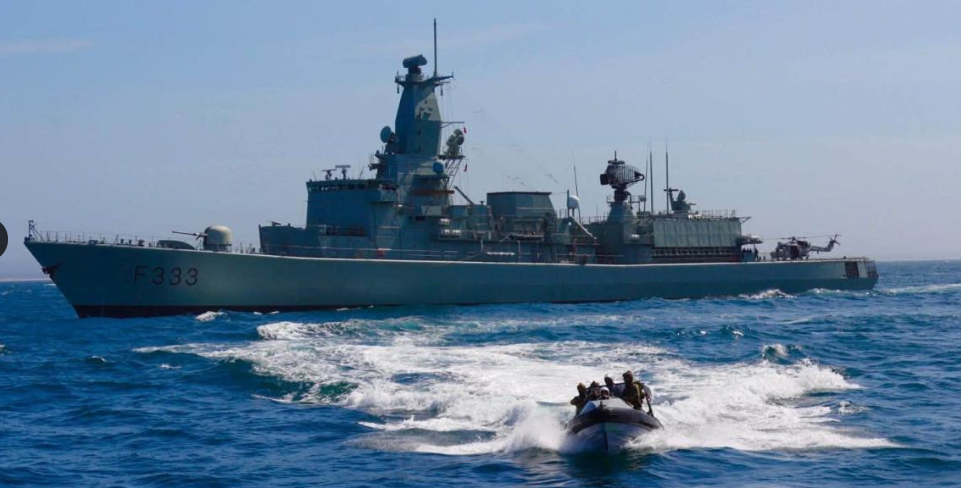
During unmanned vessel testing off the California coast, a Starlink outage severed communications to about two dozen unmanned surface vessels. They drifted for almost an hour while operators scrambled, operations halted, and a hard truth surfaced in real time: the most sophisticated autonomous systems in the sea can still be defeated by an internet outage in space.
Reuters, citing internal Navy documents, describes that incident as one of several test disruptions tied to Starlink connectivity. In other words, this wasn’t just a fluke—it was a structural warning. Starlink can be global, fast, and affordable, but it is also a single vendor, a single architecture, and—when military systems are built around it—a single point of failure.
The paper trail is even more unsettling. Navy safety reporting noted that under heavy load—multiple vehicles operating simultaneously—Starlink struggled with performance limitations. Other communications gear also showed cracks, with reported issues involving Silvus radio modules and a Viasat network. That is what “multi‑path resilience” looks like on slides; in the field, it can look like cascading failure.
Starlink outages aren’t theoretical. Reuters reported Starlink service returning after a brief U.S. outage on August 18, 2025, based on Downdetector tracking. “Brief” is fine for streaming video. For military command links, “brief” can mean lost assets—or worse.
The deeper issue is not whether Starlink is “good” or “bad.” It’s what happens when critical defense capabilities are welded to commercial infrastructure that was not designed to be a sovereign utility. Reuters notes Starlink’s scale—close to 10,000 satellites in low‑Earth orbit—helps provide robust coverage and resilience against some disruptions. But scale doesn’t erase governance questions: who controls access, prioritization, restrictions, and rules of use in a crisis?
Ukraine has been living inside that dilemma for years. Ukrainian MP Fedir Venislavskyi has argued that dependence on leased satellites or partner‑provided intelligence “carries certain risks,” pointing to instances when intelligence sharing was paused and when Starlink operation was temporarily restricted—disrupting coordination. His proposed remedy is blunt and logical: build domestic space capability, starting with telecommunications satellites to secure command communications.
And Kyiv’s ambition is no longer abstract. Venislavskyi described Ukraine conducting air‑launched rocket tests from roughly 8,000 meters altitude, crossing the Kármán line and reaching far higher in a second launch—framing it as a step toward an “air spaceport” concept and a future constellation for surveillance and communications. He added Ukraine aims for an initial network of about seven to ten satellites.
Europe, too, is moving—slowly, institutionally, inevitably. The EU’s IRIS² secure connectivity program is designed to deliver secure government connectivity and broader services through a multi‑orbit system, explicitly tying connectivity to resilience and strategic autonomy. A European Commission press release describes the next steps to deploy the system via a public‑private partnership model.
Put the pieces together and a provocative thesis emerges: modern militaries are building drone forces that depend on civilian‑style connectivity, while states are discovering that “connectivity” is now a weapons dependency.
The next phase of deterrence won’t just be about missiles and tanks. It will be about redundancy, multi‑vendor satcom architectures, and sovereign control of orbital infrastructure. Because the most dangerous moment in a drone war may not be when the drone is launched—but when the network blinks.