Germany Plans Expanded Measures Against Drone, Cyber, and Infrastructure Threats

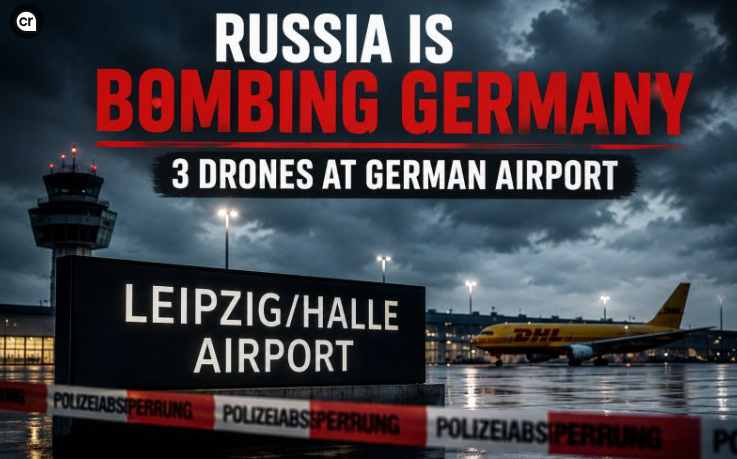
Berlin, September 2026 – Germany is preparing a broader set of security measures following what authorities described as a failed explosive drone attack targeting Leipzig/Halle Airport. According to statements attributed to Federal Interior Minister Alexander Dobrindt, the government is seeking to strengthen the country’s ability to respond to emerging security risks, including drone attacks, cyber incidents, and acts of sabotage against critical infrastructure.
The proposed measures come amid growing concerns about what German authorities characterize as hybrid threats. These are said to include the use of drones, cyberattacks, espionage activities, and attempts to disrupt transportation and infrastructure networks. Officials argue that such threats require a combination of technological, legal, and operational responses.
One of the central elements of the proposed plan is the expansion of the Federal Police’s mobile drone defense capability. New rapidly deployable units would reportedly be positioned in strategically important locations across Germany, including Frankfurt, Munich, Hamburg, Berlin, Stuttgart, Düsseldorf, Leipzig, Hanover, and Cologne.
The objective of these units would be to improve the protection of critical transportation hubs and government facilities. Airports, railway stations, and other key infrastructure sites are expected to be among the priority areas. The units would not only focus on detecting and intercepting unauthorized drones but would also support efforts to neutralize potential explosive devices carried by unmanned aerial systems.
Another significant aspect of the proposal concerns the role of private operators of critical infrastructure. Under the reported plans, organizations such as water utilities, electricity providers, and defense-related industrial facilities could receive expanded legal authority to respond to drone-related threats.
Currently, the ability to actively counter drones is generally limited to authorized government agencies. The new approach would potentially allow critical infrastructure operators to take a more proactive role in protecting their facilities. Supporters of the measure argue that faster local response capabilities could reduce risks and improve resilience against emerging threats.
Technology is also expected to play a larger role in Germany’s security strategy. Authorities are considering greater use of artificial intelligence, biometric identification technologies, and advanced video analytics systems. These capabilities could be deployed in locations such as railway stations and major transport hubs.
According to the proposal, AI-supported systems could assist security personnel by automatically identifying potential weapons or detecting behavior considered suspicious. Advocates believe such technologies may help improve situational awareness and accelerate the identification of potential threats. However, the use of AI and biometric surveillance is likely to remain a subject of public debate regarding privacy, legal oversight, and data protection.
Cybersecurity represents another major pillar of the planned strategy. Germany reportedly experiences a high volume of cyberattack attempts targeting both public institutions and private-sector organizations. In response, officials are discussing the creation of a national cyber defense network referred to as a “Cyberdome.”
The concept involves a dense network of digital sensors designed to identify and respond to cyber threats more quickly. By monitoring attack patterns and sharing threat information, the system aims to strengthen national cyber resilience and improve coordinated responses to cyber incidents across different sectors.
The proposals follow increasing public discussion about security challenges facing European countries and the need to protect critical infrastructure against a broad range of threats. German authorities have emphasized that modern security risks often combine physical and digital methods, requiring integrated defense strategies rather than isolated responses.
While the reported measures are still subject to political and legal processes, they signal a continued focus on strengthening Germany’s capabilities in drone defense, cybersecurity, infrastructure protection, and law enforcement technology. As discussions continue, policymakers will likely balance security objectives with legal safeguards, privacy considerations, and the practical implementation of new technologies.