Europe’s Next Battlefield Is Virtual: Inside the Defence Simulations Shaping Tomorrow’s Wars

The next great military revolution may not start with a new fighter jet, missile, or tank.
It may begin inside a computer.
Across Europe, a quiet transformation is underway. While public attention focuses on weapons systems and defence budgets, a growing network of scientists, military planners, engineers, AI experts, and technology companies is shaping something potentially more important: the digital environments where future conflicts will be designed, tested, and won before a single shot is fired.
At the center of this effort stands the European Defence Agency's CapTech Simulation Technologies initiative.
Its mission sounds technical. Its implications are strategic.
The group brings together defence ministries, industry leaders, innovators, start-ups, researchers, and academic institutions to develop the simulation technologies that could define European military capabilities for decades to come.
Because modern warfare is becoming increasingly digital long before it becomes physical.
Today's military commanders must prepare for operations across land, air, sea, space, and cyberspace simultaneously. Traditional planning methods can no longer cope with this complexity. The answer lies in advanced modelling, simulation, artificial intelligence, digital twins, autonomous systems, and synthetic environments capable of recreating entire battle spaces.
Think of it as creating a parallel digital universe where military decisions can be tested before they happen in reality.
And the stakes could not be higher.
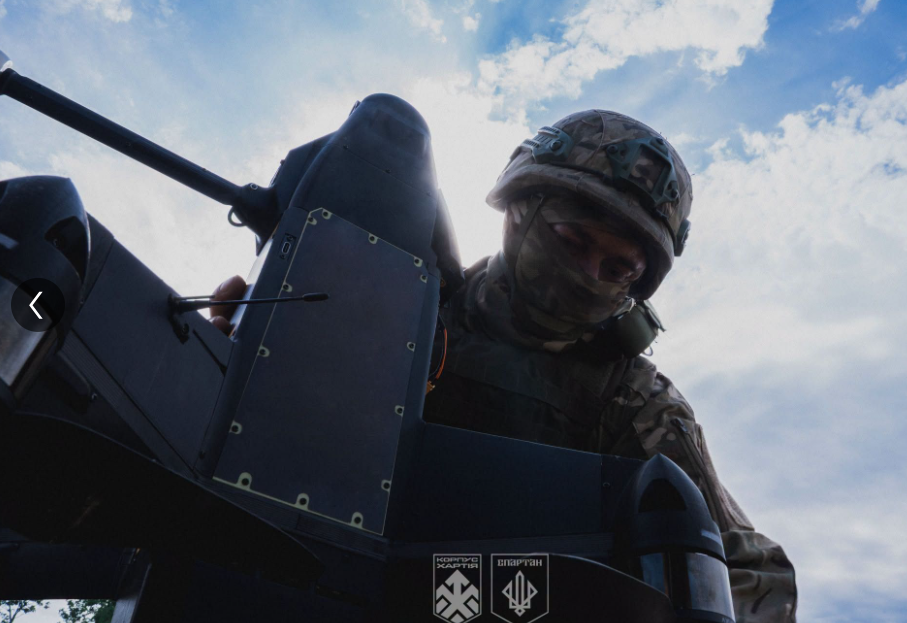
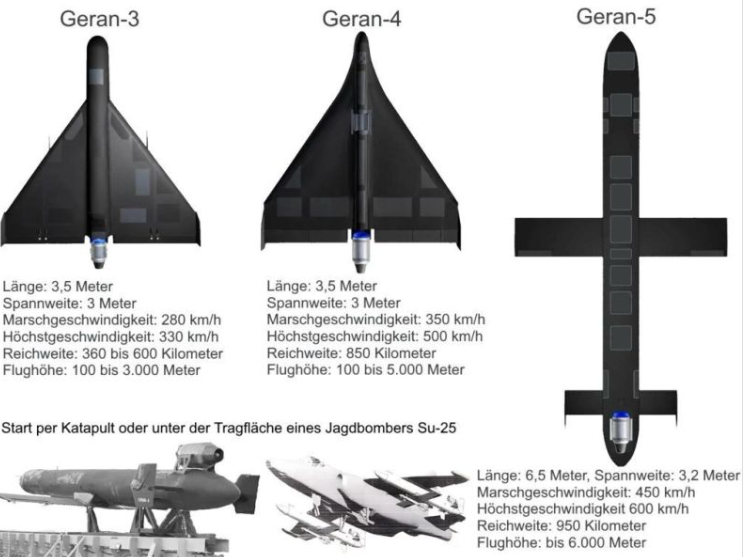
The war in Ukraine has demonstrated how quickly battlefields evolve. Drones are redesigned within weeks. Electronic warfare tactics change constantly. AI-assisted targeting and autonomous systems are becoming increasingly influential.
Military organizations can no longer afford development cycles measured in decades.
They need the ability to experiment, learn, adapt, and predict at digital speed.
That is where simulation becomes a strategic weapon.
One of the most intriguing areas receiving attention is digital twinning. By creating highly accurate virtual replicas of military systems, infrastructure, and operational environments, decision-makers can evaluate scenarios, predict failures, and optimize missions before deployment.
The military version of "test before you build" may save billions in procurement costs and potentially thousands of lives.
Artificial intelligence is accelerating this transformation even further.
Future simulation environments will not simply recreate situations. They will generate entirely new ones. AI-driven systems can create adaptive opponents, dynamic operational conditions, and realistic battlefield reactions that continuously evolve based on participant decisions.
Training no longer becomes repetition.
It becomes intelligent confrontation.
The implications extend beyond humans.
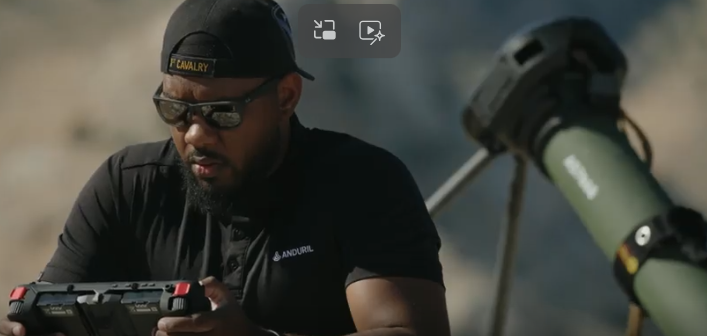
Europe is investing heavily in simulations for drone swarms, autonomous agents, and manned-unmanned teaming. Future conflicts may involve hundreds or thousands of autonomous systems operating simultaneously across multiple domains.
Understanding how these systems behave, collaborate, and adapt before they are deployed may become one of the defining military advantages of the century.
Even quantum technologies are entering the equation.
Quantum simulation promises breakthroughs in optimization, logistics, communications, and high-fidelity modelling. What today requires enormous computing power may eventually be solved with unprecedented speed and accuracy.
The result is a fundamental shift in how military power is developed.
Historically, nations gained advantages through industrial capacity. Later, technological superiority became the decisive factor.
Tomorrow, cognitive superiority may matter most.
The ability to generate better scenarios, predict outcomes faster, and make superior decisions before a crisis unfolds could become the ultimate force multiplier.
This is why simulation technologies are no longer supporting tools.
They are becoming strategic infrastructure.
The most powerful military advantage in the future may not be the ability to strike harder.
It may be the ability to think faster.
And that changes everything.
Europe's defence competition is increasingly moving into virtual spaces where AI, digital twins, cyber defence, immersive technologies, and autonomous systems converge. The winners may be those who master synthetic environments long before they master real-world battlefields.
The future of war is still being written.
Increasingly, it is being written in code.