#FrontlineStoriesUkraine / 3,000 Drones Downed. The Real Story of Ukraine's 3rd Operational Brigade "Spartan"
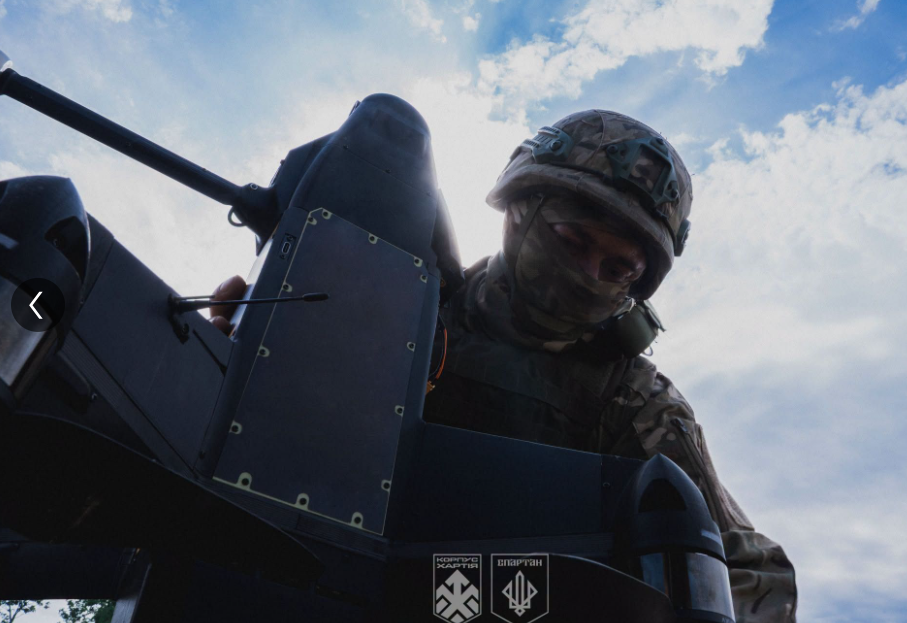
Three thousand.
That is the number Ukraine's 3rd Operational Brigade "Spartan" says its interceptor-drone crews have achieved since the beginning of the year in the Pokrovsk sector.
According to the brigade's own assessment, their operators have destroyed nearly 3,000 Russian UAVs, including Molniya strike drones, Lancet loitering munitions and Supercam reconnaissance platforms.
The figure cannot be independently verified from public information.
But perhaps the most important number in the story isn't 3,000.
It's zero.
Because the most significant development may be that, within at least one Ukrainian brigade, there is now virtually zero distinction between drone warfare and air defense.
That line is disappearing.
Fast.
The Air Defender With No Missile
For decades, air defense followed a familiar formula.
A radar detects.
A missile launches.
A target falls.
A soldier operating an air-defense system could reasonably expect that his primary weapon would be a missile, a cannon, or a machine gun.
Today, that assumption is becoming obsolete.
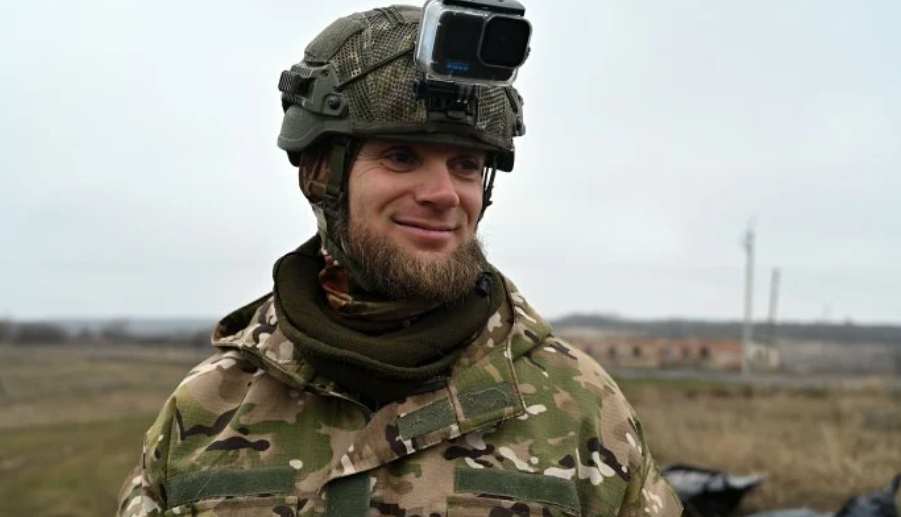
One of Spartan's interceptor operators, known by the callsign "Student," reportedly began his military career as a MANPADS gunner. He was trained to attack aerial threats using traditional air-defense weapons.
Then the battlefield changed.
Now he flies FPV interceptor drones against aerial targets.
Think about what that means.
The anti-aircraft soldier has not disappeared.
The weapon has.
Or rather, it has evolved.
The same mission remains.
Protect the force. Deny the enemy the sky.
The tool is different.
Instead of launching a missile into the air, the defender launches another drone.
The hunter and the hunted now share the same technology.
The Economics of the New Sky
Traditional air defense was designed to counter aircraft whose value justified expensive defensive systems.
Modern drone warfare shattered that equation.
No military wants to fire a high-cost missile at a comparatively low-cost drone.
That is economically unsustainable.
The rise of interceptor drones represents an attempt to solve this problem.
Instead of responding to cheap aerial threats with expensive systems, defenders deploy an equally agile and comparatively low-cost aerial hunter.
The result is a new kind of aerial combat.
Not fighter versus fighter.
Not missile versus aircraft.
Drone versus drone.
Pilot versus pilot.
Algorithm versus algorithm.
The sky is becoming crowded with machines hunting machines.
Twenty Missions a Day
One Spartan operator says his crew sometimes flies up to twenty interceptor sorties in a single day, depending on Russian activity.
That tempo matters.
Historically, air-defense engagements were often relatively infrequent, highly controlled events.
Drone warfare has changed the rhythm.
Operators are no longer conducting occasional intercepts.
They are managing continuous aerial traffic.
The workload increasingly resembles air-traffic control combined with combat aviation.
This is not a supporting capability operating on the sidelines.
It is becoming a permanent feature of battlefield operations.
Twenty missions a day is not experimentation.
It is industrialized defense.
The Next Evolution Has Already Started
Perhaps the most revealing detail is that Spartan's personnel are reportedly training on fixed-wing interceptor drones because Russian UAVs are flying higher and farther than FPV platforms can effectively reach.
That adaptation tells us something important.
The innovation cycle is accelerating.
Every solution immediately creates a new problem.
A drone appears.
An interceptor follows.
The drone flies higher.
A new interceptor is developed.
The battlefield evolves.
The countermeasure evolves.
Then the cycle repeats.
Months become weeks.
Weeks become days.
And increasingly, innovation is occurring at brigade level rather than inside distant procurement offices.
From Experiment to Institution
For years, drones were treated as an extraordinary capability.
Something innovative.
Something separate.
Something new.
That phase is ending.
The most fascinating aspect of the Spartan example is not the claimed number of drone kills.
It is the organizational transformation behind them.
An anti-aircraft missile-and-artillery battalion is not merely cooperating with drone operators.
It is absorbing them.
Training them.
Integrating them.
Building doctrine around them.
Changing itself because of them.
That is what real military innovation looks like.
Not a flashy demonstration.
Not a viral video.
Not a prototype.
An institution changing its DNA.
The Future Arrived Quietly
Military revolutions are often recognized only after they have already happened.
The tank was initially dismissed.
So was military aviation.
So was the machine gun.
Interceptor drones may follow the same path.
The future battlefield may not remember the distinction between aviation, air defense, electronic warfare and drone operations.
Those categories may merge into a single ecosystem.
Spartan offers a glimpse of that future.
A future where air-defense soldiers launch drones instead of missiles.
Where aerial combat happens hundreds of times a day.
Where success is measured not by aircraft destroyed, but by waves of unmanned systems denied access to the sky.
If the brigade's claims are even close to reality, the bigger story is not that thousands of drones are falling.
It's that a new model of air defense is rising.