After Starlink, Ukraine Wants the Keys: ICEYE and Nokia Push for Sovereign Satellite Communications

Ukraine has learned a hard lesson about modern communications: access is not the same as control.
Now, the country is exploring whether it can take greater ownership of the satellite infrastructure on which its defense and national resilience increasingly depend.
Finnish space-intelligence company ICEYE and communications giant Nokia have signed a Letter of Intent with Ukraine’s Ministry of Defence. The agreement will explore cooperation on secure, high-performance satellite communications that Ukraine could own and control. It was announced on October 22, 2026, during the Finnish prime minister’s visit to Ukraine.
The wording matters. This is not yet a contract to build or deploy a finished Ukrainian satellite network. It is an agreement to investigate how such a sovereign capability could be developed. But the direction is unmistakable: Ukraine wants connectivity that does not depend entirely on the operational decisions or service conditions of a foreign commercial provider.
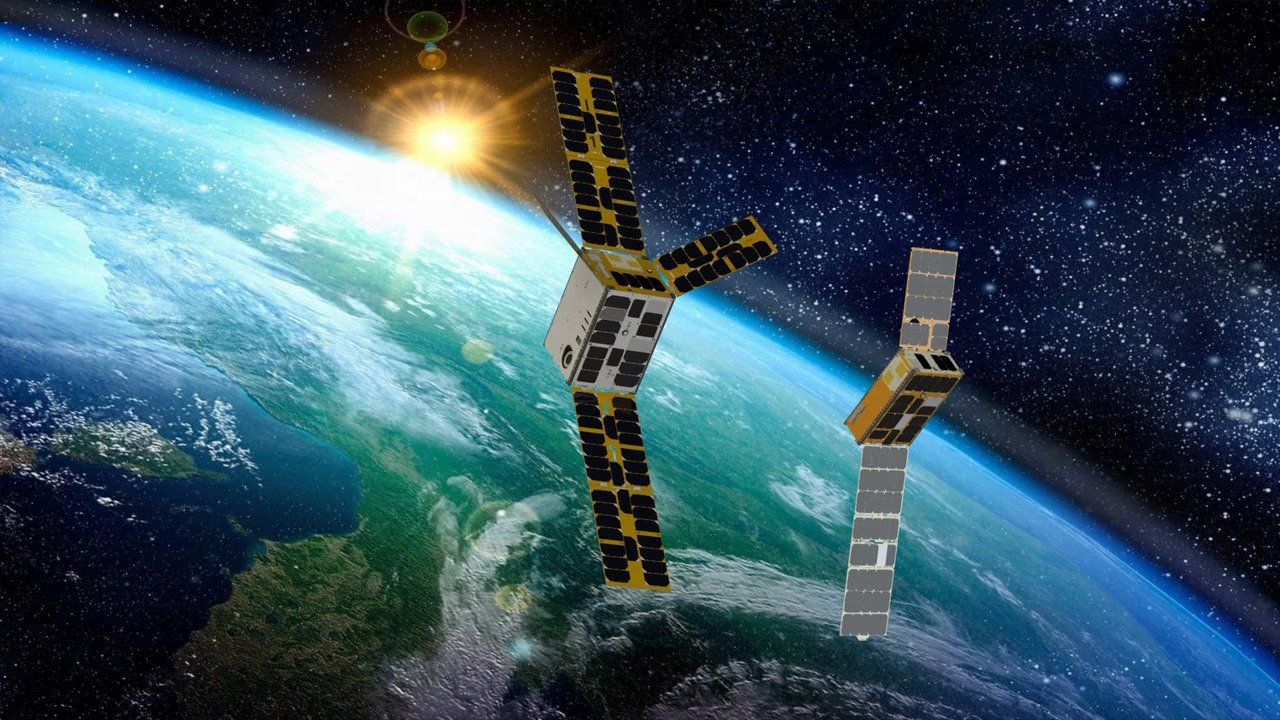
Earlier in October, ICEYE and Nokia announced a broader partnership to develop secure broadband satellite systems in low Earth orbit for governments and defense customers. The planned systems are intended to support military operations, border security, emergency services and disaster response.
Their central promise is sovereignty. Governments using the proposed systems would own and control the satellites, ground infrastructure and terminals. The companies expect the first communications satellites under their wider partnership to launch in 2028.
That model represents a sharp break from dependence on a conventional commercial satellite subscription. A state would not merely purchase access to somebody else’s network. It would control the infrastructure carrying sensitive communications.
For Ukraine, that distinction is no longer theoretical.
Terrestrial networks can be damaged, disrupted or compromised during war. Satellite communications can preserve connectivity when ground infrastructure is unavailable, allowing defense forces, emergency responders and public authorities to continue accessing essential information and command systems.
ICEYE CEO and co-founder Rafal Modrzewski said Ukraine needs satellite communications that are secure, fast and under Ukrainian control. He also emphasized that ICEYE has supported Ukraine since 2022 and intends to continue that support.
Mikko Hautala, Nokia’s Chief Geopolitical and Government Relations Officer and Chairman of Nokia Defense, argued that countries need communications they can rely on in every situation. Satellite networks, he said, can extend and protect connectivity when ground networks are disrupted.
The two companies bring different parts of the proposed architecture. ICEYE contributes experience in rapidly delivering sovereign satellite missions. Nokia brings secure networking technology and a growing defense portfolio. Their broader partnership plans to integrate satellites, ground infrastructure and ruggedized user terminals into one communications system.
The wider system is intended to complement existing military and commercial networks rather than replace them. Its purpose would be to provide additional reach, resilience and capacity over priority operational areas.
That may be the real strategic point. Ukraine does not need to abandon every commercial service. It needs alternatives, redundancy and more authority over the infrastructure it cannot afford to lose.
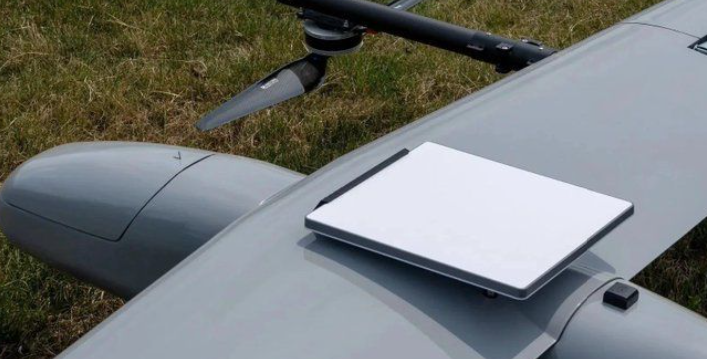
The battlefield is increasingly digital. Drones, intelligence systems, command networks and logistics all depend on reliable data links. When those links are controlled elsewhere, dependence becomes a strategic vulnerability.
Ukraine’s agreement with ICEYE and Nokia does not eliminate that vulnerability today. But it signals a decisive shift in thinking: sovereign defense requires more than weapons and personnel. It also requires ownership of the networks connecting them.
In the next era of warfare, the decisive asset may not be the satellite overhead.
It may be who holds the keys.