Too Many War Robots, Too Little War Readiness. Ukraine’s Frontline Faces a Fragmentation Crisis
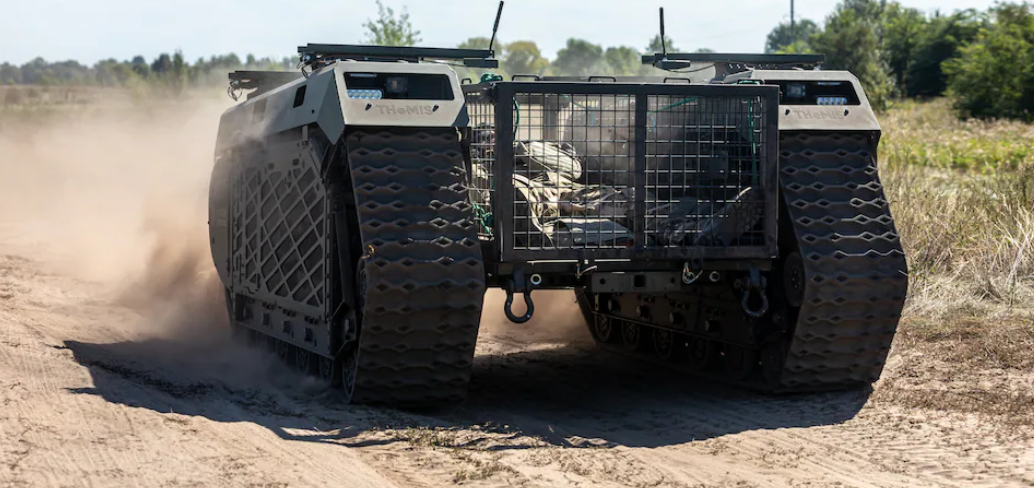
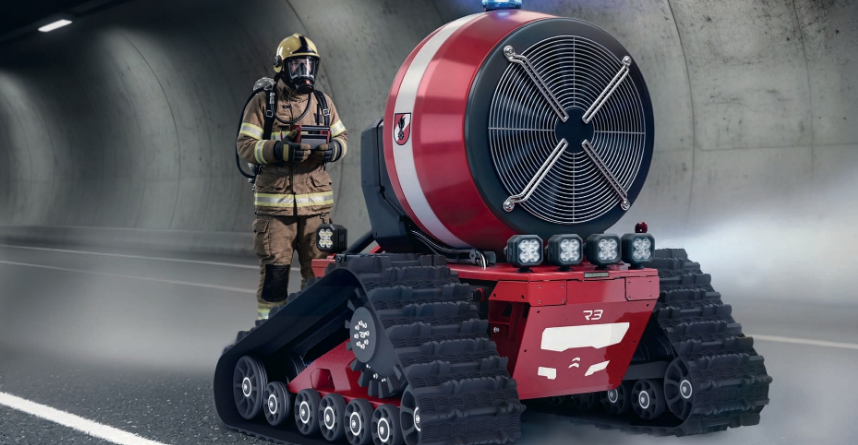
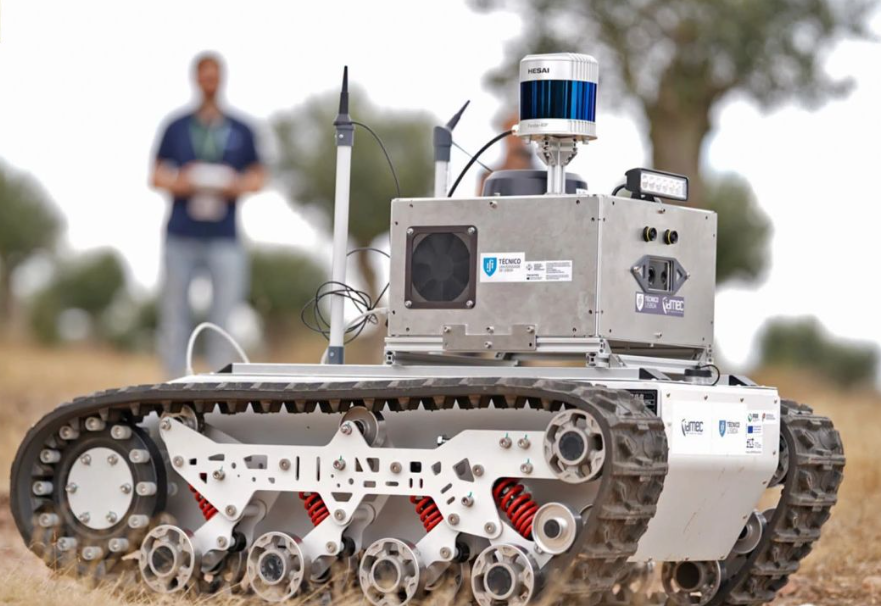
Ukraine has built what many analysts once thought impossible: a rapidly scaling ecosystem of unmanned ground vehicles (UGVs), produced at industrial speed and deployed across an active battlefield. The ambition is enormous. The reality at the front is far less polished.
Commanders and operators are beginning to speak openly about a problem that goes beyond technology: Ukraine’s battlefield robotics effort is suffering from fragmentation. Too many platforms, too little integration. Too much supply, not enough system.
The numbers are impressive. Hundreds of companies have reportedly flooded the market with different robotic systems. Tens of thousands of units are being produced and ordered. From logistics and evacuation to mine clearance, these machines are intended to save lives and reshape ground warfare.
Yet for those actually operating them, the promise of robotics is colliding head-on with operational chaos.
“We have a lot of platforms,” one front-line commander reportedly noted. “But what we need are solutions.”
That distinction is critical. A robot, in isolation, is not a solution. A solution includes communication systems, training programs, maintenance capabilities, spare parts supply chains, and the ability to deploy quickly under real combat pressure. Without these, hardware becomes a burden instead of an advantage.
On the battlefield, diversity is not always strength. In fact, excessive variation in systems creates friction. Different spare parts, incompatible communication protocols, unique repair needs—each variation slows down response time. Each breakdown becomes harder to fix. Each new model requires new training.
Instead of scaling efficiency, the system multiplies complexity.
The result is a paradox: Ukraine’s robotic fleet is growing rapidly, but its operational effectiveness is constrained by a lack of standardization. Soldiers are not asking for more machines. They are asking for fewer types, better supported.
This is not a uniquely Ukrainian problem. It reflects a broader trend in modern warfare innovation ecosystems. When rapid innovation is driven by dozens—or hundreds—of independent suppliers, fragmentation becomes almost inevitable. Innovation outpaces coordination.
Startups compete. Governments encourage experimentation. Funding flows into prototypes. But integration—the less glamorous, slower, more bureaucratic process—lags behind.
What emerges is a battlefield filled with promising technologies that do not "speak" to each other.
For operators at the front, this is not an abstract problem. A broken robot must be repaired immediately or abandoned. A communication failure can mean mission failure. A lack of unified training increases vulnerability in already dangerous conditions.
In such an environment, consistency is power.
Some commanders are now calling for a shift in priorities: away from scaling the number of new models and toward consolidating existing systems. Standardized components. Unified repair modules. Shared training protocols. Interoperable communication systems.
In short: fewer platforms, better infrastructure.
The challenge lies in executing that shift without slowing innovation. Too much standardization risks freezing development. Too little results in the current fragmentation. Striking the balance is one of the defining operational and industrial challenges of contemporary warfare.
Ukraine’s experience offers a glimpse into the future of military technology at scale: wars will not be won by hardware alone. They will be won by ecosystems.
And ecosystems require discipline.
The success of battlefield robotics will not be measured by how many units are produced, but by how many can be reliably deployed, maintained, and integrated under pressure.
At the front, the verdict is already forming.
Innovation is no longer enough.