ROVO3 UGV: Could Mobile Laser Robots Change the Economics of Counter-Drone Warfare?

For years, counter-drone systems have often relied on expensive interceptors, complex air-defense networks, or electronic warfare solutions. But a new European project raises an interesting question:
Could mobile laser robots fundamentally change how drones are defeated?
An Austrian-developed unmanned ground vehicle, combined with German laser technology, may represent one of the most unusual counter-drone concepts seen so far.
A Multi-National Technology Stack
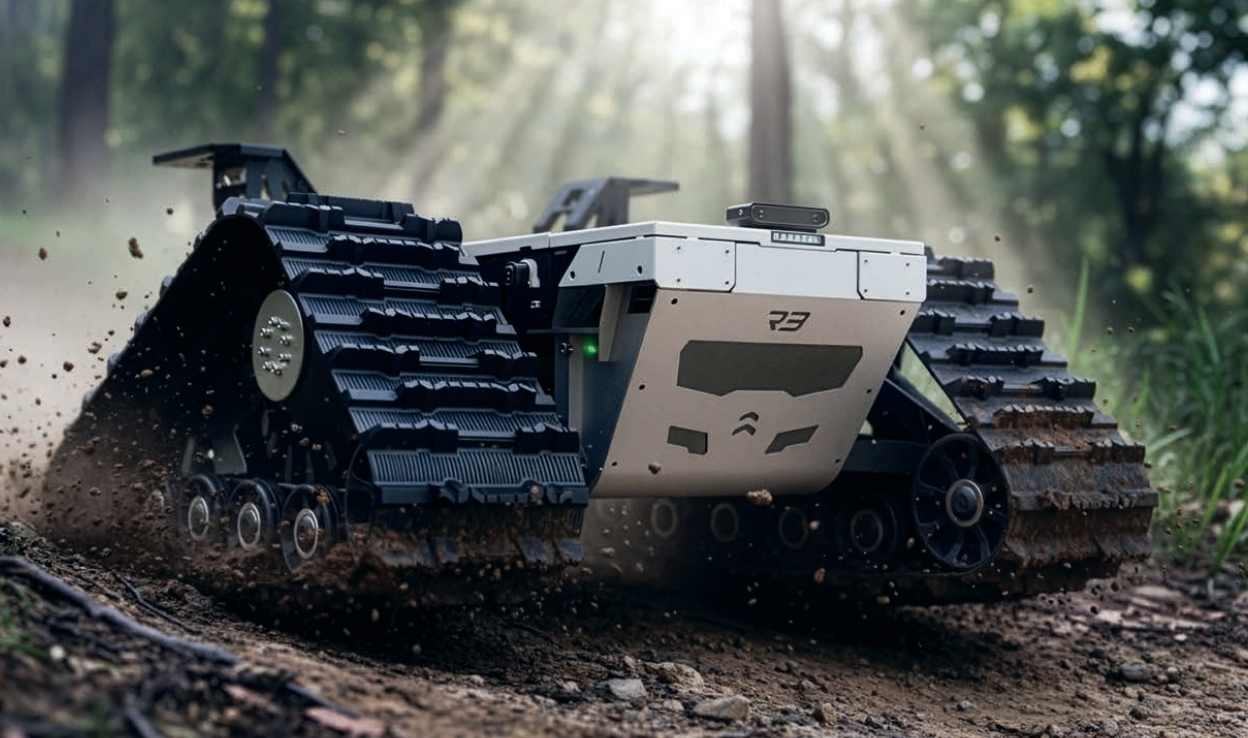
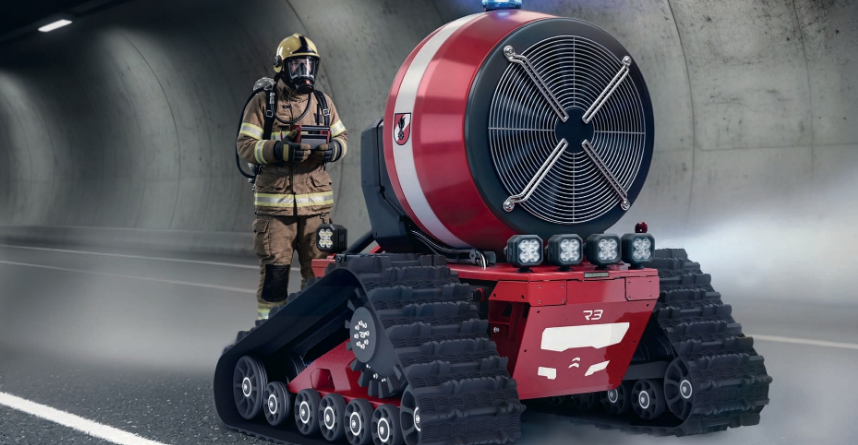
At the center of the project is the Ziesel UGV, developed by Hentschel System. The vehicle itself is based on the electric ROVO3 platform from Austrian manufacturer Hawe Mattro.
Originally designed for demanding industrial and off-road environments, the ROVO platform offers:
- Pure electric drive;
- Battery exchange capability;
- High traction on difficult terrain;
- Payload capacity of up to 300 kilograms;
- Interfaces for additional systems and autonomous functions.
Its versatility has already attracted customers from both industrial and defense sectors.
From Utility Vehicle to Autonomous Robot
Hentschel System transforms the base platform into the operational Ziesel system by integrating:
- Environmental perception sensors;
- Cameras;
- LiDAR technology;
- Robotic control systems;
- Autonomous and remote operation capabilities.
The result is not simply a vehicle, but a flexible robotic platform capable of carrying specialized mission equipment.
The Laser Component
Perhaps the most interesting part of the project comes from German company Inleap Photonics.
Instead of relying on traditional mirror-based beam steering, the company uses an optical transmission approach that allows extremely fast and precise beam control.
Another distinctive characteristic of the technology is the beam geometry itself. Rather than maintaining constant intensity over long distances, the beam focuses energy primarily at the target area before dispersing again. According to the developers, this approach helps improve operational safety while maintaining effectiveness.
The entire laser system is powered directly by the vehicle's battery architecture, demonstrating how electric mobility and directed-energy technologies are increasingly converging.
AI Meets Directed Energy
Modern counter-drone systems are no longer only about sensors or weapons.
Artificial intelligence, image recognition, and automated target tracking are becoming equally important components.
By combining perception systems with fast beam control, future systems may be able to react significantly faster than traditional human-operated solutions.
This shift highlights a broader trend across robotics:
Software is becoming just as important as hardware.
Layered Defense Instead of Single Solutions
One challenge for laser technologies remains atmospheric conditions.
Weather, fog, dust, and environmental disturbances can affect performance. Because of this, developers increasingly favor layered approaches that combine multiple technologies rather than relying on a single system.
This reflects an important lesson emerging from modern autonomous systems:
No individual technology solves every problem.
Resilience comes from combining complementary capabilities.
A Glimpse Into the Future
What makes this project particularly interesting is not just the laser itself.
It is the combination of:
- Electric mobility;
- Robotics;
- Autonomy;
- Sensors;
- Artificial intelligence;
- Directed-energy technology.
Together, these technologies represent a broader transformation occurring across the unmanned systems industry.
Perhaps the future battlefield—and even future industrial security environments—will not be defined by single machines.
Instead, they may be shaped by intelligent robotic ecosystems capable of sensing, deciding, and responding in real time.
And that raises a fascinating question:
Will tomorrow's air defense systems look more like robots than traditional weapons?