The War Nobody Can End. NATO Admits the Biggest Obstacle Is Putin Himself
For more than four years, diplomats, generals, presidents, and negotiators have searched for the formula that could end Europe’s bloodiest conflict since World War II.
Sanctions.
Weapons.
Economic pressure.
Diplomatic initiatives.
Backchannel negotiations.
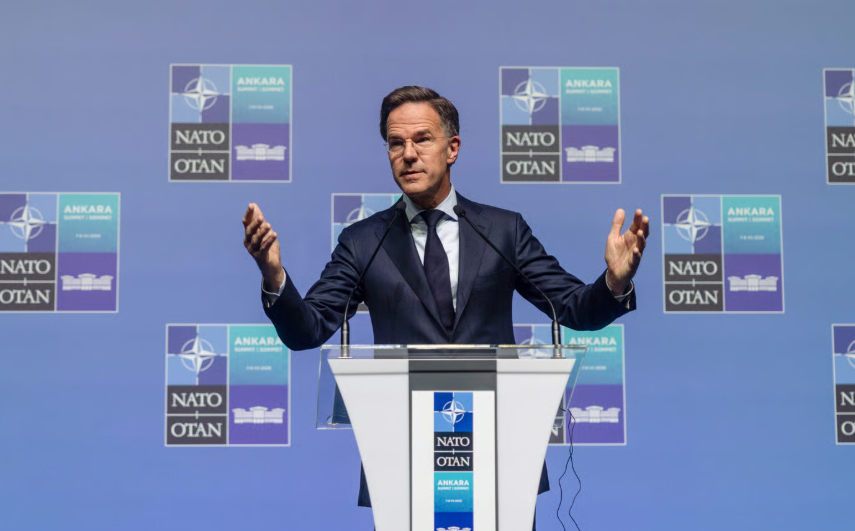
Yet as NATO leaders gathered in Ankara, Secretary-General Mark Rutte delivered perhaps the most honest assessment heard from a Western leader in months:
Nobody knows what it will take to get Vladimir Putin to negotiate.
The statement was striking not because it was dramatic, but because it exposed a reality many policymakers privately acknowledge and publicly avoid.
The greatest uncertainty in the Ukraine war is no longer military.
It is psychological.
The conflict has become centered on a single question:
What does Putin actually want?
And perhaps more importantly:
What would convince him to stop?
The Strategic Mystery at the Center of the War
Western governments have spent years trying to understand the Kremlin’s calculations.
Every new sanctions package has been designed to increase economic pain.
Every shipment of advanced weapons has sought to raise the military cost of aggression.
Every diplomatic initiative has attempted to create an exit strategy.
Yet Moscow continues fighting.
According to Rutte, Putin remains unwilling to engage directly with Ukrainian President Volodymyr Zelenskyy despite repeated public offers from Kyiv for negotiations.
The result is a conflict trapped between military escalation and diplomatic stagnation.
“Two are needed to tango,” Rutte remarked.
Ukraine says it is ready.
Russia says it wants diplomacy but continues to pursue military objectives.
The gap between those positions remains enormous.
The Battlefield Says One Thing. Politics Says Another.
Military developments suggest increasing pressure on both sides.
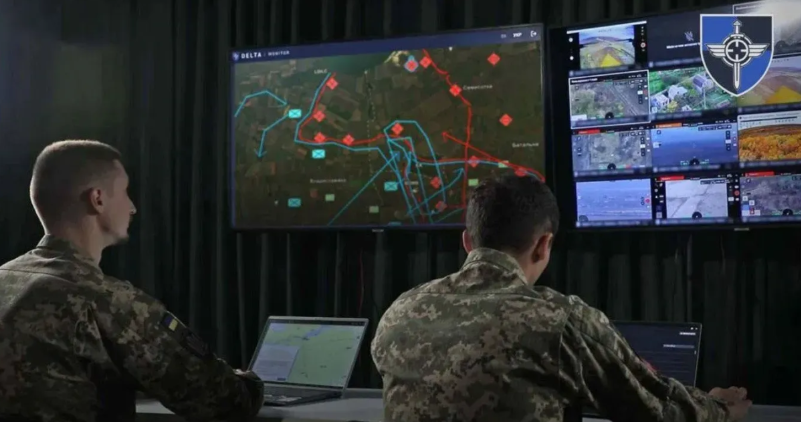
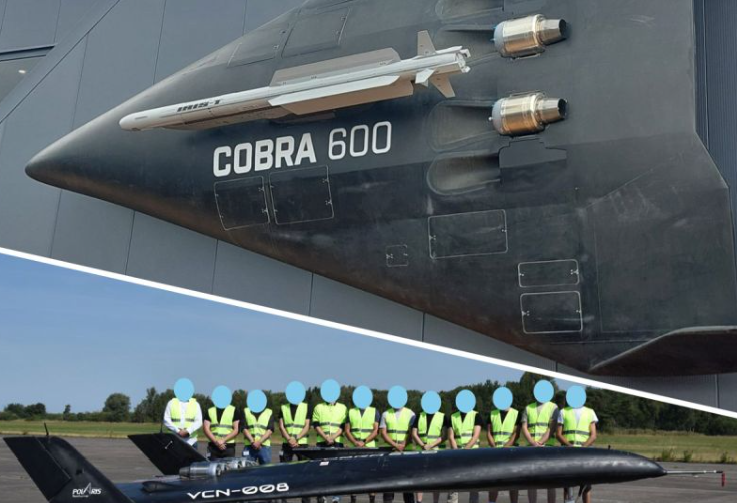
Ukraine has expanded its ability to strike targets deep inside Russian territory, demonstrating that distance no longer guarantees security.
At the same time, Russia continues launching large-scale missile attacks against Ukrainian cities and infrastructure.
The latest strikes on Kyiv illustrated a brutal imbalance.
While Ukraine has improved its offensive reach, its air-defense network is under growing strain.
President Zelenskyy openly acknowledged shortages of key missile interceptors needed to counter ballistic threats.
The message was clear:
Ukraine can hit Russia.
But it still struggles to fully protect itself from Russian attacks.
This reality continues to drive urgent appeals for additional Western military support.
Is Russia Really Feeling Pressure?
One of the most debated questions inside NATO is whether Moscow is approaching a strategic breaking point.
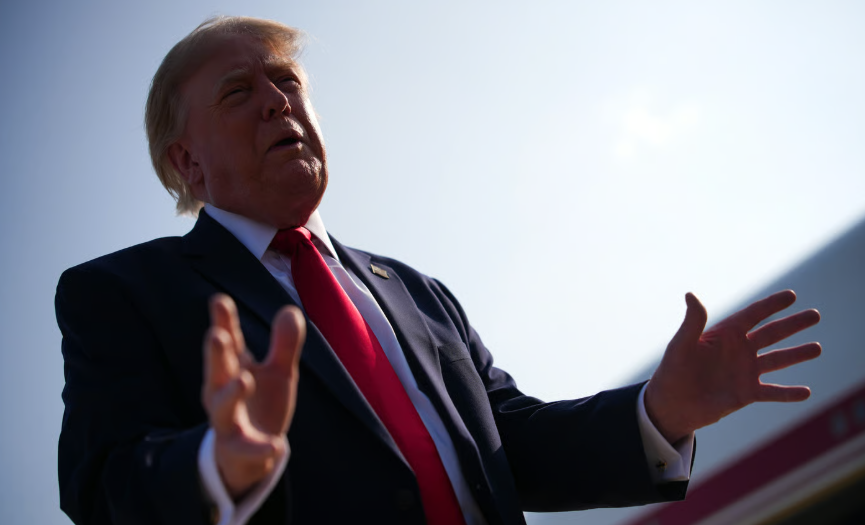
Donald Trump suggested this week that Putin wants the war to end.
The Kremlin has also repeatedly stated it favors a diplomatic solution.
Yet Russian military operations continue at high intensity.
This contradiction highlights one of the core challenges facing diplomats.
If peace is genuinely desired, why are battlefield operations escalating?
If military pressure is working, why has it not translated into serious negotiations?
Western officials increasingly admit there may be no straightforward answer.
The Kremlin’s calculations appear to involve factors beyond conventional military metrics.
Domestic politics.
Historical narratives.
National prestige.
Strategic ambitions.
All play roles that are difficult for external observers to measure.
The Air Defense Crisis
Beyond diplomacy, the war is exposing another reality: modern air warfare is becoming a contest of industrial endurance.
Russia continues producing missiles at a pace that challenges Ukraine’s defensive capacity.
Ukraine, meanwhile, depends heavily on Western stockpiles and production lines.
Every interceptor launched to protect Kyiv is one fewer available elsewhere.
Every missile Russia fires imposes costs beyond the battlefield.
This has transformed air defense from a technical issue into a strategic one.
The country that can sustain production longest may gain a decisive advantage.
For NATO, this creates new urgency around defense manufacturing and stockpile replenishment.
For Ukraine, it raises an immediate question:
Can partners provide enough systems fast enough?
The Limits of Military Solutions
The conflict increasingly demonstrates a difficult truth.
Wars can be influenced by military power.
They cannot always be ended by it.
Ukraine has proven it can resist.
Russia has proven it can endure.
Neither side has yet demonstrated the ability to impose a decisive outcome.
That leaves diplomacy as the only sustainable path forward.
The problem, as Rutte bluntly acknowledged, is that diplomacy requires willing participants.
And that remains the greatest uncertainty.
A Summit Overshadowed by War
As NATO leaders gather to discuss alliance strategy, defense spending, and future security challenges, Ukraine continues to dominate the agenda.
The question is no longer whether the war will shape European security.
It already has.
The question is whether anyone possesses a roadmap to end it.
Rutte’s answer was remarkably candid:
Nobody does.
That honesty may be uncomfortable.
But it also reflects the strategic reality facing NATO, Ukraine, Russia, and the wider world.
The war’s military dimensions are visible every day.
Its political endgame remains hidden behind the calculations of leaders whose intentions are still impossible to predict.
And until that changes, peace will remain frustratingly out of reach.