Europe’s New Defense Reality. Why Turkey Is Becoming NATO’s Most Important Ally After America
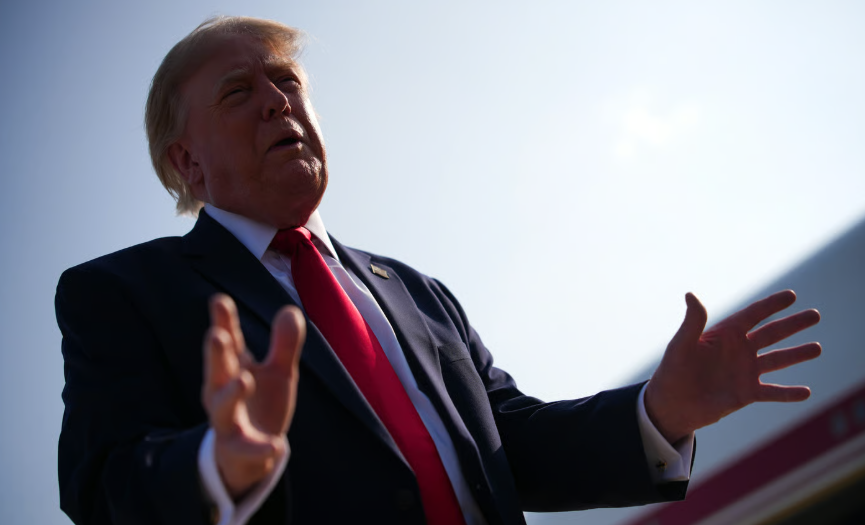
European security rested on a simple assumption: when things went wrong, America would be there.
That assumption is beginning to crack.
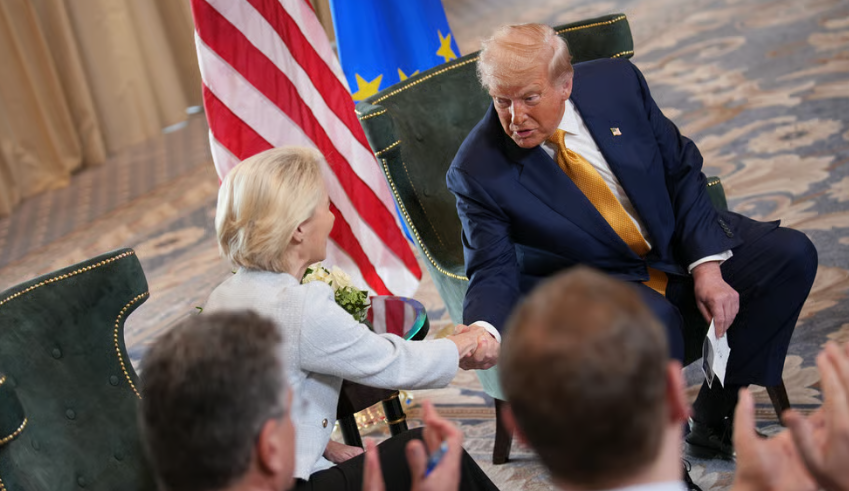
As Donald Trump once again questions Washington’s role as Europe’s ultimate security guarantor, a geopolitical shift is quietly unfolding inside NATO. European capitals are being forced to confront a reality they spent years avoiding: they may need Turkey far more than they would like.
Not because they suddenly trust Ankara.
Because they no longer fully trust Washington.
The irony is profound.
For years, Turkey was viewed as NATO’s problematic ally—the difficult partner that purchased Russian S-400 missile systems, clashed with Greece, challenged European leaders and drifted away from democratic norms.
Today, however, Europe finds itself looking at Turkey through a different lens.
Not as a problem.
As a necessity.
The Trump Effect
Every major European defense strategy since the Cold War has been built around American military dominance.
U.S. troops in Germany.
American intelligence.
American logistics.
American missile defense.
American nuclear deterrence.
But when Trump publicly questions NATO commitments and demands Europeans take far greater responsibility for their own defense, the strategic calculus changes dramatically.
The uncomfortable question now facing European policymakers is simple:
Who can fill the gap if America steps back?
There is only one realistic answer inside NATO.
Turkey.
NATO’s Sleeping Giant Awakens
Turkey possesses NATO’s second-largest military force after the United States.
Yet for years much of Europe treated Ankara as an unpredictable partner rather than a strategic asset.
That perception is changing rapidly.
Turkey today combines military scale with something Europe desperately needs: industrial capacity.
While many European countries struggle to rebuild defense manufacturing after decades of budget cuts, Turkish factories are producing ships, drones, armored vehicles, missiles and ammunition at remarkable speed.
The country’s defense exports reached record levels as demand surged worldwide.
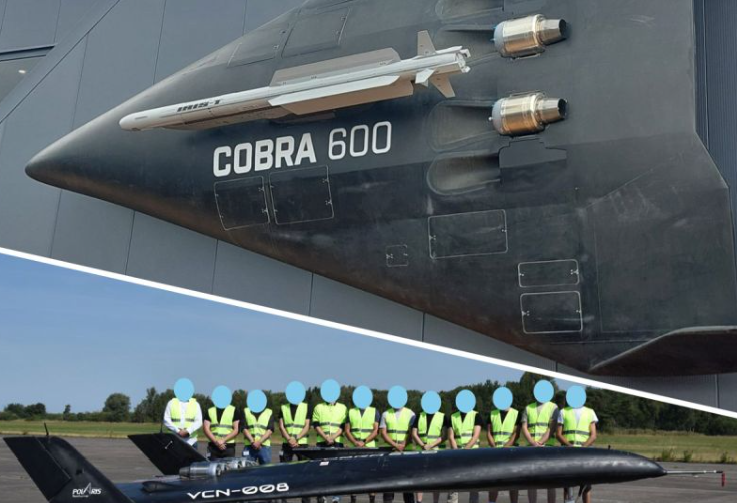
In particular, Turkish drone manufacturers have become global players.
The combat performance of Baykar’s systems in multiple conflicts transformed perceptions of Turkish defense technology from low-cost alternatives into serious strategic assets.
Europe has taken notice.
The Drone Power Europe Can’t Ignore
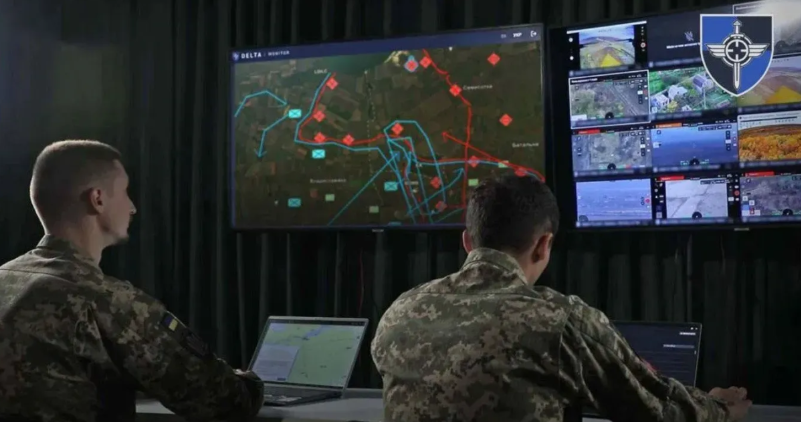
The war in Ukraine fundamentally changed how militaries think about drones.
Cheap autonomous systems now influence battlefields as much as tanks and aircraft once did.
Turkey recognized that reality earlier than many Western nations.
Its drone industry matured rapidly while much of Europe was still debating procurement procedures and regulatory frameworks.
The result is a capability gap that has suddenly become impossible to ignore.
As Europe races to strengthen its defenses and prepare for an increasingly uncertain security environment, Turkish drone expertise offers something valuable: speed.
And in modern defense, speed is becoming a strategic advantage.
The age of decade-long procurement cycles is over.
Countries need capability now.
Turkey can deliver.
A Marriage of Convenience
Yet Europe’s renewed embrace of Turkey is anything but a love story.
Fundamental tensions remain.
European governments continue to criticize Ankara’s human rights record, press freedom restrictions and democratic backsliding.
Turkey’s relationships with Russia and China generate persistent concern among NATO partners.
Many policymakers remain uneasy about integrating Turkey more deeply into European defense structures.
The dilemma is obvious.
How do you build a security partnership with a country whose political trajectory makes many European leaders uncomfortable?
The answer appears increasingly pragmatic.
You separate strategic necessity from political preference.
At least partially.
This is not affection.
It is geopolitics.
The New Center of NATO Gravity
What is emerging is more than a temporary adjustment.
It may represent a long-term transformation of NATO itself.
For decades, the alliance’s center of gravity lay across the Atlantic.
Now it is shifting.
The Black Sea.
The Eastern Mediterranean.
The Middle East.
These regions increasingly define Europe’s security landscape, and Turkey sits at the center of all three.
Its geography cannot be replicated.
Its military scale cannot easily be replaced.
Its industrial capacity cannot be ignored.
Whether Europe likes it or not, Turkey is becoming one of the indispensable pillars of the continent’s future defense architecture.
The Strategic Reality
The harsh truth facing Europe is that security partnerships are rarely built on shared values alone.
They are built on shared interests.
And today, Europe’s interest is increasingly clear.
A continent preparing for a future with less American certainty needs partners capable of filling critical gaps.
Turkey has the troops.
Turkey has the factories.
Turkey has the drones.
Most importantly, Turkey has options that Europe currently lacks.
Trump may never have intended to strengthen Ankara’s position inside NATO.
Yet his repeated questioning of America’s role may have achieved exactly that.
The result is a geopolitical paradox few predicted:
The more uncertain America becomes, the more indispensable Turkey appears.
And that realization could reshape European security for decades to come.
.jpeg)