The Six-Month Window - How Machines, Not Men, May Decide Ukraine’s War Next Turning Point
Wars used to turn on breakthroughs.
A decisive offensive. A collapsed frontline. A city falling that changed everything overnight.
But in Ukraine, the next turning point may look nothing like that.
Instead, it may be quieter. More incremental. And far more unsettling: a slow shift in advantage driven not by massed armies—but by machines learning faster than humans can fight.
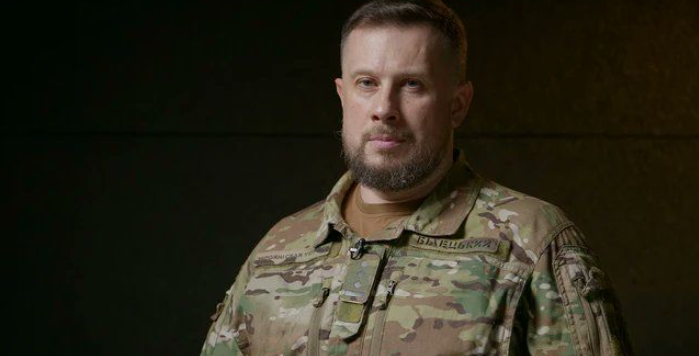
A senior Ukrainian commander has warned that the next six months could determine the leverage with which the war eventually ends. Not victory. Not collapse. Leverage.
And that distinction matters.
The War of Position Becomes a War of Adaptation
After years of grinding attrition, both Ukraine and Russia are facing limits—not just in equipment, but in people.
Russia still retains scale and the ability to sustain pressure. But its manpower shortages are becoming more visible, constraining the type of large-scale offensives it could attempt even a year ago.
Ukraine faces its own constraints.
And that is precisely why the battlefield is changing.
The traditional model—infantry backed by artillery and armor—is no longer sufficient at this stage of the war. Instead, both sides are forced to innovate under pressure, replacing human exposure with technological substitution wherever possible.
What emerges is a new logic of warfare:
Preserve soldiers. Spend machines.
The Rise of the Robotic Battlefield
General Biletsky’s assessment points to a fundamental shift. The next phase is not about one decisive weapon, but about the integration of multiple unmanned systems into coherent operations.
The list is telling:
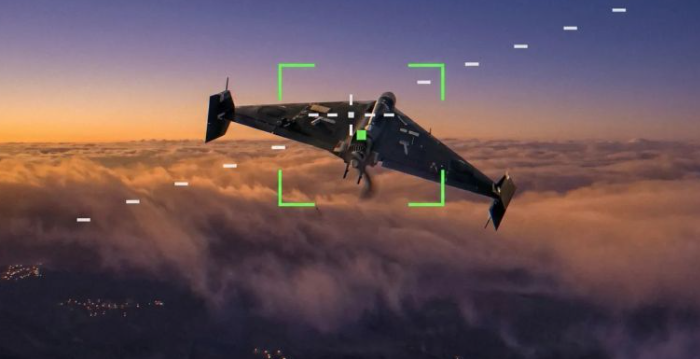
- Kamikaze drones
- Mid-range strike systems
- Electronic warfare disrupting communications
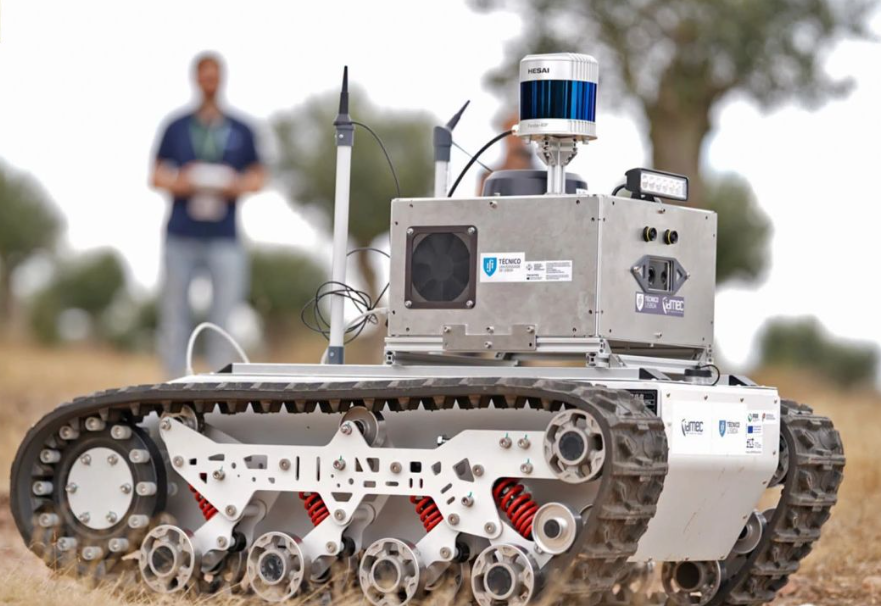
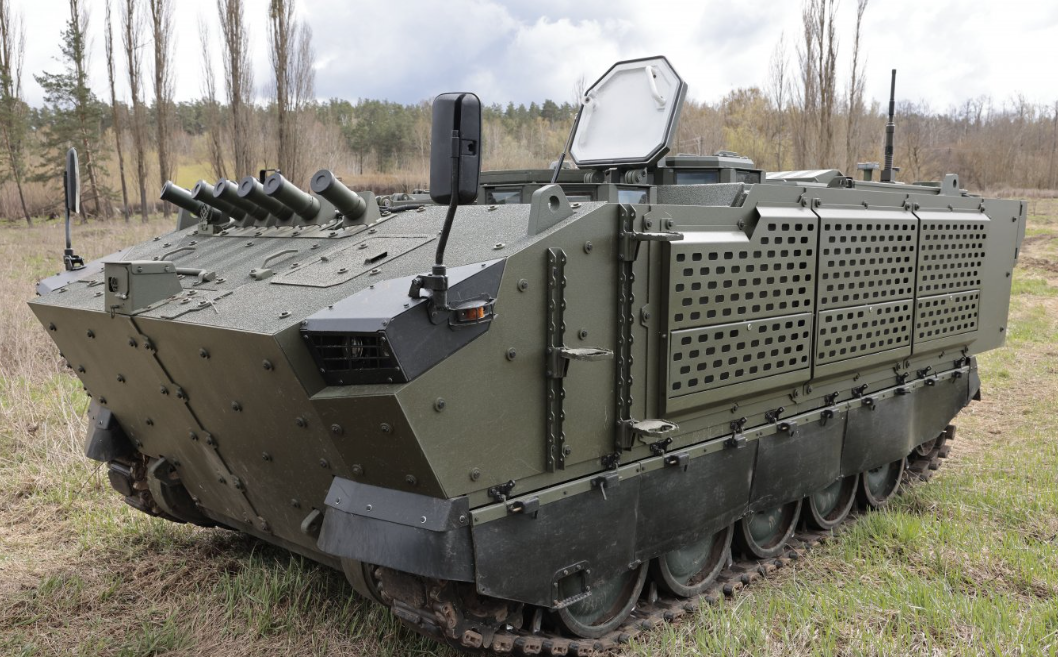
- Unmanned ground vehicles
- Heavy bomber drones
- Fiber-optic-controlled drones resistant to jamming
Individually, none of these are war-winning technologies.
Together, they form something more powerful: a system capable of constantly applying pressure, probing weaknesses, and adapting faster than the enemy.
This is not breakthrough warfare.
This is adaptive warfare.
From Firepower to Tempo
The real competition is no longer just firepower—it is tempo.
Can Ukraine:
- Strike faster than Russia can respond?
- Repair capabilities faster than Russia can degrade them?
- Adapt tactics faster than Russia can absorb losses?
Because in this kind of war, speed of learning becomes more important than size of force.
The side that iterates faster—testing, failing, adjusting, deploying—gains an invisible advantage that compounds over time.
And unlike traditional offensives, this advantage does not require a spectacular breakthrough. It simply requires being consistently better.
A New Model of Assault
Perhaps the most radical shift is happening at the tactical level.
Units like Ukraine’s 3rd Army Corps are no longer treating drones as support tools. They are beginning to restructure assault tactics around them.
Instead of infantry leading and drones assisting, the model is flipping:
- Drones scout, strike, and suppress
- Ground robots extend reach and reduce exposure
- Human soldiers follow where machines have already weakened defenses
This is not just technological adoption.
It is doctrine in transformation.
The Strategic Clock Is Ticking
But there is a catch.
Time.
War fatigue—political, economic, and social—is a force in itself. If Ukraine cannot convert its current innovations into tangible strategic gains, the momentum risks dissipating.
Russia, despite its losses, remains resilient. It can absorb punishment, regenerate forces, and continue grinding forward.
That means the window is real—but limited.
Not a Breakthrough—A Rebalancing
The coming months will not deliver a cinematic moment of collapse.
Instead, they may produce something subtler but no less decisive: a shift in balance.
If Ukraine can:
- Hold pressure across multiple fronts
- Deny Russia key objectives
- Translate tactical innovation into operational coherence
Then any future negotiations begin from a fundamentally different position.
And that, ultimately, is the goal.
Final Thought
The next turning point in war will not be defined by who advances faster—but by who adapts faster.
It will not be measured in kilometers gained—but in systems integrated, cycles accelerated, and decisions improved.
Because in this war, the side that learns how to spend machines instead of people may not just survive.
It may shape how the war ends.
.png)