Ukraine’s Drone War Enters Its Next Phase: Interceptors, Ground Robots, and Export Power
If 2024 proved that drones could change the battlefield, 2026 is proving something else: they can replace soldiers, reshape industry, and redefine alliances.
Across air, land, and sea, Ukraine is now running what looks less like an ad‑hoc wartime innovation cycle and more like a full unmanned‑systems doctrine—one that is being scaled, exported, and studied worldwide.
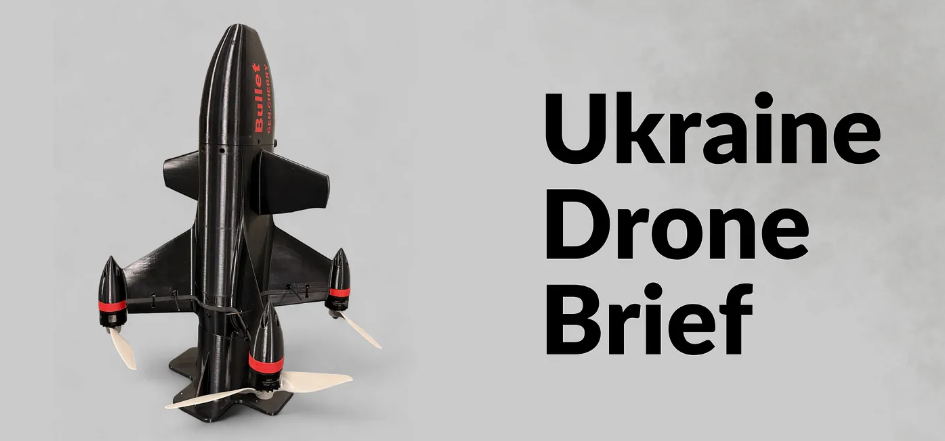
On the aerial front, Russian military sources have reported the appearance of a new Ukrainian fixed‑wing strike drone nicknamed “Martian.” According to those claims, it flies at low altitude with a reduced acoustic signature and cruise speeds approaching 300 km/h. Ukrainian authorities have neither confirmed nor denied the system’s existence—a familiar pattern in a war where silence often confirms capability without revealing scale.
What is confirmed is Ukraine’s growing dominance in counter‑drone warfare.
In March 2026, interceptor drones developed by the Ukrainian manufacturer known as General Cherry recorded 11,473 confirmed enemy drone kills, the highest result among domestic producers and almost double the previous reporting period. Shortly afterward, Ukraine’s Ministry of Defence placed its largest single interceptor order to date: 8,000 Octopus interceptor drones, produced by a network of 29 licensed Ukrainian companies, with the United Kingdom formally supporting production and scaling.
The Octopus system is designed to counter Shahed‑type attack drones at low altitude, including at night and under electronic‑warfare conditions. Officials have framed the program not just as air defense, but as economic substitution—replacing scarce, expensive surface‑to‑air missiles with mass‑produced, attritable interceptors.
On the ground, Ukraine is attempting something even more audacious.
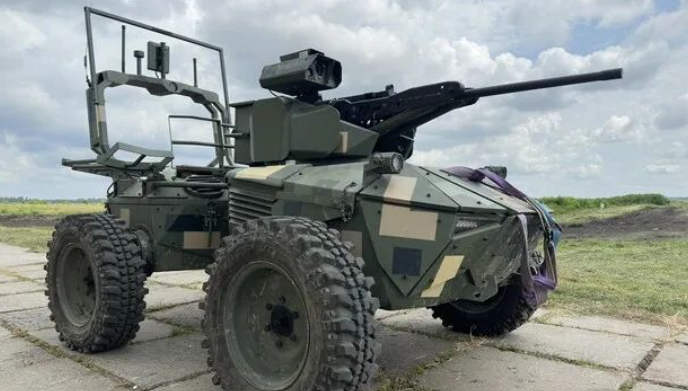
President Volodymyr Zelenskyy has instructed the Ministry of Defence to supply at least 50,000 unmanned ground vehicles (UGVs) in 2026, calling them “the next major step” after aerial drones. The commander of Ukraine’s Third Army Corps has gone further, openly stating a goal to withdraw one‑third of infantry from direct frontline exposure and replace them with ground robots, citing operational successes in logistics, evacuation, reconnaissance, and combat support roles.
This shift reflects a hard battlefield reality: manpower is finite, but robots can be produced, repaired, and replaced at scale.
The challenges remain severe. FPV drones are still the primary threat to UGVs, prompting Ukrainian firms like Ratel Robotics to field experimental counter‑FPV protection systems, including net‑based launchers mounted on ground platforms. Meanwhile, Russia is reported to be deploying over 20 types of ground drones, increasingly normalizing robotic warfare on both sides.
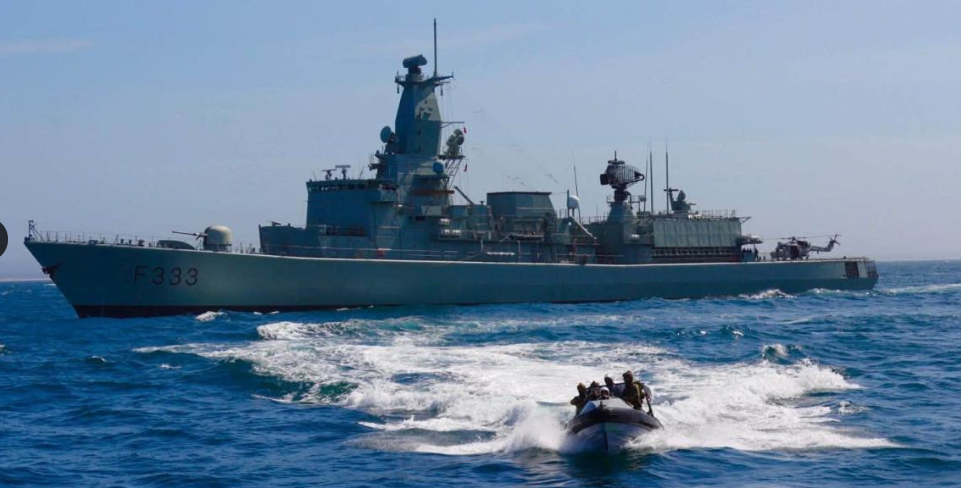
At sea, unmanned naval systems continue to evolve more cautiously. Russian forces have attempted limited attacks using uncrewed surface vessels along the Black Sea coast, including near Odesa, though such operations remain sporadic and constrained.
The most strategic shift, however, may be happening off the battlefield.
Ukraine is formally opening its defense industry to exports through a new framework referred to as “Drone Deals.” The first agreement was signed with the Netherlands, with additional cooperation announced with Poland, Estonia, Norway, Finland, and Japan. These deals combine foreign financing and manufacturing capacity with Ukrainian battlefield experience—turning wartime innovation into a geopolitical asset.
Norway has agreed to jointly produce several thousand “mid‑strike drones” for direct delivery to Ukrainian forces. Finland is expanding production under the Build with Ukraine initiative. Japan’s Terra Drone has made its second strategic investment in Ukrainian interceptor‑drone companies. The UK has selected three domestic suppliers—Tekever, Windracers, and Malloy Aeronautics—to deliver 120,000 drones under its largest support package to date.
Ukraine’s drone doctrine is no longer experimental.
It’s industrial.
And increasingly, international.


.png)