Game of Drones - 6 The Most Powerful Drones in Ukraine-Russia War
.png)
The war in Ukraine has quietly become the most technologically intense drone conflict in history.
What is unfolding is not simply a clash of armies, but a clash of two innovation models.
On one side, Ukraine is pushing rapid iteration, software integration and autonomous navigation. Startups, engineers and volunteer groups continuously modify designs, sometimes deploying new drone variants within weeks.
On the other side, Russia is focusing on industrialized production and scale, deploying large numbers of relatively simple but effective drones supplied or influenced by partners in Iran and China.
The result is a battlefield where algorithms, electronics, and mass production collide in real time.
Six drones illustrate how this technological duel is evolving.
AN-196 Liutyi — AI-Guided Long-Range Strike Drone
One of Ukraine’s most notable long-range systems is the AN-196 Liutyi, a one-way attack drone designed to strike targets deep inside Russian territory.
While visually similar to Shahed-type drones, Liutyi introduces a significant technological upgrade: AI-assisted navigation.
Instead of relying entirely on GPS signals, the drone uses onboard mapping and artificial intelligence to compare real-time imagery with stored visual maps. This allows the system to adjust its route during flight and remain effective even in GPS-denied environments where electronic warfare is active.
This capability enables the drone to autonomously correct its path toward strategic targets such as oil facilities or industrial infrastructure.
Liutyi represents a broader shift toward semi-autonomous strike systems.

Fire Point FP-1 — Affordable Deep-Strike Drone
Another example of Ukraine’s engineering approach is the FP-1 deep-strike drone, developed by Ukrainian company Fire Point.
The system emphasizes range and affordability.
With a reported range of 1,200–1,600 kilometers and a warhead capacity of up to 120 kilograms, the FP-1 is capable of hitting high-value military or logistical targets far behind the front lines.
But its most notable feature is cost.
At roughly $55,000 per unit, the FP-1 is significantly cheaper than comparable long-range drones. That price advantage allows Ukraine to scale production and deploy the system more widely.
The philosophy behind the FP-1 is simple: long-range precision at industrial scale.
Sting — Drone-on-Drone Interceptor
Not all drones are designed to attack ground targets.
Ukraine has also developed systems specifically to hunt other drones.
The Sting interceptor, developed by the Wild Hornets group, is a lightweight quadcopter designed to intercept incoming Shahed-type drones.
Instead of firing expensive anti-aircraft missiles, operators launch Sting drones to chase and destroy enemy UAVs.
The drone uses thermal imaging technology provided by Ukrainian firm Odd Systems, allowing it to track targets at night or in poor visibility conditions.
With an estimated cost of around $2,100, Sting represents a new class of extremely low-cost air defense.
Reports suggest these interceptors have already been responsible for thousands of drone shootdowns.
RAM-2X — Lightweight Loitering Munition
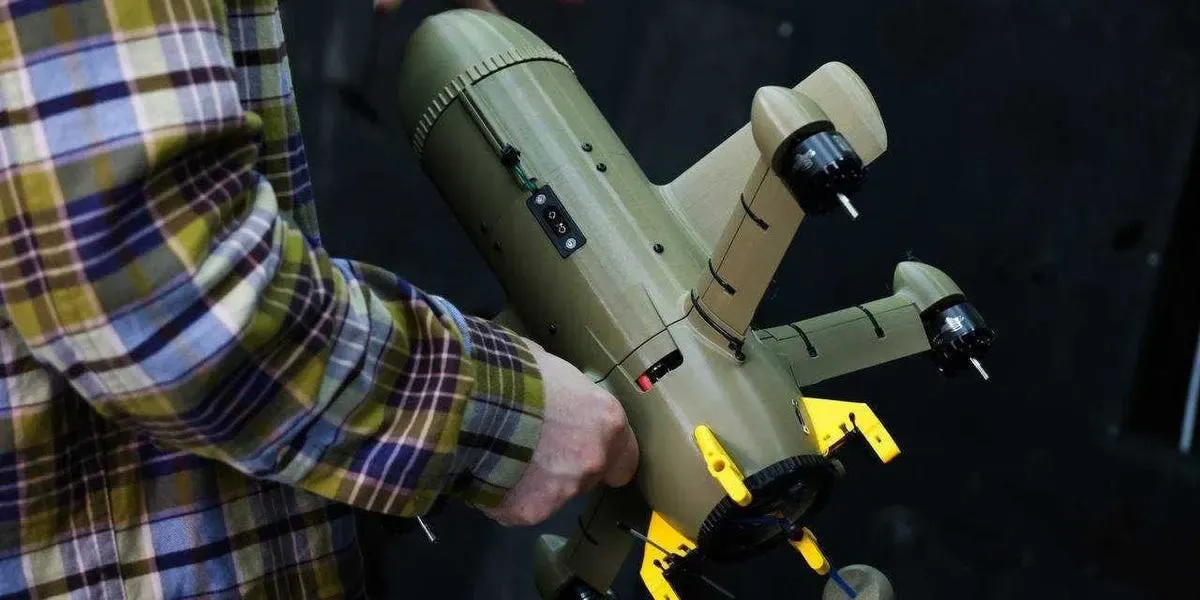
Another Ukrainian system illustrating battlefield innovation is the RAM-2X loitering munition.
Unlike large long-range drones, RAM-2X is designed for tactical battlefield use.
The drone carries a relatively small warhead of up to 3 kilograms, but it offers strong maneuverability and resistance to electronic warfare.
RAM-2X can loiter above a target area before diving toward a target once identified.
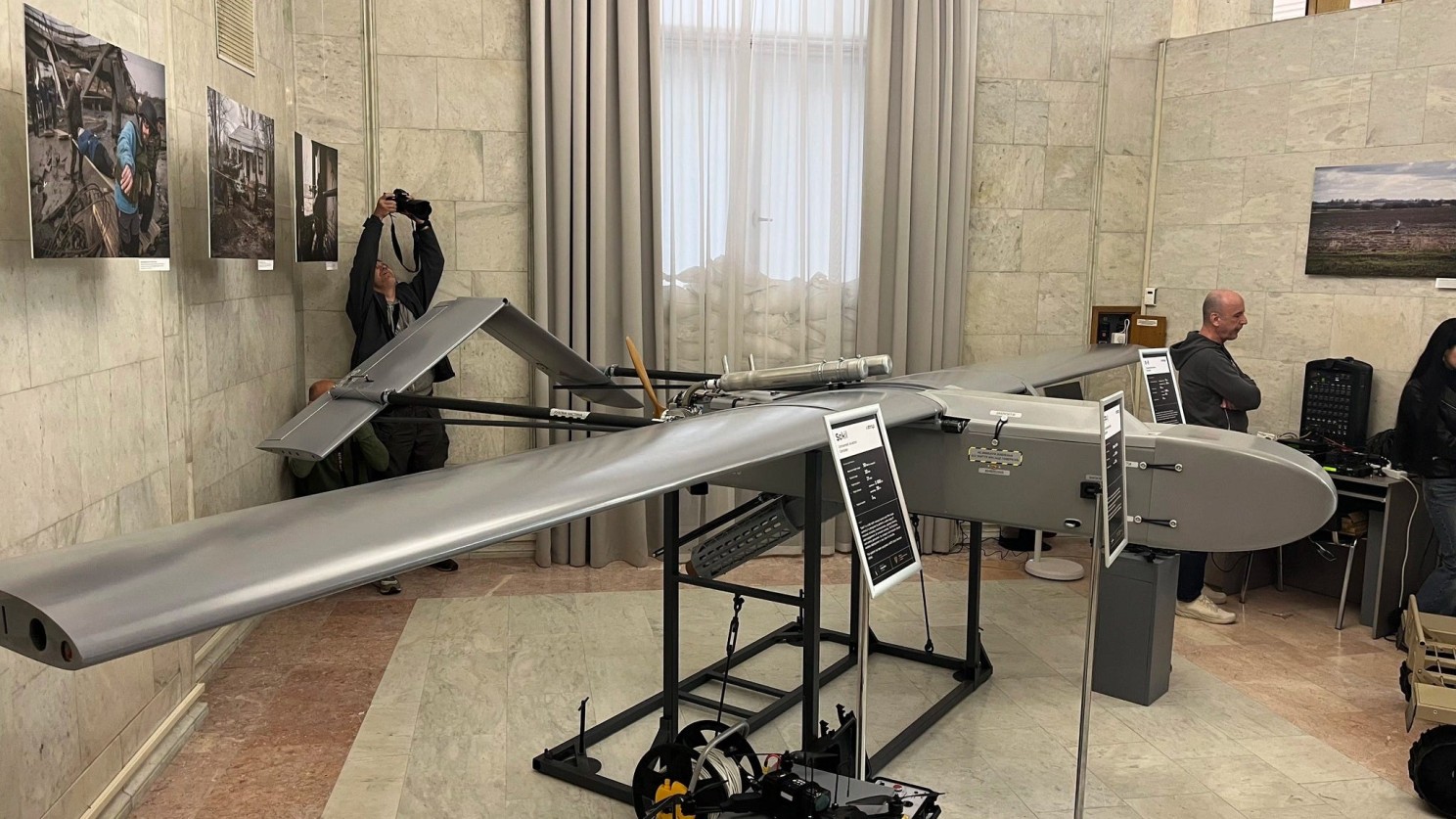
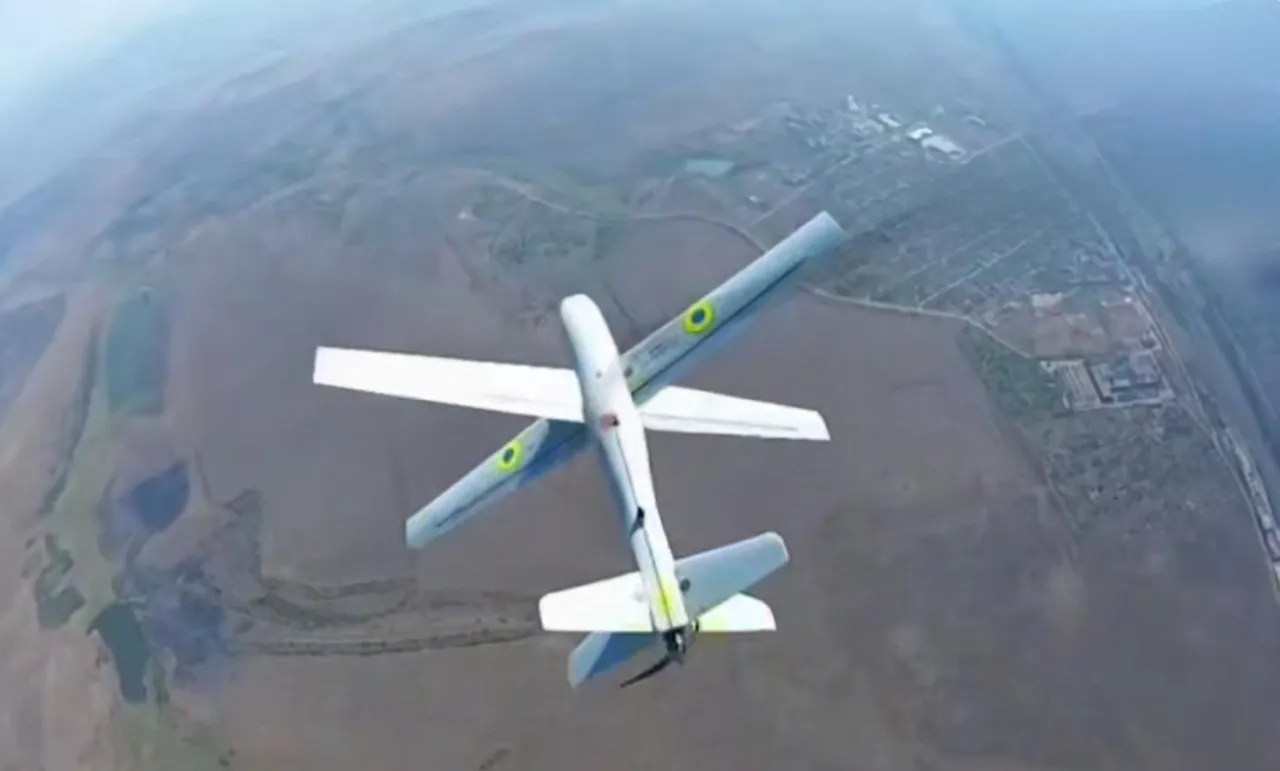
It is often paired with reconnaissance drones such as the Shark UAV developed by Ukrspecsystems, creating a combined sensor-strike system.
This pairing demonstrates Ukraine’s iterative approach: integrating reconnaissance, targeting and strike into a mobile drone ecosystem.
SeaBaby — Maritime Strike Drone
The drone war is not limited to the air.
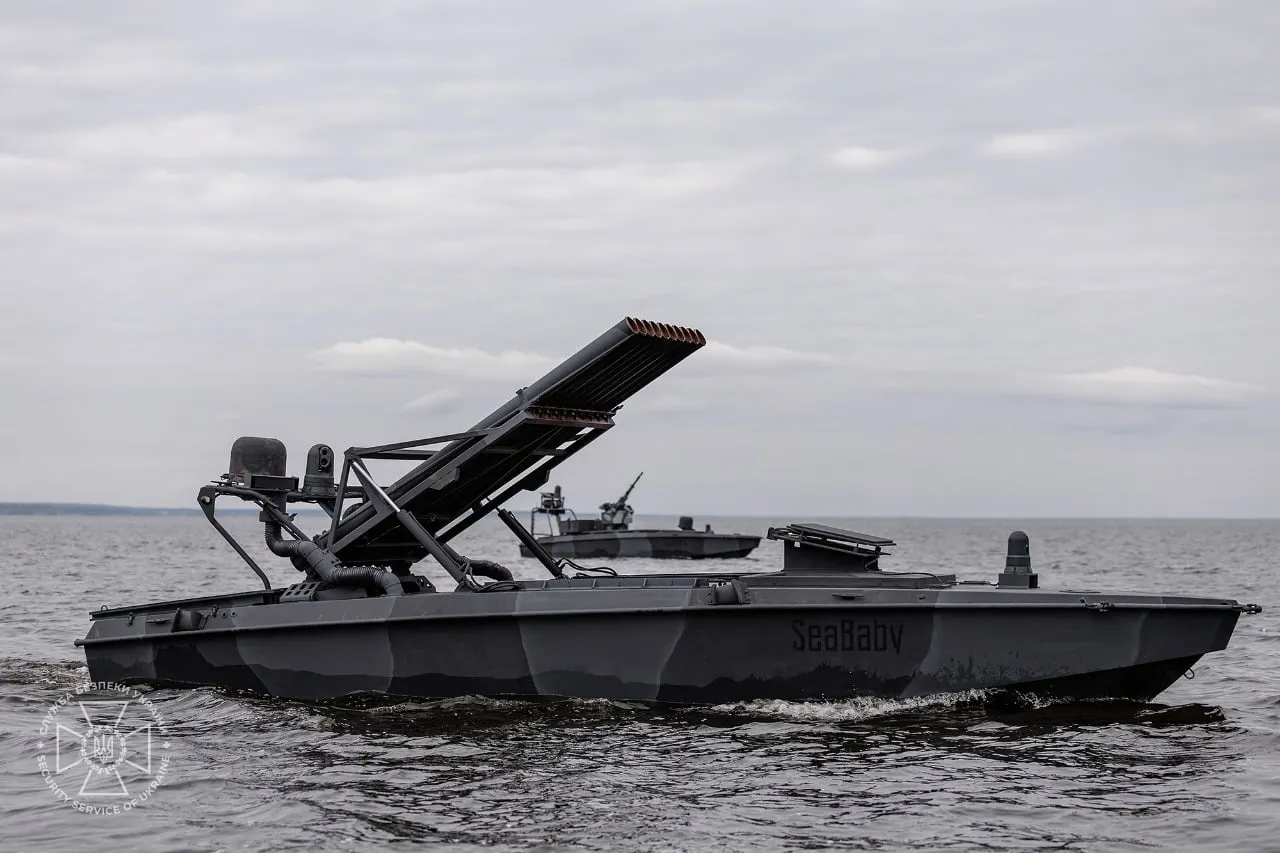
Ukraine has also developed maritime unmanned systems like the SeaBaby unmanned surface vehicle (USV).
SeaBaby is designed for long-range maritime strike missions in the Black Sea.
Carrying a large explosive payload and guided via satellite communications, the drone can travel long distances to attack warships or infrastructure.
SeaBaby operations have reportedly forced Russia’s Black Sea Fleet to relocate ships and alter operational patterns, highlighting how relatively inexpensive unmanned systems can reshape naval warfare.
The platform demonstrates Ukraine’s ability to compensate for conventional naval disadvantages through unmanned innovation.
Geran-2 / Shahed-136 — Russia’s Mass-Produced Drone
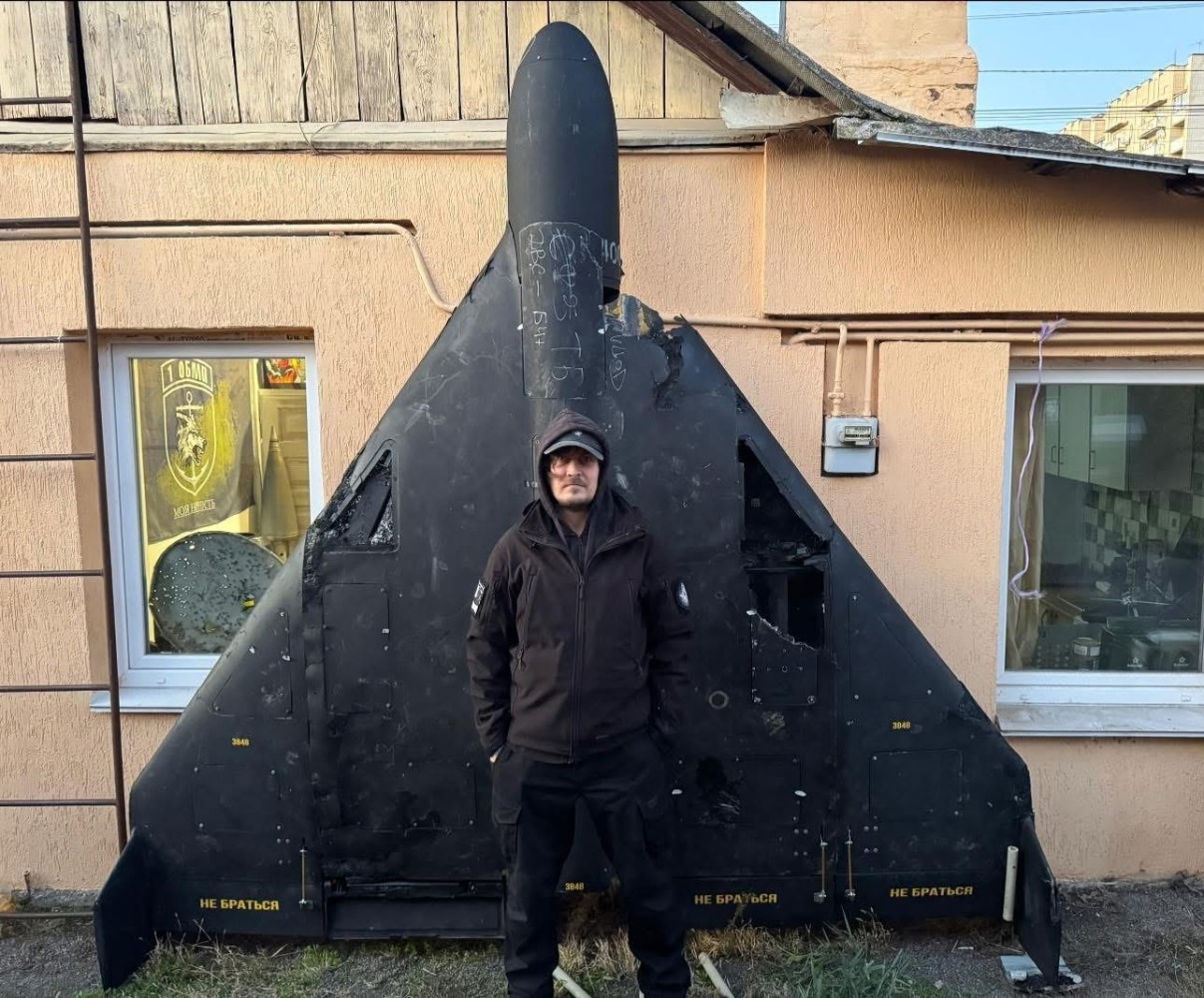
At the center of Russia’s drone strategy is the Geran-2, the Russian designation for the Iranian-designed Shahed-136.
Unlike Ukraine’s more technologically experimental systems, the Geran-2 emphasizes simplicity and mass production.
The drone has a maximum range of around 2,500 kilometers and carries a warhead of up to 90 kilograms.
Russia launches these drones in large coordinated salvos — sometimes hundreds at once — to overwhelm air defenses.
Despite relatively basic technology, the strategy of volume over sophistication has made Geran-2 a defining weapon of the conflict.
The drone war is accelerating
The six systems illustrate how rapidly drone warfare is evolving.
Ukraine fields millions of low-cost FPV drones, reportedly procuring up to 4.5 million units in 2025 alone, turning drones into a kind of expendable battlefield commodity.
Meanwhile, long-range strike systems and maritime drones are expanding the battlefield far beyond the front line.
The result is a new form of warfare where software, sensors and mass production matter as much as traditional weapons.
The drone war is no longer experimental.
It is industrial.