The Drone Is Visible. Its Most Critical Weapon Isn’t: ZeroPhase Bets on the Link That Keeps Machines Alive
Everyone wants to build the drone.
Far fewer companies want to solve the problem that determines whether that drone remains useful when the battlefield fights back: the connection.
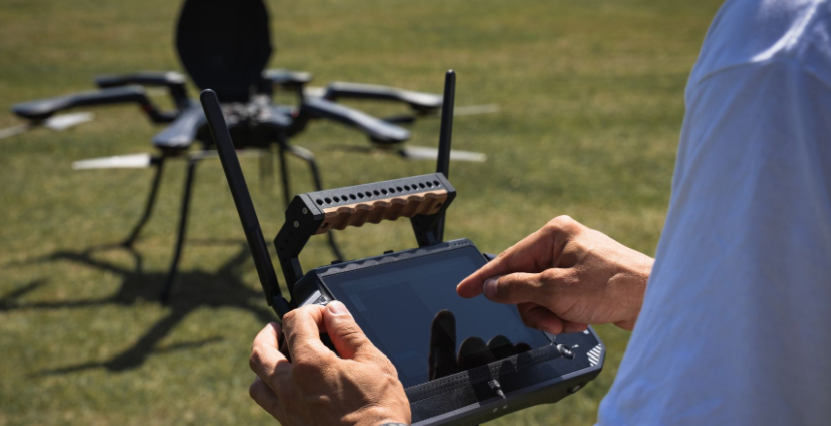
Munich-based ZeroPhase is betting that the future of unmanned systems will be decided as much by radios and signal processing as by airframes, payloads and autonomy.
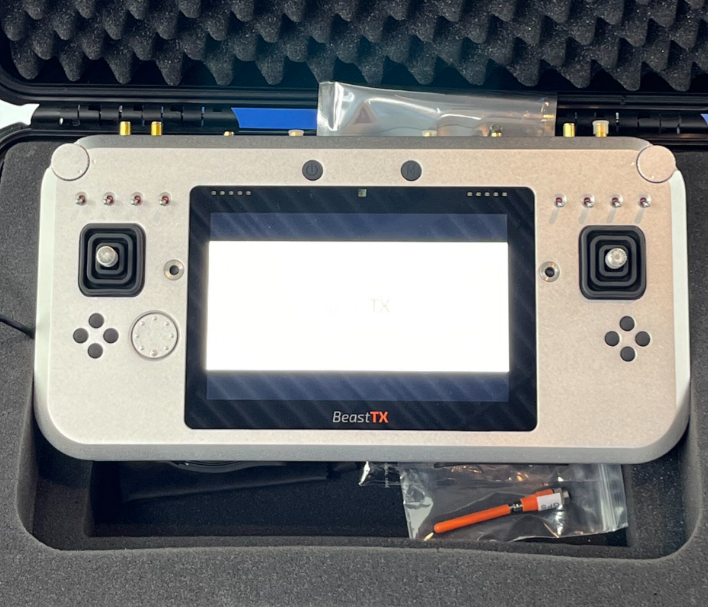
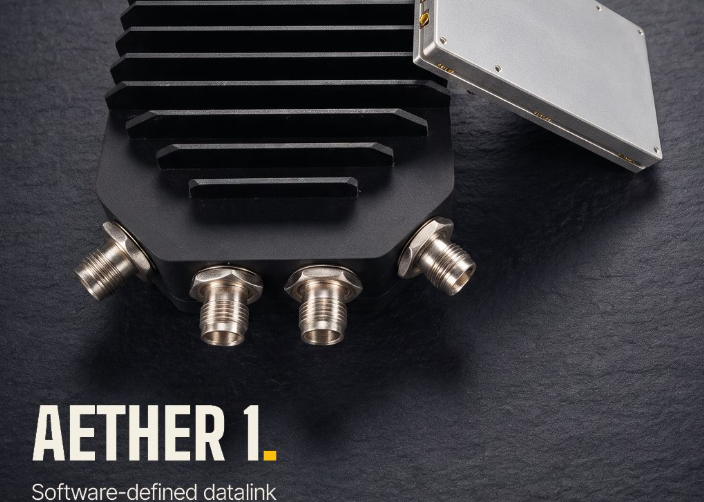
Its Aether 1 is a software-defined communications system designed for unmanned platforms. The company claims more than 100 kilometres line-of-sight range, two independent RF chains for interference resilience, relay capability and positioning support for GNSS-degraded environments. The airborne unit has a reported 50-gram, credit-card-sized footprint.
Those specifications point toward a bigger battlefield problem.
A drone can have extraordinary sensors. It can fly farther, process more data and carry increasingly sophisticated payloads. But if interference breaks the command-and-control link or prevents information from reaching the operator, much of that sophistication can quickly lose value.
The datalink is the drone's invisible nervous system.
For ZeroPhase, that argument did not begin as marketing copy.
The company says its radio and signal-processing research predates ZeroPhase itself. In 2022, early radios were sent to operators in Ukraine, beginning a development cycle in which field experience was fed back into the technology. The company now says its communications technology has supported thousands of missions.
Investor Omnes Capital, which participated in ZeroPhase's €5.8 million seed round, similarly said in December 2025 that the technology was operating daily in Ukraine across thousands of unmanned missions, including under electronic attack and degraded network conditions.
That battlefield feedback matters because communications rarely fail under laboratory conditions.
They fail when distance reduces the link margin, terrain blocks line of sight, aircraft orientation changes and the electromagnetic spectrum becomes congested or contested. Aether 1 is designed around these variables as one interconnected systems problem rather than treating range, interference resistance and relay functionality separately.
The architecture also points toward something larger than connecting one pilot with one aircraft.
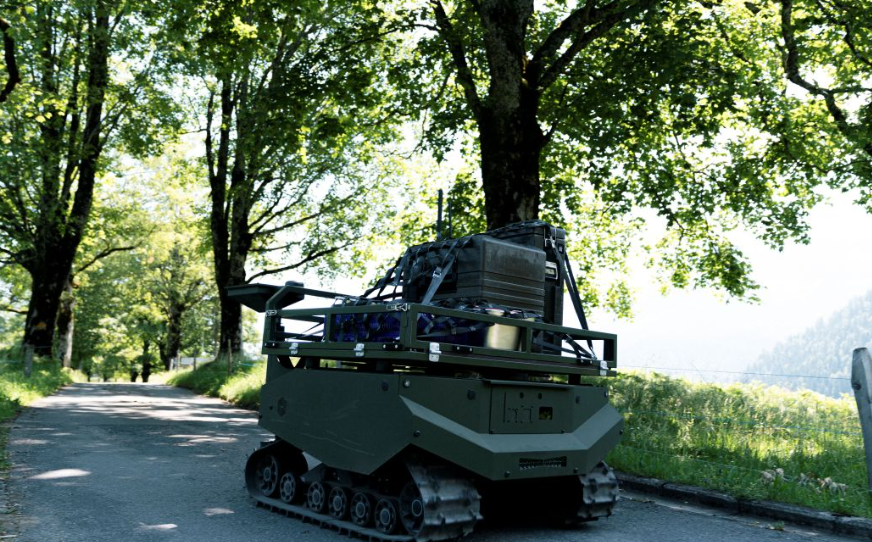
ZeroPhase describes mesh configurations in which multiple aircraft and ground units can form a self-healing network and relay communications around a node that disappears. It also markets the technology for infrastructure inspection and emergency response where conventional networks may be unavailable.
That dual-use ambition is significant.
Ukraine has become an accelerated proving ground for defence technology. But the underlying communications problem is hardly unique to war. Power grids, railways, pipelines, emergency responders and long-range unmanned inspection systems can all encounter the same fundamental requirement:
keep the machine connected when infrastructure cannot be trusted.
Then there is sovereignty.
Every Aether 1, according to ZeroPhase, is designed and manufactured in Germany. The company explicitly describes its technology as sovereign connectivity, positioning communications not simply as another drone component but as infrastructure Europe should control itself.
That argument arrives at an important moment.
Europe is investing heavily in drones, robotics and autonomous systems. But strategic autonomy will mean little if the critical communications layer underneath those platforms remains dependent on technologies Europe cannot fully control.
Perhaps the next competition in unmanned warfare will therefore not be about who builds the best drone.
It will be about who still has a connection when everyone else has lost theirs.