Patriots, SCALPs, and the New Air War. Ukraine's Shield Is Getting Stronger
In modern warfare, victories are no longer measured solely by territory captured or lost. Increasingly, they are determined by who controls the skies, who can protect their cities, and who can sustain military operations under relentless missile attacks.
This is why the latest announcements from Kyiv matter far beyond a routine weapons delivery.
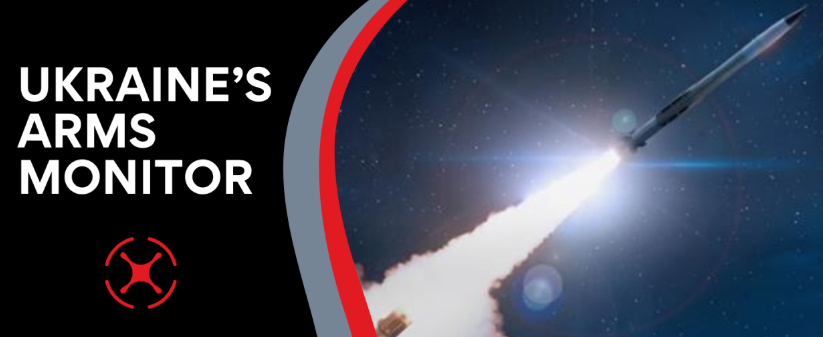
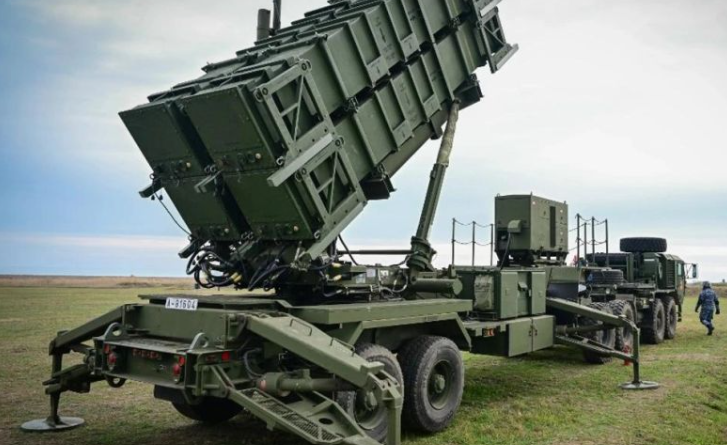
President Volodymyr Zelensky revealed that Ukraine has received additional Patriot interceptor missiles, new Crotale air defense systems and missiles, AIM missiles, and confirmation from the United Kingdom and France regarding additional SCALP long-range missile capabilities. Individually, each development matters. Together, they signal something larger: Ukraine and its partners are preparing for the next phase of the conflict.
The timing is not accidental.
Ukraine is entering another winter campaign while facing an intense wave of missile and drone attacks. Civilian infrastructure, energy facilities, logistics hubs, and major cities remain constant targets. Every additional interceptor missile represents another opportunity to stop a missile before it reaches an apartment building, a power plant, or a crowded urban center.
In that sense, Patriot missiles are more than military assets.
They are strategic insurance policies.
For months, military analysts have pointed to air defense as one of Ukraine's most critical requirements. Modern wars are increasingly defined by the ability to absorb attacks while maintaining economic activity and public morale. A city that stays operational despite repeated strikes achieves something strategically important: resilience.
And resilience has become a weapon of its own.
Yet the announcement was not only about defense.
The confirmation regarding SCALP long-range missiles may prove equally significant. While Patriot systems strengthen Ukraine's shield, SCALP missiles contribute to its ability to hold military targets at risk far beyond the immediate battlefield.
This combination reflects a broader shift occurring across modern warfare.
Nations no longer seek only to defend themselves from attack. They must also possess the ability to impose costs on an adversary. Defense and deterrence increasingly operate as two sides of the same equation.
A shield without reach eventually comes under pressure.
Reach without protection becomes vulnerable.
Successful military strategies require both.
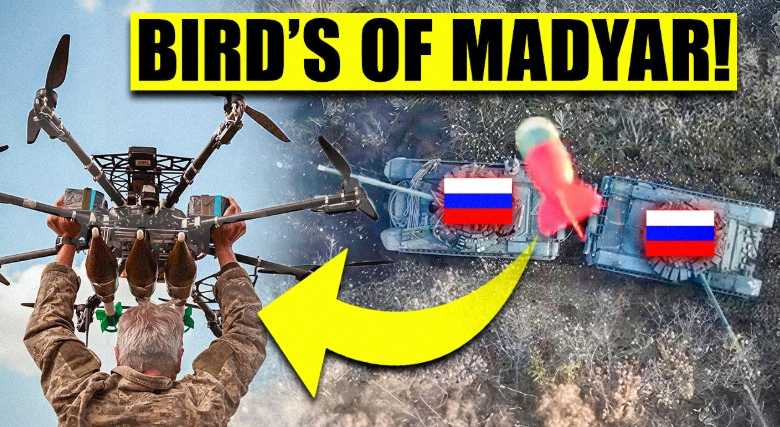
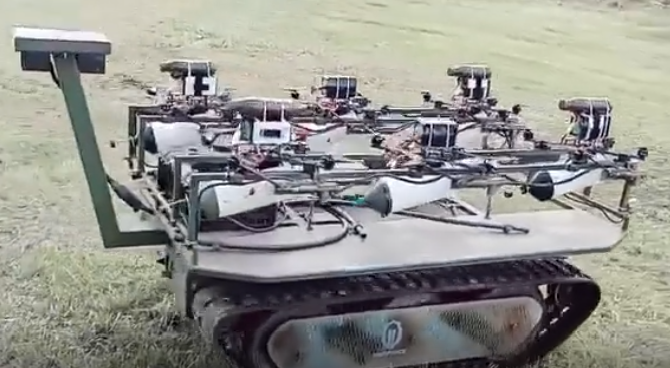
The rapid evolution of drone warfare has made this reality even more pronounced. Cheap unmanned systems can create strategic effects once associated with much larger military formations. Missile attacks can now be coordinated with drone swarms, electronic warfare, cyber operations, and information campaigns. The battlefield extends far beyond trenches and front lines.
This is why air defense has become one of the defining technologies of the twenty-first century.
Every missile intercepted saves lives.
Every successful defense helps preserve national confidence.
Every failed attack forces an adversary to spend increasingly scarce resources.
The announcement also highlights something often overlooked in discussions about military support: wars are also industrial competitions.
Missiles destroyed in combat must be replaced.
Air defense systems require maintenance.
Production lines require investment.
Licenses must be approved.
Supply chains must remain operational.
When Zelensky referenced British support for missile production and French decisions regarding licenses, he underscored a reality frequently hidden behind headlines: military power starts in factories long before it appears on a battlefield.
The countries capable of producing sophisticated systems at scale will shape the balance of power in the coming decades.
For Ukraine, the latest deliveries provide both practical military value and political reassurance. They demonstrate that key partners continue to invest in Ukraine's ability to defend itself despite growing pressure on defense budgets and competing global crises.
More importantly, they send a message.
Wars are fought not only with weapons but with perceptions. Every delivery signals commitment. Every new system demonstrates strategic intent. Every announcement shapes expectations in capitals across Europe and beyond.
Whether these new capabilities will significantly alter the trajectory of the conflict remains to be seen. But one conclusion is already difficult to dispute.
The battle for Ukraine is increasingly becoming a contest of technology, production capacity, and endurance.
And in that contest, Patriots, Crotales, AIM missiles, and SCALPs are not simply weapons.
They are symbols of a broader reality.
The future of warfare belongs to those who can build, protect, adapt, and innovate faster than their opponents.