When the Forest Starts Burning, EVE Should Already Be in the Sky
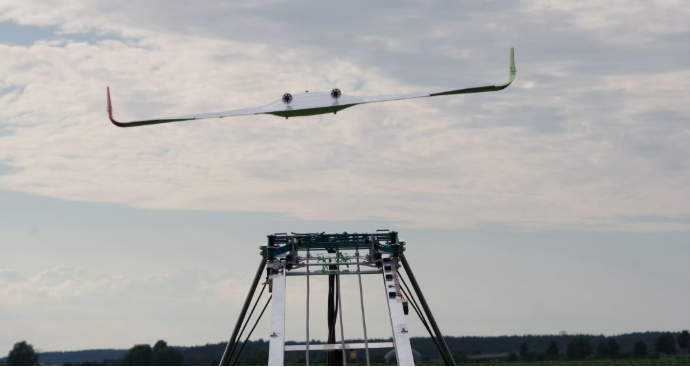
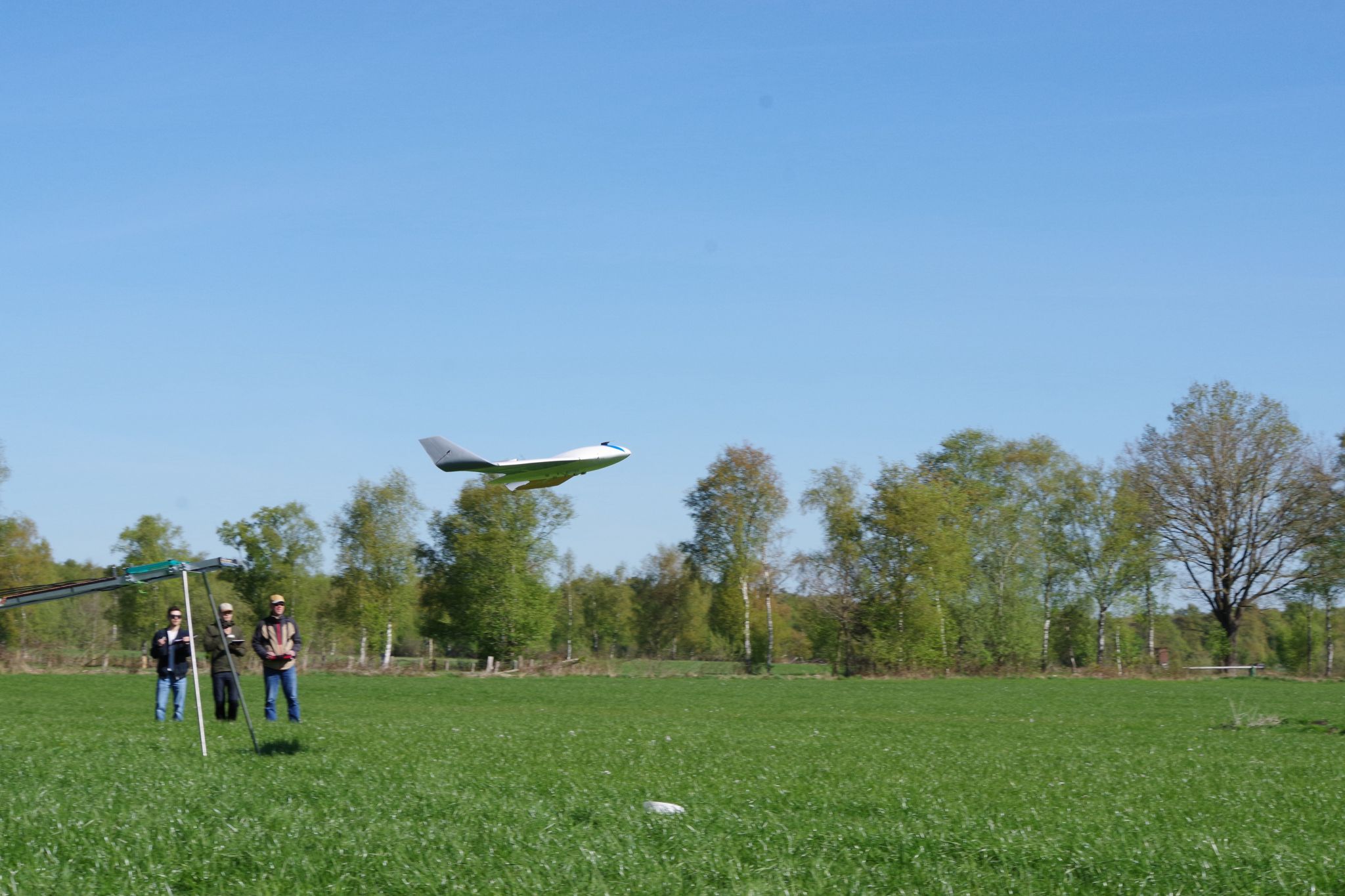
Some of the latest images from Project EAGLES look almost too perfect to be real.
The atmosphere, lighting and futuristic aircraft could easily be mistaken for a high-end 3D rendering. But the images are real, and so is EVE: a striking unmanned aerial vehicle prototype being developed for the early detection of wildfires.
Behind the visual impact is a serious mission.
Wildfires can grow from a small, localised incident into a major environmental disaster in a very short time. Once flames spread across dry vegetation, strong winds and difficult terrain can make conventional firefighting extremely dangerous and expensive.
In many cases, the most valuable resource is not another fire engine or aircraft.
It is time.
Detecting smoke, heat or unusual environmental conditions earlier can give emergency teams the opportunity to investigate and respond before a fire becomes impossible to control. This is the role Project EAGLES wants EVE to support.
The UAV prototype is designed as an aerial-monitoring platform that could help observe large or hard-to-reach areas from above. By combining drone technology with remote sensing and potentially intelligent data analysis, systems like EVE could provide emergency services with faster and more detailed information.
That could include identifying possible fire locations, monitoring the direction in which smoke is moving and supporting decisions about where personnel and equipment should be deployed.
The project also reflects a wider change in disaster response.
For decades, wildfire monitoring has relied on lookout towers, patrols, satellites, crewed aircraft and reports from the public. These methods remain important, but each has limitations.
Satellites cover huge areas, yet their observation intervals and image resolution may not always provide the immediate local detail needed. Crewed aircraft can deliver excellent information, but they are expensive to operate and may expose pilots to dangerous conditions. Ground teams can investigate accurately, but reaching remote terrain takes time.
A UAV can potentially fill the gap between these systems.
It can operate closer to the affected area than a satellite, cover more ground than a human patrol and avoid putting a pilot directly into hazardous airspace. It may also remain in operation for repeated monitoring, giving emergency teams an updated view of how a situation is developing.
However, the value of EVE will depend on more than its appearance or flight performance.
For an early-warning platform to become operationally useful, it must detect relevant signals reliably and minimise false alarms. Emergency services need clear, actionable information—not simply large volumes of images.
The aircraft must also work in demanding conditions. Wildfire environments can include strong winds, smoke, heat, poor visibility and limited communication coverage. A successful platform will need reliable navigation, robust data links and sensors capable of producing useful information when conditions are far from ideal.
Integration will be equally important.
The biggest impact will come when aerial data can be shared quickly with fire brigades, emergency-control centres and other response teams. Information must arrive in a form that fits existing workflows and helps people make faster decisions.
This is why Project EAGLES is more than an aerospace experiment.
It brings together drone engineering, environmental monitoring, remote sensing and emergency response. It also demonstrates how universities and technology partners can work on practical tools for climate-related risks.
The announcement that another innovative partner will soon join the mission suggests that the project is continuing to expand. New partners could strengthen areas such as sensors, artificial intelligence, communications, flight testing or operational integration.
EVE may currently be a prototype and a photo model, but the problem it addresses is already urgent.
As wildfires become more frequent and more destructive in many regions, emergency services need technologies that improve awareness before a crisis becomes uncontrollable.
The future of firefighting may not begin when the first fire engine arrives.
It may begin much earlier—when a silent aircraft detects the first signs of danger from above.