When a Navy Can't Win at Sea, It Targets the Sailors

The Black Sea has become one of the world's most closely watched maritime battlegrounds—not only because of naval operations, but because of what they mean for global trade, food security and civilian shipping.
Recent reports describing attacks on merchant vessels approaching Ukraine's ports raise broader questions about how modern maritime conflict is evolving.
For much of naval history, blockades relied on fleets physically controlling sea lanes. Warships intercepted commercial vessels, enforced exclusion zones and projected naval superiority through direct presence.
The situation in the Black Sea increasingly looks different.
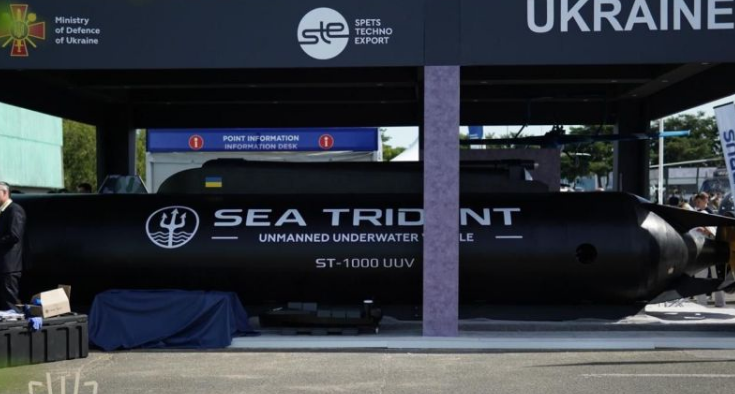
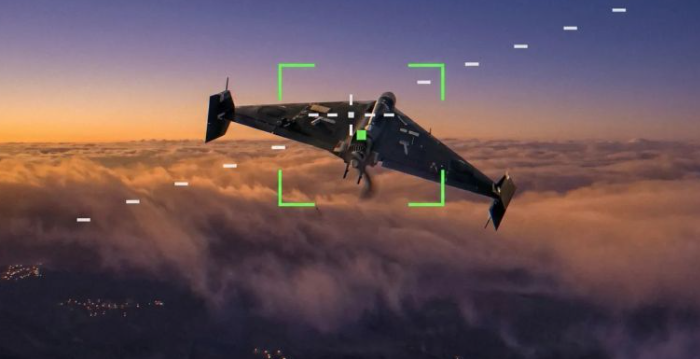
Following Ukraine's extensive use of sea drones, anti-ship missiles and other asymmetric capabilities, Russia's ability to operate freely across large parts of the western Black Sea has been significantly challenged. While Russia retains substantial naval capabilities, analysts widely agree that the operational environment has changed dramatically compared with the early stages of the full-scale invasion.
This shift has strategic consequences.
When naval dominance becomes more difficult to maintain through traditional surface operations, pressure may increasingly move toward the commercial shipping ecosystem itself.
Merchant shipping represents more than cargo.
It represents insurance markets.
Port confidence.
International logistics.
Global commodity prices.
Crew willingness to sail into high-risk waters.
Every disruption affects far more than a single vessel.
According to recent reports, several civilian cargo ships approaching Ukraine's Odesa region were struck during a single night, resulting in casualties among multinational merchant crews. Such incidents highlight the vulnerability of civilian shipping operating near active conflict zones.
Regardless of individual attribution claims, attacks involving commercial vessels inevitably generate international attention because the crews themselves are typically composed of civilians from many different countries.
The Black Sea grain corridor has become one of Ukraine's most strategically important economic lifelines.
Since alternative export routes remain more limited and expensive, maritime trade continues to play a central role in maintaining agricultural exports that support numerous international markets.
Grain shipments from Ukraine affect food prices well beyond Europe.
Many countries across Africa, the Middle East and Asia rely heavily on Black Sea agricultural exports.
Consequently, disruptions extend beyond regional military considerations.
They become global economic events.
Another important aspect concerns perception.
Modern conflicts are fought simultaneously in the information domain.
International audiences observe not only battlefield developments but also how military operations affect civilians, neutral shipping and international commerce.
For governments seeking diplomatic support across the Global South, incidents involving civilian merchant vessels may influence political narratives as much as military developments.
Maritime insurance also plays a decisive role.
Shipping companies constantly evaluate operational risk.
Higher insurance premiums, increased security costs and uncertainty surrounding sea routes can gradually reduce commercial traffic even if ports technically remain open.
In this sense, economic pressure may emerge without a formal naval blockade.
The result is a more complex form of maritime competition.
Instead of measuring success solely by ships sunk or ports captured, analysts increasingly examine whether commercial shipping continues operating, whether insurers maintain coverage and whether international confidence in maritime trade remains intact.
The Black Sea demonstrates that naval warfare has expanded beyond fleets alone.
Today it also involves drones, missiles, cyber capabilities, insurance markets, commercial shipping companies and international supply chains.
Control of the sea is no longer determined only by who commands the largest navy.
Increasingly, it is determined by who can keep global commerce moving despite the conflict.
.jpg)