Ukrainian Analysis: Europe's Weapons Aren't Weak. They're Too Slow.
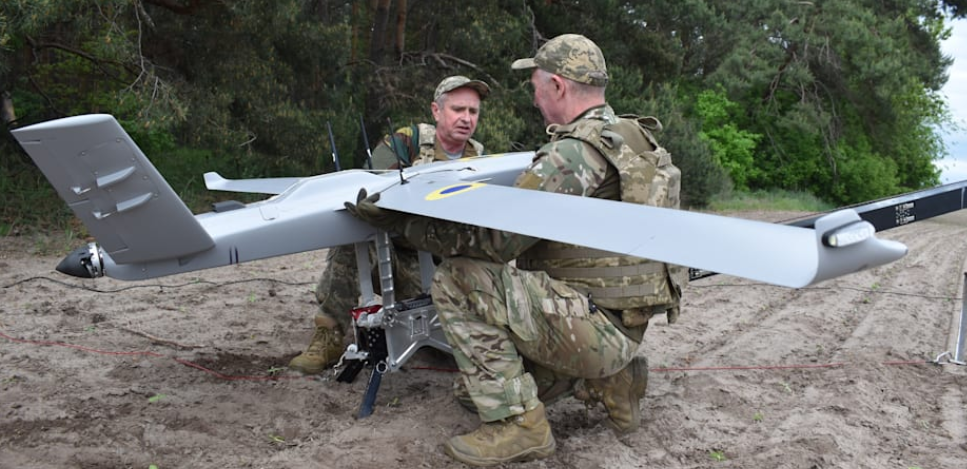
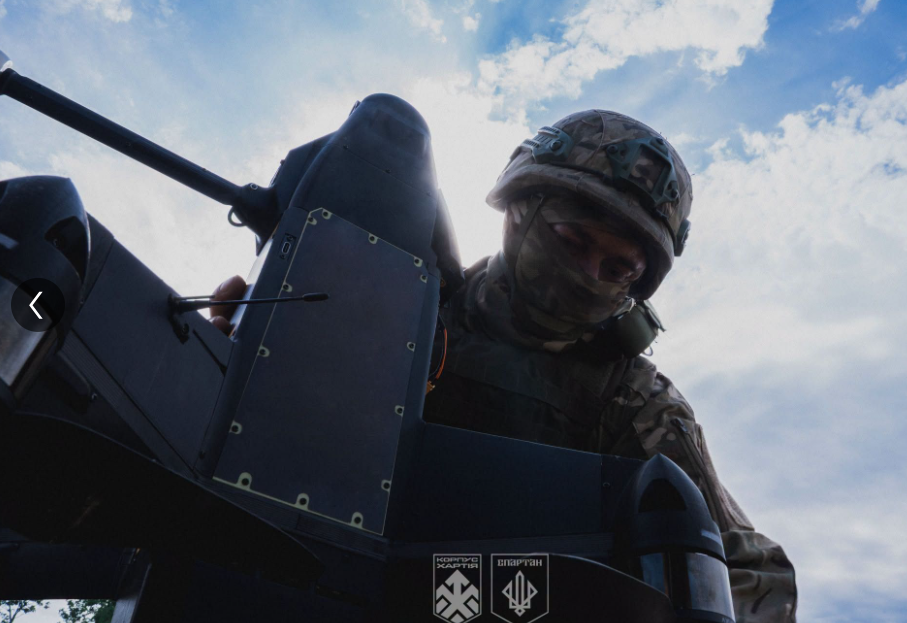
In a forest near Dnipro, a reconnaissance drone lifts off into the morning sky. Weeks earlier, it left a factory floor in Wales. Within weeks, it could already be obsolete.
Not because it failed.
Not because it was poorly designed.
But because the battlefield changed faster than the engineers could adapt.
Welcome to the new age of warfare, where the most important weapon is no longer a missile, a tank, or a fighter jet.
It is speed.
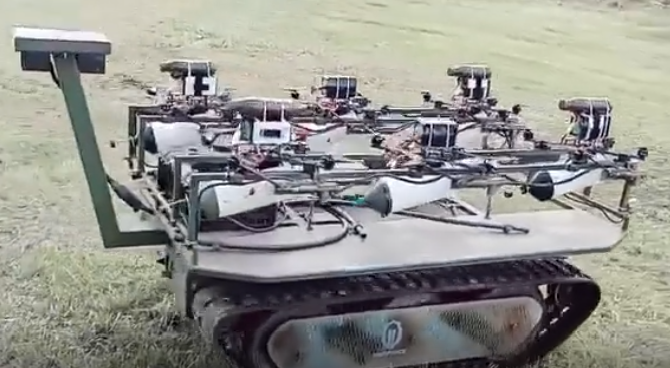
The war in Ukraine has become the world's largest laboratory for military innovation. Every day, drones hunt tanks. Artificial intelligence assists targeting decisions. Electronic warfare units jam enemy communications. New countermeasures emerge almost as quickly as the technologies they are designed to defeat.
The pace is relentless.
A drone that dominates the battlefield in January may become vulnerable by March. A communication system considered secure this month might be compromised next month. Success increasingly depends not on building the best system but on building the next system before the enemy does.
And that is where Europe faces a serious problem.
For decades, European defense industries optimized for precision, reliability, and perfection. Massive programs stretched over years, sometimes decades. Costs increased. Complex requirements multiplied. Procurement processes grew longer and more bureaucratic.
The result was some of the most advanced military equipment ever produced.
But the battlefield of Ukraine is exposing a dangerous weakness in that model.
Modern conflict rewards adaptability over perfection.
A military that can rapidly improve a drone ten times may outperform one that spends ten years creating a perfect drone. A force deploying thousands of inexpensive systems can overwhelm opponents relying on a small number of exquisite but costly assets.
The logic of industrial-age warfare is colliding with the realities of the digital age.
Ukraine understands this instinctively.
Its engineers operate with the mindset of software developers rather than traditional defense contractors. Products are tested quickly, modified immediately, and redeployed at remarkable speed. Feedback cycles that might take years in conventional procurement happen within days or weeks.
This approach is not about lowering standards.
It is about accepting an uncomfortable truth.
Perfection arrives too late.
The battlefield does not wait for final approval meetings, procurement committees, or multi-year certification programs. It evolves continuously. Technologies succeed, fail, and adapt in real time.
The winners are those who learn fastest.
This lesson extends beyond defense.
The same principle is reshaping industries from artificial intelligence to robotics, cybersecurity, manufacturing, and aerospace. Markets move faster. Competitors adapt faster. Customers change expectations faster.
Speed has become a strategic advantage.
And increasingly, speed itself is becoming a product.
For Europe, the implications are profound.
The continent does not lack engineering talent. It does not lack technological expertise. It does not lack industrial capability.
What it lacks is tempo.
The future belongs to organizations capable of combining innovation with rapid execution. Those able to experiment, learn, fail, improve, and deploy again before competitors can react.
The Ukraine war is not merely teaching military lessons.
It is revealing a broader reality about the twenty-first century.
Power is no longer measured only by what you build.
It is measured by how quickly you can change what you build.
That may be the most important lesson emerging from the forests around Dnipro.
And perhaps the most uncomfortable one for Europe.
Because in the battles of the future, the question will not be who has the most advanced technology.
The question will be who can reinvent it first.