The Death of Top Gun - Ukraine Ushers in the Age of Interceptor Drones

For more than a century, air superiority was synonymous with pilots in cockpits. Leather jackets. Oxygen masks. Human reflexes measured in fractions of a second.
Ukraine may have just ended that era.
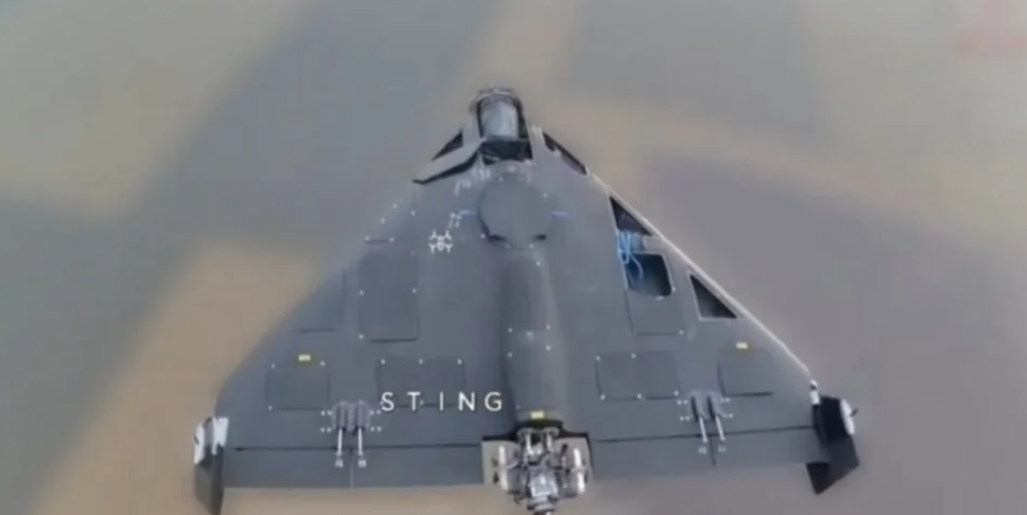
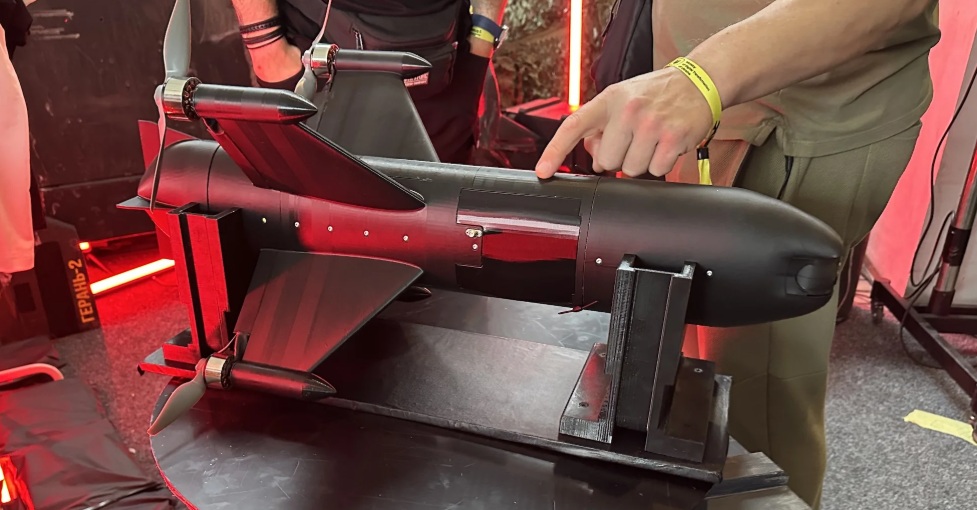
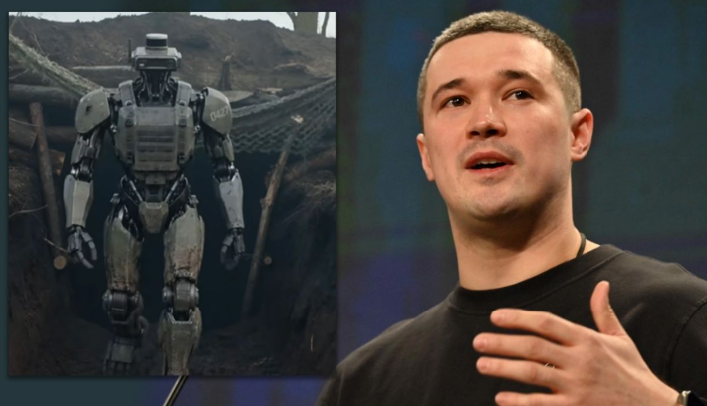
This month, Ukraine became the first country in the world to systematically scale remotely operated interceptor drones, capable of destroying aerial targets while being piloted from secure bunkers hundreds or even thousands of kilometers away, according to Defense Minister Mykhailo Fedorov.
In confirmed combat conditions, Ukrainian operators are downing enemy aerial threats without ever approaching the front line. No pilots scrambling under fire. No runways to defend. No risk of capture. The fighter pilot, as a frontline combatant, is rapidly becoming optional.
“A year ago, through Brave1, we initiated the development and testing of remote‑control technology for interceptor drones,” Fedorov wrote. “Today, we have a confirmed result — shooting down targets at distances of hundreds and thousands of kilometers”.
The capability represents more than an incremental upgrade. It is a structural break in air defense doctrine.
The system allows interceptor drones to be guided from protected environments in Kyiv, Lviv, or even abroad, untethering air defense operations from geography altogether. The drone may be in the sky over northern Ukraine; the operator could be hundreds of miles away, beyond the reach of missiles, artillery, or electronic attack at the launch site.
Ukraine’s interceptor program is being developed under Brave1, a government‑backed defense innovation platform designed to compress development timelines and rapidly move battlefield innovations into production. According to Fedorov, more than 10 Ukrainian defense manufacturers have already integrated the long‑range remote‑control capability into their interceptor systems.
In one widely cited demonstration earlier this month, a Ukrainian company carried out a remote interceptor flight covering more than 1,240 miles (2,000 kilometers), proving that long‑distance command and control is viable at scale.
The implications are hard to overstate.
Traditional air defense relies on expensive missile interceptors and fixed infrastructure—both vulnerable and finite. Ukraine’s approach reframes air defense as a distributed, software‑driven problem, where low‑cost drones intercept low‑cost threats, and human operators are shielded entirely from physical harm.
Remote control also solves one of warfare’s hardest constraints: manpower risk.
“This increases interception efficiency, minimizes risks for operators, and allows capabilities to scale without being tied to the front,” Fedorov said.
For a country under sustained aerial attack, that matters. Ukrainian officials have repeatedly emphasized that conventional missile‑based air defense, while effective, is costly and difficult to replenish. Interceptor drones shift the cost curve—and now, with remote operation, remove human exposure almost entirely.
The shift also raises uncomfortable questions for legacy air power. If drones can dogfight, intercept, and destroy targets while being flown from hardened bunkers—or from another country altogether—what role remains for manned fighter aviation in contested skies?
Ukraine’s defense ministry is careful not to publish technical specifics, and the exact engagement conditions for each interception remain undisclosed. But the direction of travel is unmistakable: air combat is being decoupled from human presence in the aircraft.
Top Gun was about daring pilots pushing the limits of man and machine.
Ukraine’s new doctrine suggests the future belongs to something colder—and far more survivable.
In the skies above modern battlefields, the cockpit may already be obsolete.