The Operation Nobody Saw Coming: How Trust, Secrecy, and Young Commanders Rewrote the Rules of War

For nearly five months, it was hidden in plain sight.
No massive troop buildup. No dramatic announcements. No social media hints. No obvious signs of an impending offensive. While analysts debated front-line developments and mapped every trench, a different battle was unfolding behind the scenes.
When Operation Vivaldi finally emerged, it revealed more than a successful military campaign.
It exposed a revolution in military thinking.
And according to those involved, the most important weapon wasn't a missile, tank, or drone.
It was trust.
Trust as a Combat Multiplier
Military organizations traditionally rely on strict hierarchies and centralized decision-making. Orders flow downward. Information flows upward. Initiative often gets trapped somewhere in between.
Operation Vivaldi appears to have challenged that model.
Its architects attributed success to the implementation of Mission Command, a philosophy that empowers leaders closest to the battlefield to make decisions independently while senior commanders focus on broader operational goals.
The corps level reportedly concentrated on disrupting enemy logistics deep behind the front line rather than micromanaging tactical actions on the ground.
The result was faster decision-making, greater flexibility, and commanders who could adapt to realities on the battlefield without waiting for permission from distant headquarters.
In a war increasingly defined by speed, that advantage can be decisive.
As one military official reportedly stated:
"What especially sets us apart from other organisations is precisely this new military culture. We completely trust our personnel and our commanders."
That statement may prove to be one of the most significant lessons of the campaign.
Winning Before the Battle Begins
Every successful operation starts long before the first shot is fired.
Operation Vivaldi's second major achievement was secrecy.
In the age of smartphones, satellites, drones, and social media, operational secrecy has become extraordinarily difficult to maintain. Every movement leaves a digital footprint. Every soldier carries a device. Every analyst seeks the next viral revelation.
Yet planners reportedly managed to conceal critical preparations for nearly five months.
One reason was surprisingly simple.
There was no large, newly assembled offensive force.
Military planners understood that creating a separate strike grouping would generate electronic signatures, communications patterns, and observable activity. Instead, preparations remained dispersed, reducing the indicators analysts typically monitor.
Even more remarkable was the reported cooperation between Ukrainian and Western open-source intelligence communities, many of whom delayed publishing changes that could compromise operational security.
The result was strategic surprise in an era that many believed had made surprise impossible.
The Rise of a New Officer Class
Military history is often shaped by generations.
Old wars are fought by old ideas.
New wars belong to those willing to challenge them.
One of the most striking aspects of Operation Vivaldi was the emphasis placed on younger officers and non-commissioned leaders who rose through wartime experience rather than peacetime bureaucracy.
According to participants, talented younger personnel have increasingly been entrusted with responsibilities traditionally reserved for officers with decades of service.
This reflects a broader transformation occurring across modern militaries.
Competence is becoming more valuable than seniority.
Results matter more than rank.
In fast-moving conflicts driven by technology, adaptation often outruns tradition.
The battlefield promotes innovators.
The office promotes administrators.
Operation Vivaldi appears to have favored the former.
Even Tanks Must Evolve
Another lesson challenges one of warfare's oldest assumptions.
Armor is not disappearing.
But using it is becoming dramatically more complex.
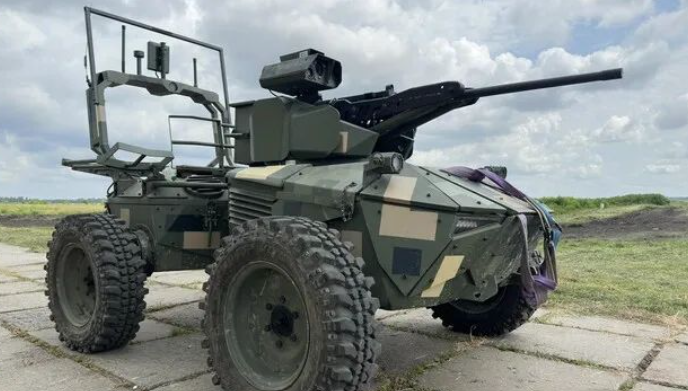
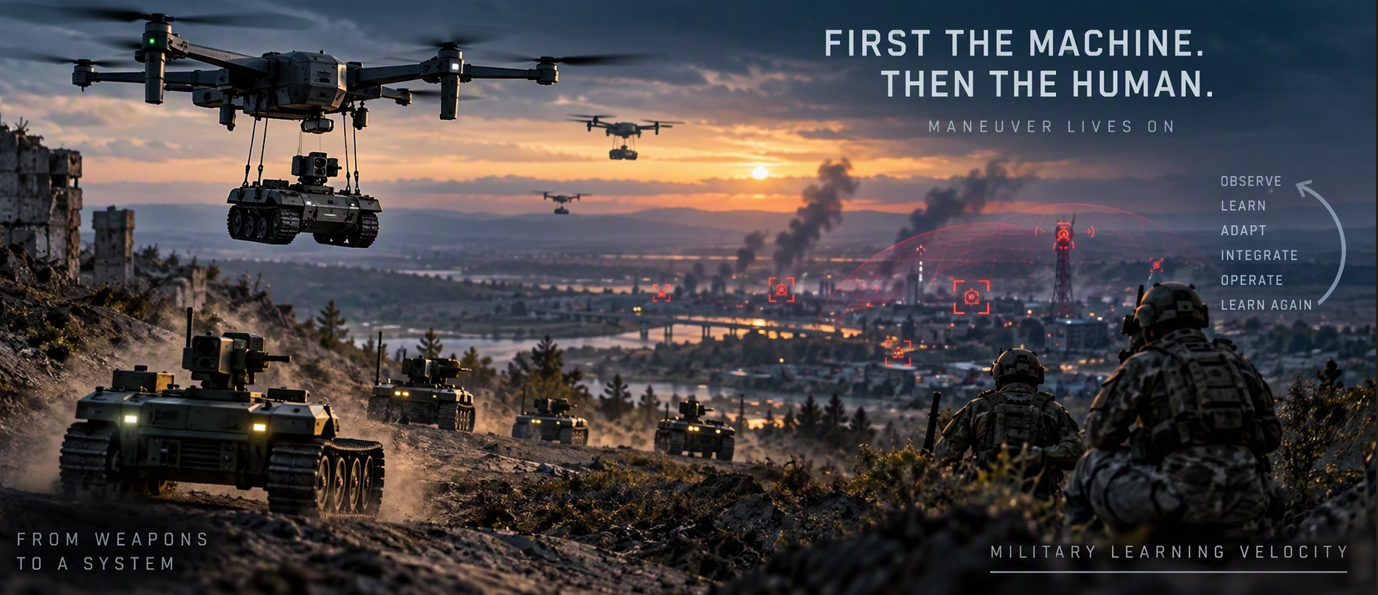
Commanders noted that deploying armored vehicles in the current battlefield environment has become increasingly risky due to pervasive surveillance, drones, precision-guided munitions, and long-range strike capabilities.
What was once a routine maneuver now requires levels of planning that resemble special operations.
The tank is not dead.
But its freedom of movement certainly is.
The Larger Message
The most provocative conclusion from Operation Vivaldi is not about territory.
Official assessments and opposing claims vary significantly regarding the extent of liberated land.
Yet focusing only on maps may miss the bigger story.
The operation demonstrated that modern warfare is increasingly shaped by organizational culture rather than raw numbers alone.
Trust can outperform bureaucracy.
Secrecy can defeat transparency.
Initiative can outrun hierarchy.
And young leaders empowered to act can achieve results that rigid command structures struggle to match.
For decades, military power was measured by how many soldiers, tanks, and guns an army possessed.
Operation Vivaldi suggests a different metric may now matter more:
How quickly can an organization think, adapt, and trust its own people?
That may be the most important battlefield of all.