The Dangerous Idea Behind “Russia Mustn’t Lose”

One argument has repeatedly surfaced whenever the future of Russia is discussed.
The empire may be flawed. The regime may be aggressive. The leadership may be authoritarian.
But whatever happens, Russia must not be allowed to weaken, fragment, or lose.
It is a powerful argument because it appeals to fear. Not hope. Not democracy. Not self-determination. Fear.
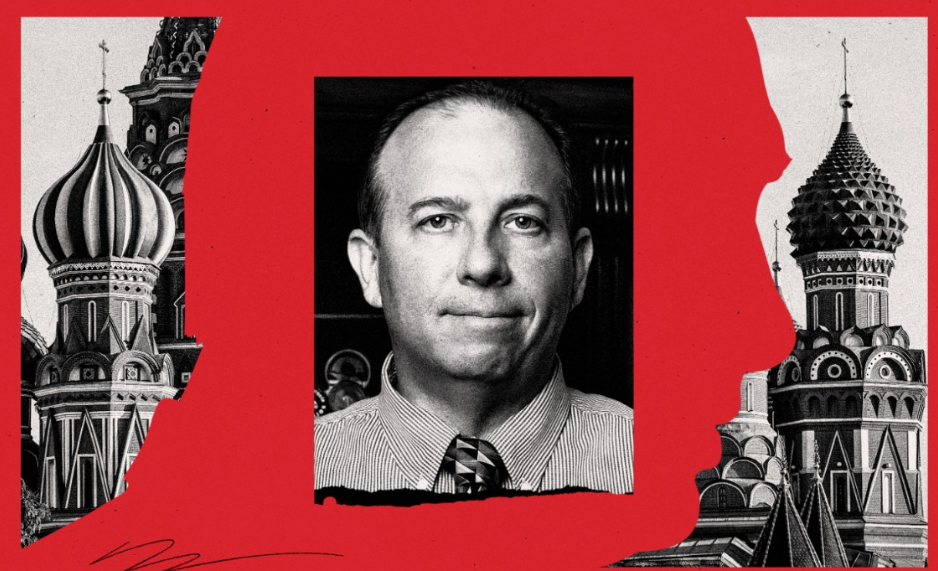
And according to growing critics, that argument has resurfaced in a remarkable place: the pages of The Economist through an extensive intervention by Russian billionaire industrialist Andrey Melnichenko, who warns that a weakened or fragmented Russia would be catastrophic for global security.
The reaction has been immediate and fierce.
For many observers, the controversy is not simply about one oligarch's opinions. It is about whether the West continues to view the Russian state through an outdated imperial lens that prioritizes Moscow's stability over the rights and aspirations of the nations and peoples historically dominated by it.
The Old Imperial Story in a New Package
The essence of Melnichenko's argument is straightforward.
A strong, sovereign Russia, he suggests, remains the least dangerous option. Alternatives—fragmentation, dependency, isolation, or instability—would allegedly create greater risks for international security.
Critics see something very different.
They argue this narrative ignores the historical record.
The modern Russian state has not been a passive victim of geopolitical turbulence. It has been an active participant in conflicts and confrontations that have shaped the security landscape of Eastern Europe, the Caucasus, and beyond.
The question opponents ask is simple:
If a “strong Russia” is supposed to guarantee stability, why has stability been so elusive whenever Russian power has expanded?
That question strikes at the heart of the debate.
A Debate About History, Not Just Ukraine
What makes this controversy especially explosive is that it extends far beyond the current war.
For critics, the issue is a long historical pattern.
They point to former Soviet republics and formerly Moscow-dominated states that have pursued independent paths since the collapse of the USSR. Many have developed stronger democratic institutions, closer integration with global markets, and higher standards of living than those experienced inside modern Russia.
Their argument is not that independence automatically guarantees prosperity.
It is that freedom has often produced better outcomes than continued dependency on imperial centers of power.
From this perspective, describing decentralization or political transformation as inherently dangerous reflects an outdated worldview rooted in imperial assumptions.
The Oligarch Problem
The messenger also matters.
Melnichenko is not an opposition activist, dissident, or democratic reformer.
He is one of Russia's wealthiest businessmen and a figure who achieved extraordinary success during the Putin era.
That reality inevitably shapes perceptions.
Skeptics question whether appeals for a “responsible” or “sovereign” Russia represent genuine visions for change or simply attempts to preserve existing power structures while improving relations with the West.
Some critics go even further.
They view such interventions as efforts to rehabilitate reputations damaged by sanctions and geopolitical isolation.
Whether fair or not, the suspicion is unavoidable.
In today's highly polarized environment, every proposal for Russia's future is judged not only on its content but also on who delivers it.
Did The Economist Make the Right Call?
The criticism directed at The Economist raises another uncomfortable question.
Should influential media organizations give prominent platforms to controversial voices connected to powerful political systems?
The answer is rarely simple.
Journalistic institutions often argue that understanding influential figures requires hearing directly from them, even when their views are contentious.
Critics counter that publishing such arguments risks legitimizing narratives that deserve far greater scrutiny.
The dilemma reflects a broader challenge facing modern media: distinguishing between presenting a viewpoint and amplifying it.
The Real Question
Ultimately, this controversy is not about one billionaire.
It is about competing visions of Europe's future.
One vision argues that preserving Russia's strength remains essential to global stability.
The other asks a more provocative question:
What if the real source of instability has not been Russia's weakness—but its recurring pursuit of imperial power?
That question will remain deeply contested.
But the fierce reaction to Melnichenko's intervention demonstrates one thing clearly:
The debate over Russia's future is no longer just about geopolitics.
It is about history, memory, accountability, and who gets to define what “stability” truly means.
And in that debate, old imperial arguments are facing their toughest challenge yet.