The Army of Robots: Ukraine Is Preparing for the First Truly Post-Human Battlefield

For centuries, military revolutions arrived wearing a familiar uniform.
Gunpowder replaced swords.
Tanks broke trench warfare.
Aircraft transformed strategy.
Missiles compressed geography.
Each innovation changed warfare, but humans remained at the center of the battlefield.
Ukraine may be attempting something different.
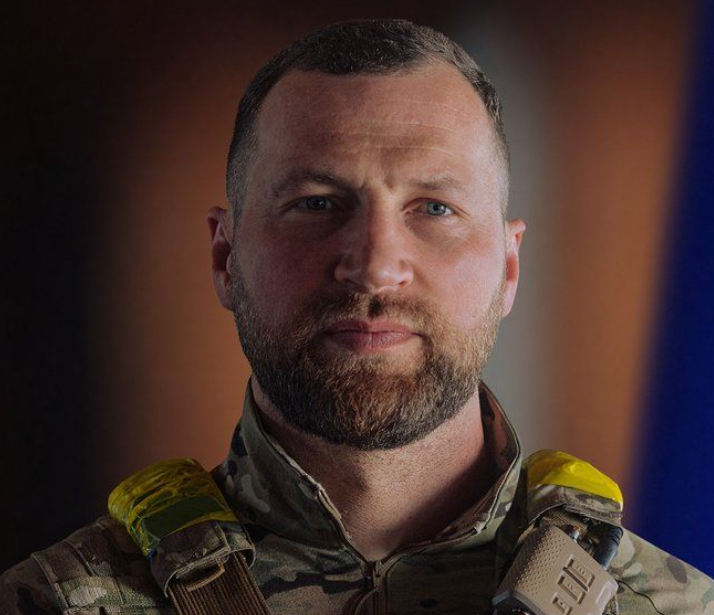
When Ukrainian Defense Minister Mykhailo Fedorov declared at IT Arena 2026 that the future battlefield belongs to humanoid robots and launched the ambitious Army of Robots initiative, the statement sounded futuristic, even provocative.
Yet beneath the headline lies a deeper reality.
The question is no longer whether robots will become part of warfare.
The question is whether humans will remain the primary actors on the battlefield at all.
From Army of Men to Army of Systems
Traditional military power has always depended on people.
Recruit them.
Train them.
Equip them.
Deploy them.
Replace them when losses occur.
That model shaped warfare for thousands of years.
But Ukraine is fighting a war that increasingly rewards a different logic.
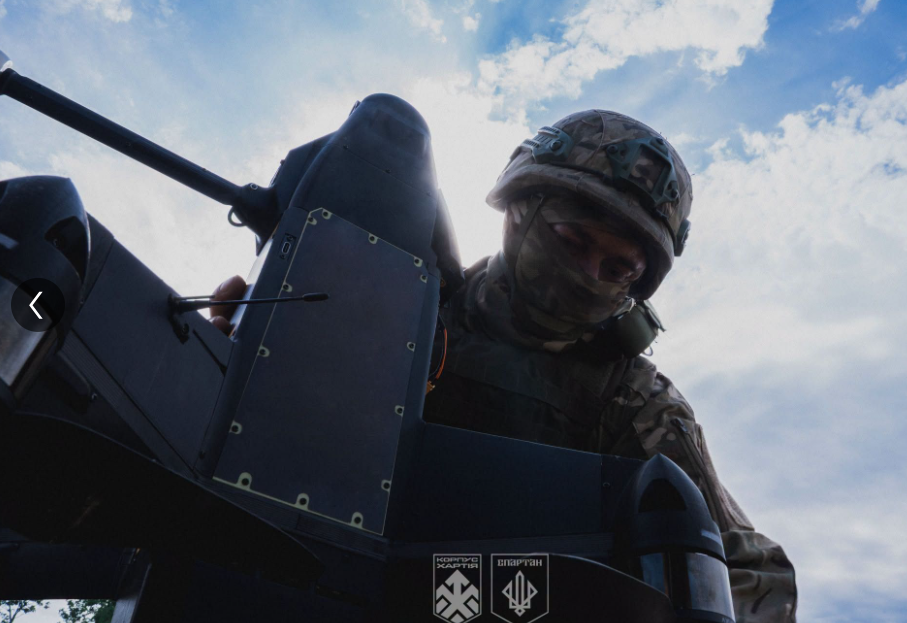
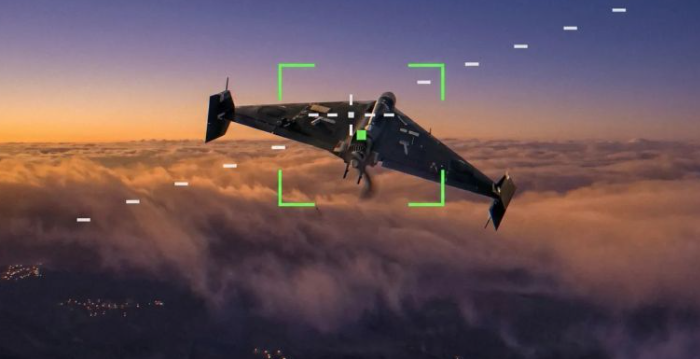
Drones already perform reconnaissance, targeting, logistics, surveillance, and attack missions.
Autonomous systems patrol danger zones.
Software identifies targets faster than operators.
Artificial intelligence assists planning and electronic warfare.
The human soldier is becoming less of an operator and more of a manager of machines.
The Army of Robots simply pushes that trend to its next logical stage.
Instead of supporting soldiers, robots increasingly become the soldiers.
Demography Meets Technology
The timing is no coincidence.
Ukraine is not only fighting one of the most technologically dynamic wars in history.
It is also confronting one of the most severe demographic challenges in Europe.
Every casualty carries military consequences.
But it also carries demographic consequences.
The loss of a soldier is simultaneously the loss of future workers, engineers, entrepreneurs, parents, and future generations.
This reality is forcing military planners to think differently.
If machines can perform dangerous missions more effectively and at lower human cost, the incentive becomes overwhelming.
The future of military technology is therefore not merely about increasing combat effectiveness.
It is also about preserving human capital.
The most valuable resource of the twenty-first century may not be steel, energy, or rare earth minerals.
It may be young people.
The Humanoid Question
Humanoid robots are particularly controversial.
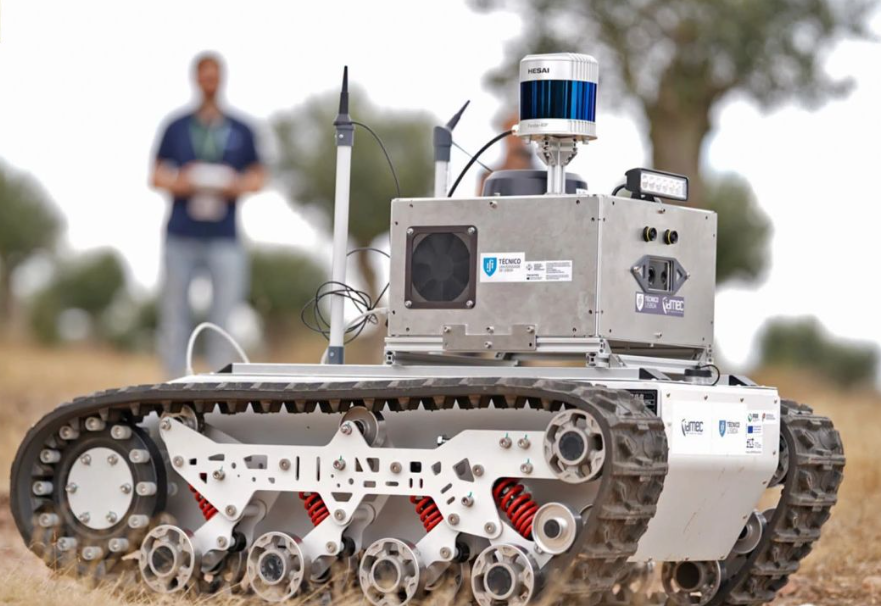
Many experts argue that wheeled, tracked, or aerial autonomous systems are more practical.
And today, that criticism is largely correct.
Most battlefield robots do not need legs.
They need reliability.
Yet focusing exclusively on today's limitations risks missing the strategic direction.
The first tanks were unreliable.
Early aircraft were primitive.
Initial drones seemed secondary compared to traditional aircraft.
A technology does not need to be perfect to be transformative.
It needs to improve faster than its alternatives.
Humanoid systems are attractive because they operate in a world already designed for humans.
Doors.
Stairs.
Buildings.
Vehicles.
Tools.
Urban warfare remains one of the most difficult military environments imaginable.
A machine capable of navigating and functioning in that environment could fundamentally alter military operations.
Not tomorrow.
But sooner than many people believe.
The Real Revolution Is Learning
The most important element of the Army of Robots is not robotics itself.
It is learning velocity.
Every robotic system deployed generates data.
Every mission produces information.
Every success and failure becomes a feedback loop.
Artificial intelligence accelerates analysis.
Software updates can be distributed instantly.
Improvements can be deployed across an entire robotic fleet simultaneously.
Unlike humans, machines can share experience immediately.
One robot learns.
Thousands benefit.
That changes the mathematics of military adaptation.
Future combat effectiveness may increasingly depend not on the quality of individual platforms but on the speed with which entire robotic ecosystems can learn and evolve.
The battlefield becomes a giant data engine.
War becomes software development under extreme conditions.
The Post-Human Battlefield
The phrase sounds like science fiction.
It is not.
The transformation has already started.
Military organizations around the world continue investing in autonomy, artificial intelligence, robotics, machine vision, autonomous logistics, unmanned combat systems, and human-machine teaming.
Ukraine happens to operate in the world's most intense laboratory for testing these technologies under real combat conditions.
That gives it a unique advantage.
Not necessarily in robotics itself.
But in understanding how humans and machines fight together.
The Army of Robots initiative suggests Ukrainian planners are already looking beyond the current war.
They are asking what comes next.
And the answer may be uncomfortable for traditional military thinking.
The future battlefield may not be dominated by the largest army.
Or the most expensive platform.
Or even the best-trained individual soldier.
It may be dominated by the actor capable of building the fastest learning ecosystem of machines.
The real revolution is not that robots will fight wars.
The real revolution is that robots may eventually become the primary mechanism through which warfare learns.
And when that happens, military power will be measured not only in armies, tanks, or drones.
It will be measured in algorithms.