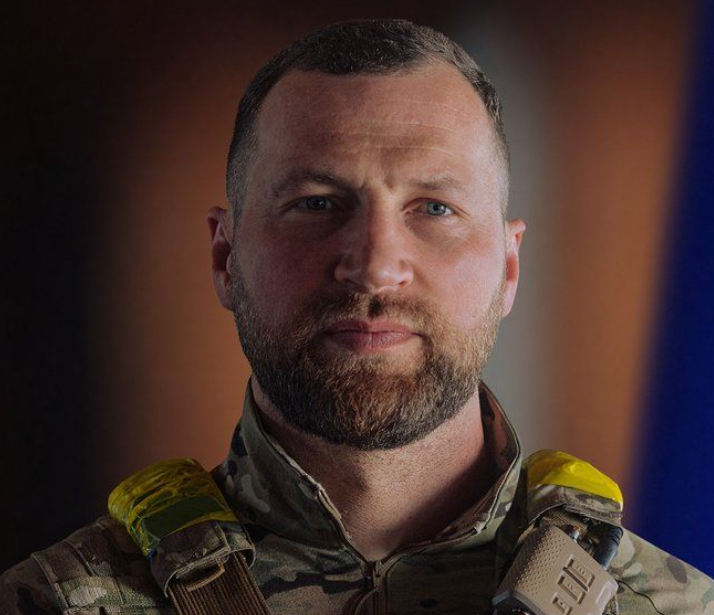
Yevhenii Khmara. Ukraine's New Defense Minister Isn't a Bureaucrat. He's a Battlefield User of the System.
Ukraine has just made one of its most consequential wartime appointments.
And the significance is not simply who was chosen.
It's what type of leader Kyiv has decided it needs next.
With the confirmation of Major General Yevhenii Khmara as Minister of Defence, Ukraine is signaling that its defense-technology revolution is entering a new phase. The country is not abandoning the model built over the past several years. Instead, it is placing one of the system's most experienced operational users in charge of scaling it.
That distinction matters.
For much of the war, Ukraine's defense transformation was driven by people focused on building systems. Digitalization, procurement reform, drone programs, data-driven decision-making, and rapid acquisition mechanisms became defining features of Kyiv's military adaptation.
Former Defense Minister Mykhailo Fedorov embodied that approach.
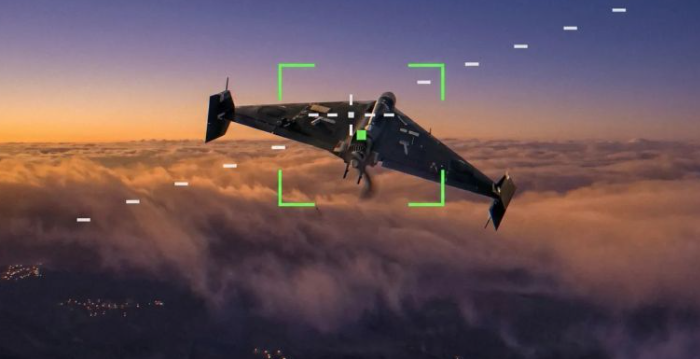
A civilian technocrat by background, Fedorov became one of the architects of Ukraine's technological war effort. Under his leadership, initiatives such as Army of Drones, decentralized procurement mechanisms, and digital logistics platforms accelerated the flow of technology from manufacturers to combat units.
His philosophy was straightforward: remove bureaucracy, distribute resources faster, and allow innovation to emerge from the battlefield.
In many respects, it worked.
Ukraine became one of the world's most dynamic military innovation ecosystems. The cycle between frontline operators and technology developers compressed dramatically. Combat lessons that once took years to influence procurement decisions could now shape products within weeks.
But every innovation ecosystem eventually faces a new challenge.
Scale.
Building a system is one thing.
Converting it into enduring military advantage is another.
This is where Khmara's appointment becomes strategically interesting.
Unlike Fedorov, Khmara did not come from the world of digital transformation or public-sector reform.
He came from the battlefield.
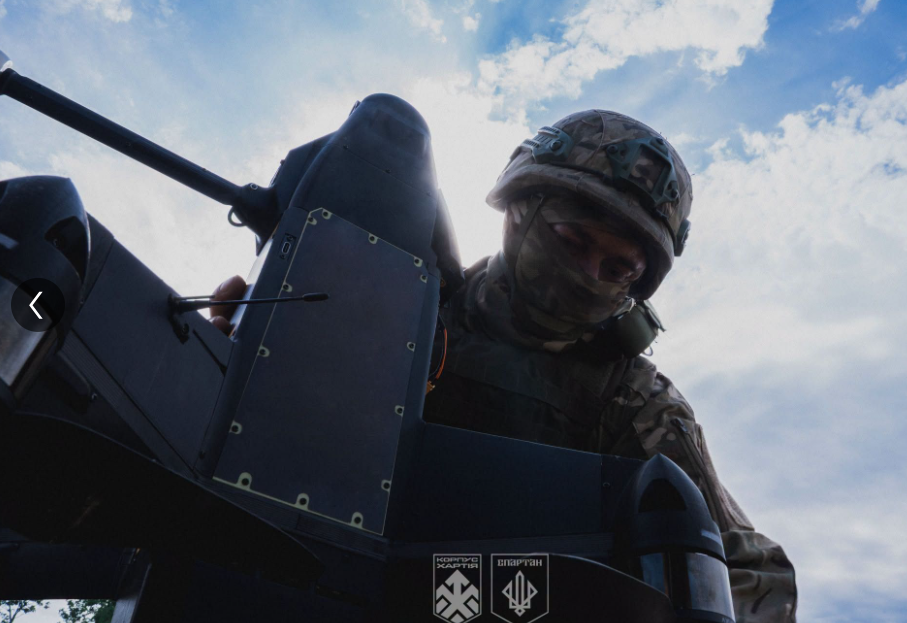
A career special operations officer, Khmara served in Omega before moving to the Security Service of Ukraine's elite Alpha unit. Over time, he rose through its ranks, eventually commanding one of the country's most capable and technology-intensive formations.
Alpha became known for combining drones, intelligence, precision strikes, and special operations into integrated combat effects.
While others discussed defense innovation, Alpha was actively applying it against the enemy.
That experience may prove decisive.
The next stage of Ukraine's military evolution is not primarily about inventing more technologies.
It is about institutionalizing battlefield success.
The technologies already exist.
The challenge is ensuring they are deployed consistently across hundreds of units, integrated into operational planning, and translated into measurable military outcomes.
In essence, Ukraine appears to be shifting from a builder to a practitioner.
From an architect to an operator.
From someone focused on creating the ecosystem to someone focused on maximizing what the ecosystem can deliver.
Importantly, there is little indication that Khmara's appointment represents a policy reversal.
President Volodymyr Zelenskyy's public guidance has emphasized continuity rather than disruption. Drone production remains a priority. Direct brigade funding remains a priority. Technology-enabled strike capabilities remain a priority.
The mission has not changed.
The leadership profile has.
That may reflect a broader wartime reality.
As conflicts mature, military organizations often transition from innovation-focused leadership to execution-focused leadership.
The question ceases to be "What should we build?"
Instead, it becomes "How do we scale what already works?"
This challenge extends beyond drones.
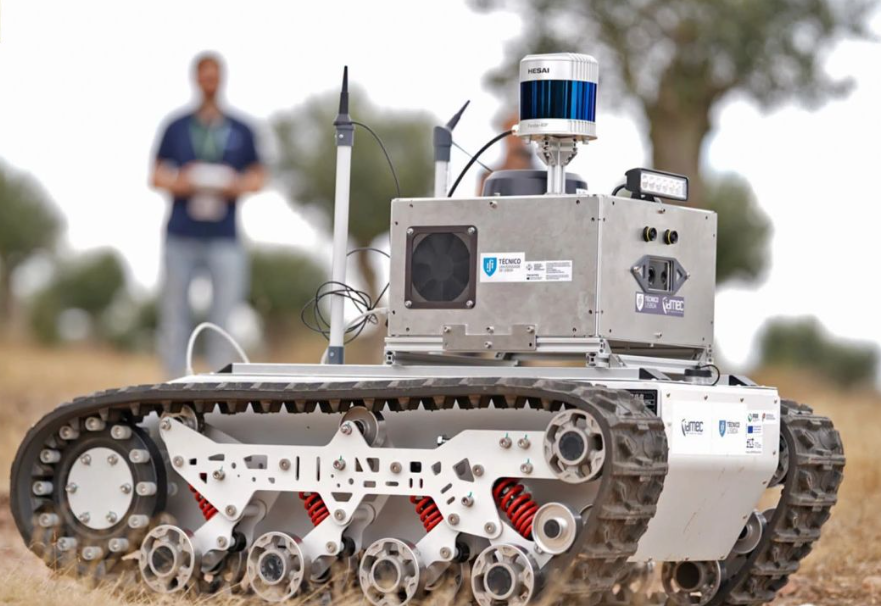
It applies to logistics, procurement, battlefield communications, intelligence fusion, autonomous systems, electronic warfare, and command-and-control processes.
Ukraine's advantage has never been merely technology.
Its advantage has been the speed at which technology, operational feedback, and combat experience interact.
Maintaining that cycle at scale is one of the hardest problems any military faces.
That is now Khmara's responsibility.
The political dimension makes the transition even more fascinating.
Fedorov became one of the public faces of Ukraine's innovation strategy. Many observers assumed his influence would continue to shape the future direction of the ministry.
Instead, Kyiv selected a commander whose credibility comes less from public advocacy and more from operational results.
That sends a clear signal.
Ukraine is no longer proving that defense innovation matters.
The battlefield has already settled that debate.
The next question is whether innovation can become repeatable, scalable, and decisive across an entire military.
Khmara's career suggests he understands how technology performs under combat conditions.
Now he must prove he can do something even harder.
Transform battlefield innovation into strategic military power.
Because Fedorov helped build the machine.
Khmara's task is to make it run faster.