Thales Proxy Rocket. The $10,000 Missile That Could Change Air Defense Forever
For years, the mathematics of modern air defense have been absurd.
A drone costing a few thousand dollars appears over a battlefield. The defender responds with a missile worth hundreds of thousands—or even millions. The drone is destroyed, but the economics are disastrous.
That equation has become one of the defining challenges of 21st-century warfare.
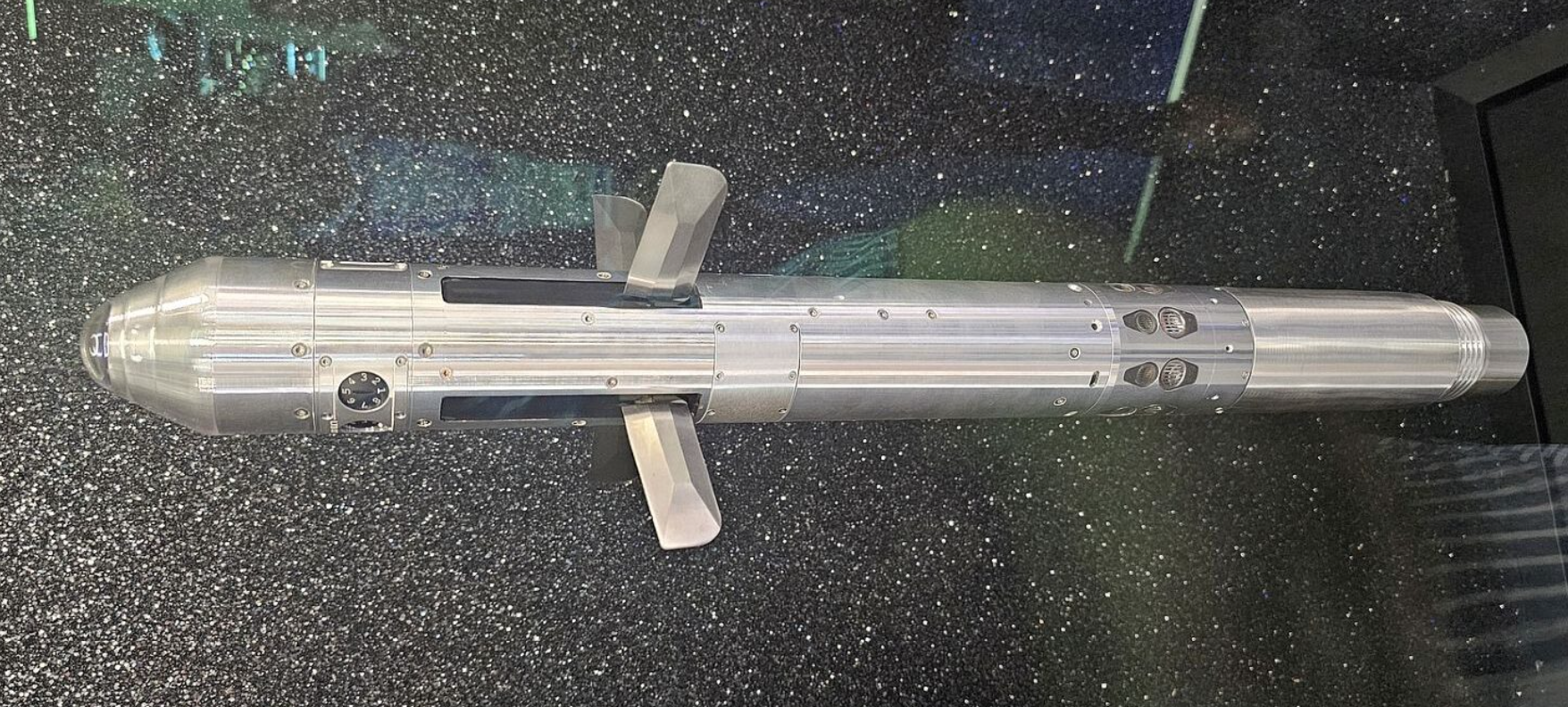
Now, at Eurosatory 2026 in Paris, Belgian defense manufacturer Thales unveiled a weapon designed to solve precisely that problem: the FZ275 LGR MOD.40 “Proxy”.
It may not be the largest missile at the exhibition.
It may not be the fastest.
But it could become one of the most important.
Because the future of air defense is no longer about shooting down aircraft.
It is about surviving the drone age without bankrupting yourself.
The Age of Cheap Threats
Military planners around the world face the same reality.
The skies are filling with drones.
Small reconnaissance drones.
FPV attack drones.
Loitering munitions.
Autonomous systems.
Swarms.
What makes them dangerous is not merely their capability. It is their affordability.
An attacker can launch dozens—or hundreds—of low-cost aircraft simultaneously. Defenders must then decide whether to expend expensive surface-to-air missiles or accept risk.
That dilemma is driving a global search for cost-effective counter-drone solutions.
Enter the Proxy.
A Different Kind of Missile
At first glance, the new weapon looks familiar.
Its roots lie in the widely used 70mm Hydra rocket family, one of the most successful and versatile rocket systems ever developed.
But the similarities largely end there.
The FZ275 LGR MOD.40 introduces a new LiDAR-based 360-degree proximity sensor, enabling the missile to detect nearby aerial targets and detonate at the optimal moment.
Combined with a specialized fragmentation warhead designed specifically for airborne threats, the system transforms a battlefield-proven rocket into a dedicated counter-drone interceptor.
The result is a weapon optimized not for armored vehicles or ground targets, but for the unmanned aircraft increasingly dominating modern combat.
The Real Innovation Is Economic
The technology is impressive.
The economics are revolutionary.
Traditional air-defense missiles often carry six- or seven-figure price tags. They remain essential against fighter aircraft, cruise missiles, and advanced threats, but using them against small drones creates an unsustainable cost imbalance.
The Proxy addresses that imbalance directly.
With a reported cost in the low five-figure range, the missile offers commanders a weapon that is dramatically cheaper while still providing precision engagement capability.
This matters far beyond military budgets.
Future wars may be won not only by who possesses the most advanced weapons, but by who can afford to keep firing them.
Every Vehicle Becomes Air Defense
Another reason defense experts are paying attention is versatility.
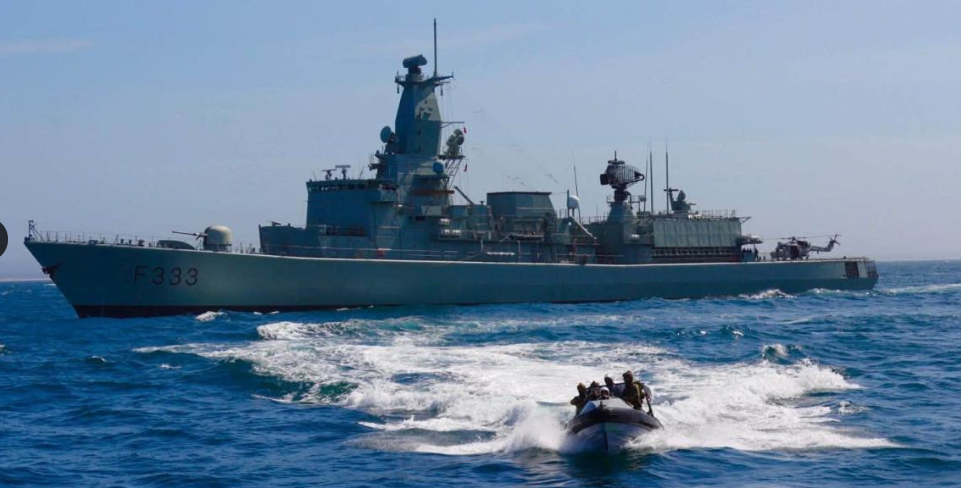
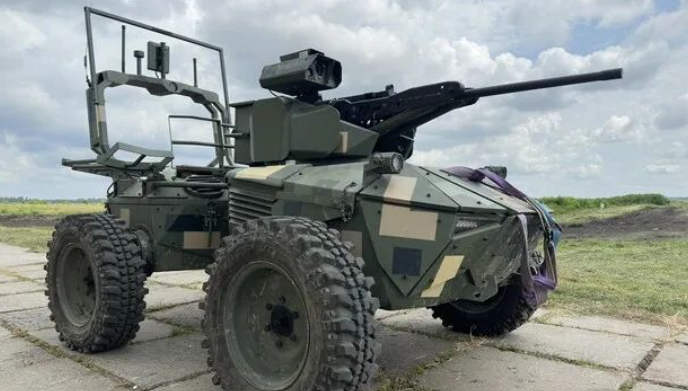
The Proxy can be deployed from land vehicles, helicopters, fixed-wing aircraft, naval platforms, and unmanned systems.
In practical terms, this means existing platforms can potentially gain counter-drone capabilities without requiring entirely new weapon architectures.
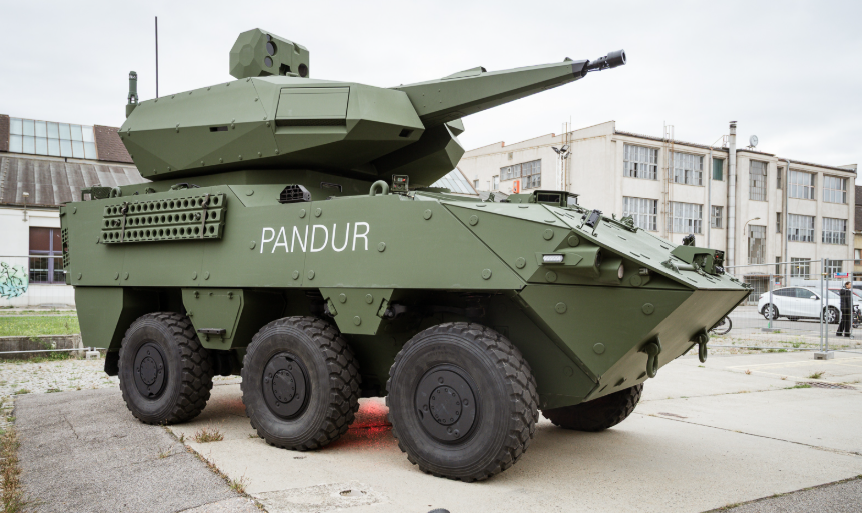
At Eurosatory, examples of 70mm launchers appeared everywhere—from armored vehicles and remote weapon stations to drones and maritime platforms.
The message was unmistakable.
Air defense is becoming decentralized.
Instead of relying exclusively on specialized missile batteries, future forces may distribute anti-drone capabilities across large numbers of platforms.
The battlefield itself becomes an air-defense network.
A New Layer of Defense
Thales also showcased another intriguing solution: the FZ123.
Unlike the guided Proxy missile, the FZ123 focuses on simplicity and affordability.
Its massive fragmentation warhead contains approximately 6,500 steel balls and uses a timed detonation concept similar to advanced programmable airburst munitions.
The philosophy is straightforward.
Instead of achieving a direct hit, create a cloud of destructive fragments in the target's path.
The consequence is even lower engagement costs.
Reports indicate a price in the low four-figure range, potentially making it one of the most economical counter-drone effectors available.
The Production Race Has Already Started
Perhaps the strongest indicator of confidence in the system is production.
Thales has already announced significant increases in manufacturing capacity, responding to growing international demand.
The company previously projected production growth from hundreds of rockets annually to thousands. The latest plans reportedly call for another substantial expansion through 2028.
This reflects a broader reality.
Governments no longer view counter-drone capability as a niche requirement.
It is becoming a core element of modern military doctrine.
The Future Is About Winning the Cost War
The most provocative lesson from Eurosatory was not technological.
It was strategic.
Military superiority is increasingly determined by economic sustainability.
The side that can neutralize a $5,000 drone with a $10,000 interceptor is in a far stronger position than the side spending $1 million for the same result.
For decades, air defense focused on performance.
Today, it must also focus on affordability.
The Proxy may not be the most glamorous weapon unveiled in Paris.
But it addresses one of the most urgent problems facing modern militaries.
And in the age of drone warfare, solving the economics of defense may prove just as important as winning the battle itself.