Russia’s Recruitment Machine Is Breaking Even With Death. The War of Attrition Enters a Dangerous New Phase

For more than two years, one question has dominated military analysis of the war in Ukraine:
Can Russia sustain its losses longer than Ukraine can sustain its resistance?
New figures released by Ukrainian officials and battlefield units suggest that Moscow's answer to this challenge remains the same: recruit more men, send more troops into battle, and continue pressing forward regardless of the cost.
But the latest numbers reveal a troubling reality.
Russia's recruitment pipeline appears to be running at a pace nearly identical to its reported battlefield losses.
According to figures cited by Ukrainian President Volodymyr Zelenskyy, Russia recruited approximately 221,000 new troops during the first seven months of 2026. During the same period, Russian losses reportedly reached 225,500 personnel, including around 131,000 killed.
Whether viewed from a military, economic, or political perspective, the implication is striking.
Russia is effectively replacing losses as fast as they occur.
The war has become a grim industrial process in which men are transformed into statistics at a scale rarely seen in Europe since the Second World War.
Yet the battlefield tells an even deeper story.
The commander of Ukraine's increasingly influential Unmanned Systems Forces, known by the callsign Magyar, reported a significant surge in Russian front-line assault activity during July.
According to available figures, the number of troops committed to frontline attacks increased by 18 percent compared with May and 12 percent compared with June.
That trend reflects a broader shift visible across multiple sectors of the front.
Russia continues relying heavily on small assault groups, repeated attacks, motorcycles, utility vehicles, drones, artillery, and glide bombs to pressure Ukrainian positions. Rather than seeking dramatic armored breakthroughs, commanders increasingly pursue gradual gains through relentless attritional pressure.
The strategy is simple.
Keep attacking.
Keep replacing losses.
Keep searching for weak points.
What makes the situation particularly significant is how Ukraine is responding.
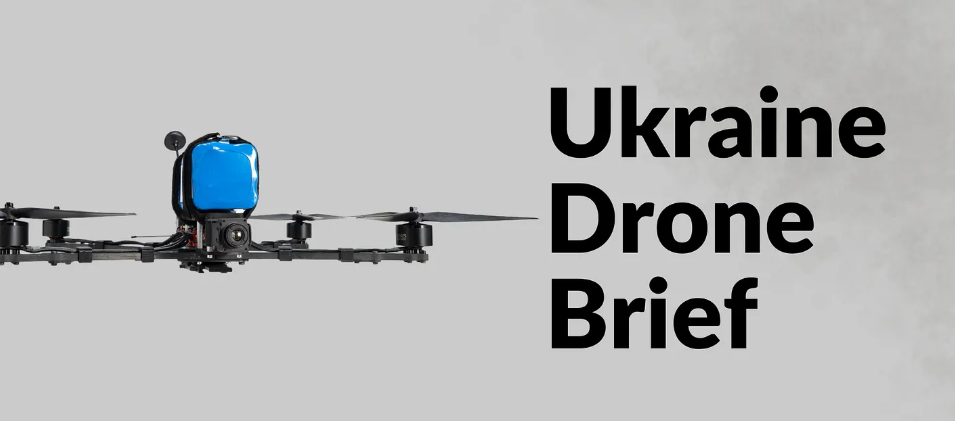
The modern battlefield is increasingly dominated not only by artillery but by drones.
Magyar's figures indicate that verified personnel strikes conducted by Unmanned Systems Forces pilots surpassed 9,000 confirmed engagements between July 1 and July 25, with the monthly total expected to exceed 11,000.
The average daily strike rate reportedly climbed to 365 personnel engagements per day, compared with 310 in May and 329 in June.
Those numbers illustrate a battlefield transformation that few military planners would have predicted a decade ago.
The most important weapon on many sectors of the front is no longer necessarily a tank, artillery piece, or attack helicopter.
It is a drone operator sitting behind a screen.
Military historians may eventually describe the war in Ukraine as the conflict that fully introduced industrial-scale autonomous and semi-autonomous warfare.
Every movement can be observed.
Every vehicle can be tracked.
Every assault group risks discovery long before reaching its objective.
That reality creates a growing challenge for Russia.
Recruitment remains possible.
Replacement remains possible.
Sustained offensive momentum becomes much harder when technology continuously targets manpower before it reaches the battlefield.
Yet Russia appears determined to maintain pressure.
Reports indicating plans to bring in an additional 30,000 North Korean troops and acquire new ballistic missile launcher systems from Pyongyang highlight how the conflict is increasingly drawing in external partners.
The strategic message is clear.
Moscow is preparing for endurance, not rapid resolution.
The Kremlin appears willing to mobilize foreign manpower, expand military partnerships, and continue absorbing losses as part of a long-term campaign.
For Ukraine, the response remains focused on leveraging technology to offset numerical disadvantages.
Drones.
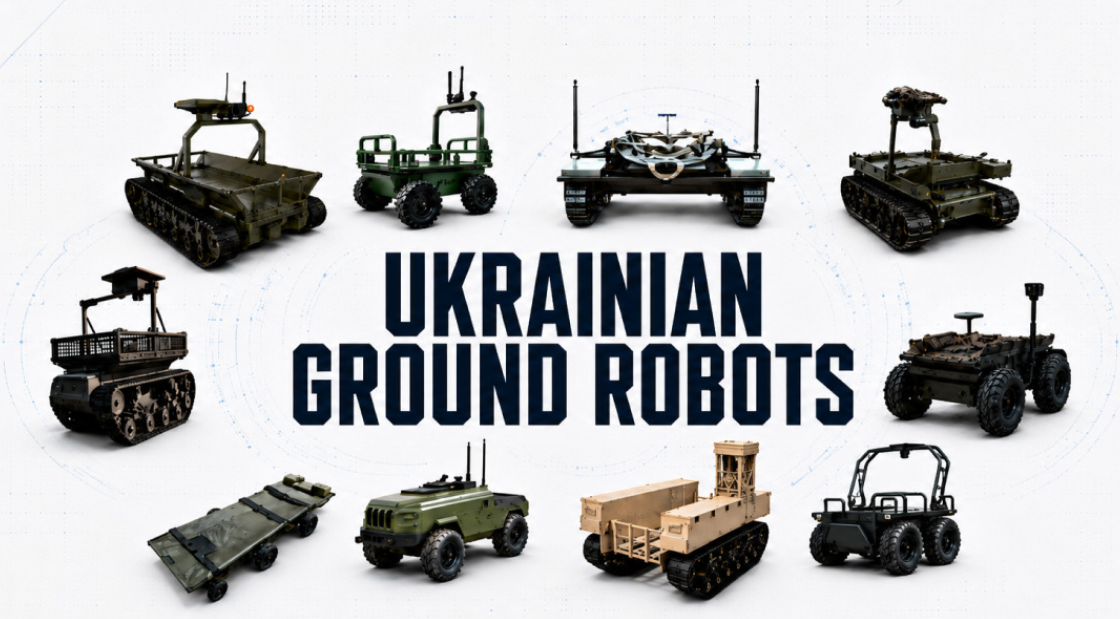
Automation.
Precision strikes.
Digital targeting networks.
Real-time battlefield intelligence.
Every technological advantage matters when facing an opponent capable of continuously replenishing manpower.
The latest figures therefore reveal two parallel realities.
Russia continues demonstrating an extraordinary ability to feed personnel into the war effort.
Ukraine continues demonstrating an extraordinary ability to destroy those personnel using increasingly sophisticated systems.
Neither trend suggests a quick conclusion.
Instead, they point toward a conflict becoming more industrialized, more technological, and more attritional with each passing month.
The most revealing number may not be recruitment, casualties, or drone strikes individually.
It is the fact that all three continue rising simultaneously.
Russia is sending more men.
Ukraine is striking more targets.
And the war keeps consuming human lives at a scale that remains difficult to comprehend.
In modern warfare, numbers tell stories.
These numbers tell the story of a conflict that is not slowing down.
It is accelerating.