Russian-Ukrainian War: The Last Generation. How Demographic Decline Is Changing the Logic of War
For centuries, wars were fought under one fundamental assumption:
There would always be another generation.
A kingdom could lose tens of thousands of soldiers and eventually recover. An empire could absorb catastrophic casualties and replace them through population growth. Even the devastating wars of the twentieth century occurred in societies that were still producing large numbers of young people.
That assumption is disappearing.
The war between Russia and Ukraine may become historically significant not only because of drones, missiles, satellites, or artificial intelligence. It may be remembered as the first major interstate war between two countries already trapped in long-term demographic decline.
And that changes everything.
Because when a society is running out of young people, war is no longer simply about territory, industry, and military capability.
It becomes a competition over demographic survival.
A New Strategic Constraint
Military power has traditionally been measured through familiar variables:
Economic output.
Industrial capacity.
Technology.
Manpower.
Yet demographic decline introduces a new strategic limitation.
Every soldier lost is no longer merely a casualty.
Every soldier may represent a scarce future parent, worker, taxpayer, engineer, entrepreneur, or member of the next generation.
In a shrinking society, replacement becomes increasingly difficult.
The question therefore begins to change.
It is not merely, "How many troops can a country mobilize today?"
It becomes:
"Which generations can a country afford to lose?"
That is a profoundly different calculation.
Ukraine's Demographic Gamble
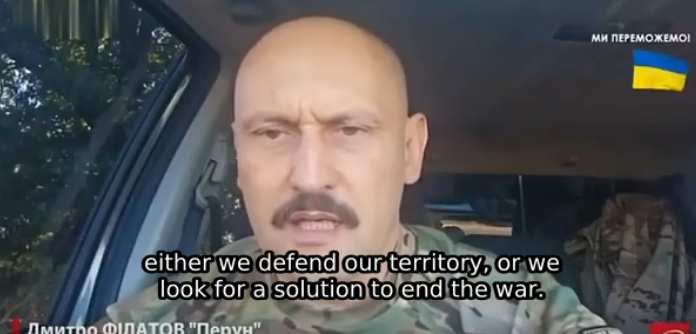
Ukraine's mobilization policies have often generated international debate.
Critics have repeatedly argued that Kyiv should mobilize younger age groups more aggressively.
Viewed through a purely military lens, such arguments appear straightforward. Younger populations provide larger recruitment pools and often greater physical resilience.
But demographics tell a different story.
Ukraine entered the war after years of population decline, low birth rates, migration, and economic disruption.
The country's leadership faces a dilemma few modern governments have confronted so directly.
A soldier lost today is not only a battlefield loss.
That soldier may also represent children who will never be born, families that will never exist, and future economic capacity that will never materialize.
From this perspective, preserving younger generations is not simply a military decision.
It becomes a strategic investment in national recovery after the war ends.
Russia's Different Response
Russia has approached the demographic challenge differently.
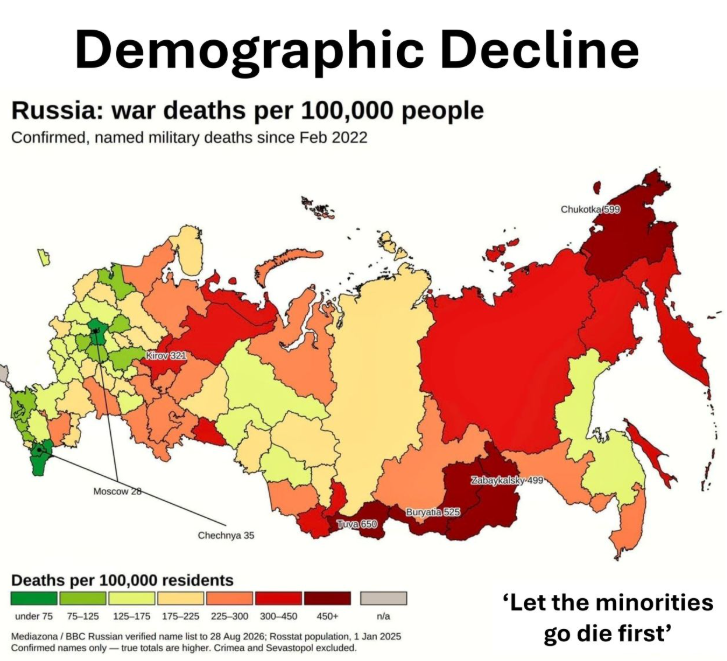
Observers have noted that recruitment and mobilization efforts have often drawn heavily from poorer regions, peripheral provinces, prison populations, and economically disadvantaged communities.
The burden of war has not always been distributed evenly across Russian society.
This reflects a pattern familiar throughout history.
Empires frequently concentrate decision-making power in the center while extracting disproportionate costs from peripheral regions.
The phenomenon is not unique to Russia. Variations of it have appeared across numerous historical empires and colonial systems.
The strategic logic is straightforward.
Political stability in the capital is preserved while the human costs of war are pushed outward.
But demographic decline makes this model increasingly difficult to sustain.
When population growth slows, every region becomes demographically valuable.
Every loss becomes harder to replace.
The Return of Demography
For decades, many policymakers treated demographics as a secondary issue.
Technology seemed more important.
Economic growth dominated strategic discussions.
Globalization appeared capable of compensating for population problems.
War in Ukraine is challenging those assumptions.
Demography has returned to the center of strategic thinking.
A nation can build more drones.
It can manufacture more missiles.
It can increase ammunition production.
But it cannot quickly produce a new twenty-year-old generation.
That process requires decades.
No emergency defense budget can accelerate it.
No industrial policy can mass-produce youth.
The Future of Warfare
The implications extend far beyond Russia and Ukraine.
Most developed countries are aging.
Birth rates are declining across Europe, East Asia, and parts of North America.
Many military powers are entering an era where demographic constraints will influence defense planning as much as industrial capacity.
Future conflicts may therefore be shaped by a new reality.
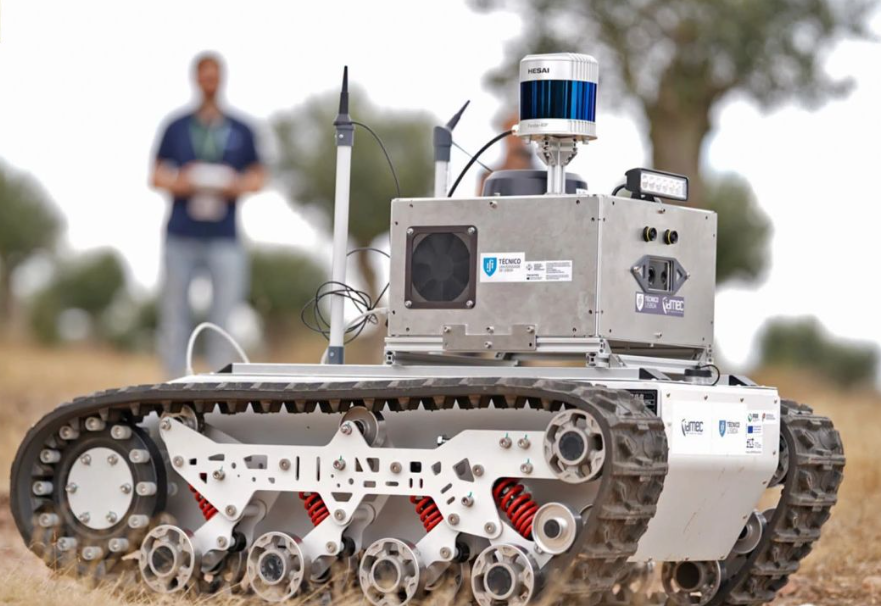
States will increasingly seek technologies that reduce manpower requirements.
Autonomous systems.
Robotics.
Artificial intelligence.
Long-range precision weapons.
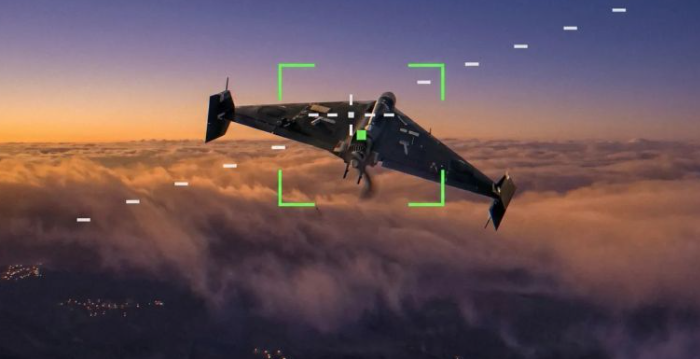
Unmanned platforms.
The logic is clear: when young people become scarce, preserving human capital becomes a strategic necessity.
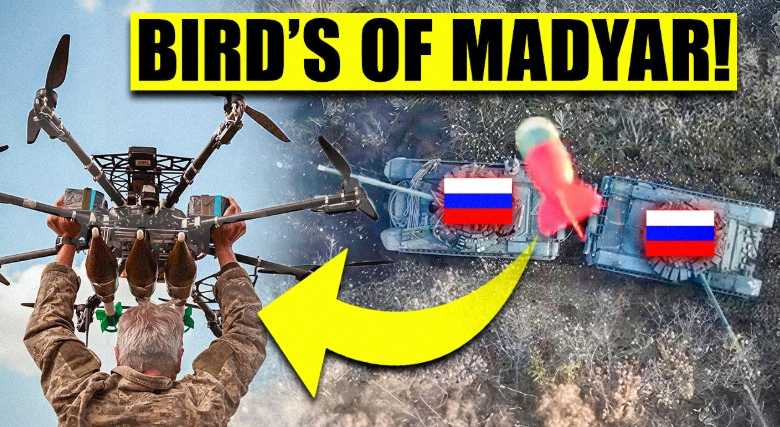
The drone revolution may therefore be more than a technological revolution.
It may be a demographic one.
Machines increasingly substitute for the resource that many societies are running out of:
Young people.
The Real Strategic Question
For centuries, nations asked how many soldiers they could raise.
Tomorrow's governments may ask a different question.
How many soldiers can they afford to lose?
That is the uncomfortable reality emerging from Ukraine.
The war may be offering a first glimpse into a future where demographics become as important as firepower.
A future where military planning is increasingly influenced by aging populations, shrinking generations, and declining birth rates.
A future where every casualty carries not only a military cost, but a demographic one.
Because the defining scarcity of the twenty-first century may not be oil, technology, or industrial capacity.
It may be youth itself.
And the nations that understand this first may gain an advantage far beyond the battlefield.