Russia Raises Concerns Over U.S. Missile Systems and Military Deployments in Norway
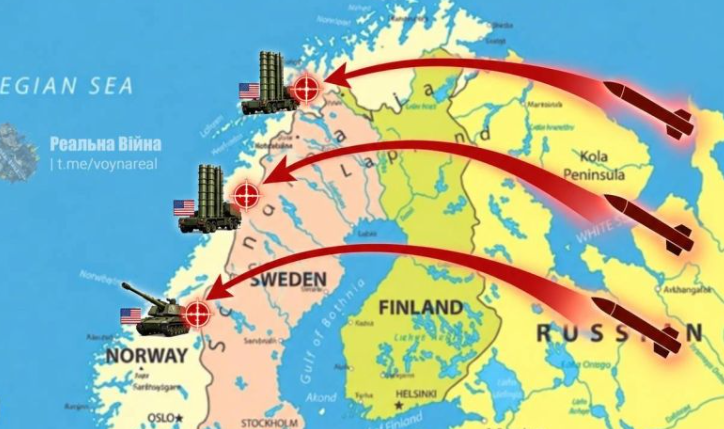
Moscow / Oslo, September 2026 – Russia has publicly identified military sites in Norway that it says could become potential targets in the event of a future military conflict, according to statements attributed to the Russian Foreign Ministry and reported by international media.
The remarks reflect continuing tensions between Russia and NATO members over military deployments and security arrangements in Northern Europe. Russian officials argue that recent defense measures in Norway have altered the regional security environment and increased strategic risks.
At the center of Moscow's concerns are Mk-41 launcher systems reportedly deployed in Norway. Russia maintains that these launchers are capable of firing a variety of missile types, including medium-range weapons and Tomahawk cruise missiles. Russian officials have stated that the systems could potentially be used against targets deep inside Russian territory, including strategic locations near Moscow.
The United States and NATO have consistently described missile defense and deterrence deployments in Europe as defensive measures intended to strengthen the security of allied nations. However, Moscow has repeatedly expressed skepticism regarding these explanations, arguing that the dual-use capabilities of certain launcher systems create uncertainty about their intended purpose.
According to the Russian Foreign Ministry, the presence of such systems near Russia's borders represents a significant security concern. Russian officials contend that weapons capable of launching long-range missiles can affect the strategic balance in the region and may require corresponding military planning on Russia's part.
In addition to missile launchers, Russia has also highlighted Norway's military modernization efforts in areas close to the Russian border. Particular attention has been placed on the deployment of artillery units equipped with South Korean-produced K9 self-propelled howitzers.
The K9 artillery system is widely used by several NATO and partner countries and is designed to provide long-range mobile fire support. Russian officials cited the deployment of these systems as another example of increasing military activity near its territory.
Norway, for its part, has emphasized the importance of maintaining national security and fulfilling its responsibilities as a NATO member. Norwegian defense authorities have repeatedly stated that military investments and force deployments are intended to strengthen defense capabilities and deter potential threats.
Security analysts note that the Arctic and High North regions have become increasingly important in European defense planning. The area is strategically significant due to its proximity to Russia, maritime routes, energy infrastructure, and military installations. As a result, both NATO members and Russia have increased their focus on military readiness and surveillance activities in the region over recent years.
The latest statements underscore broader geopolitical tensions that have shaped relations between Russia and Western countries. Since the deterioration of relations between Moscow and NATO, military deployments, exercises, and missile defense systems have become recurring points of disagreement.
Experts caution that public statements regarding potential military targets can contribute to heightened tensions and risk further escalation of already strained relations. At the same time, governments on all sides continue to emphasize deterrence, defense preparedness, and national security as key priorities.
While no immediate confrontation appears imminent, the exchange of warnings highlights the fragile security environment in Northern Europe. Diplomatic channels remain important for managing disagreements and reducing the risk of misunderstandings between military powers operating in close proximity.
As regional security dynamics continue to evolve, policymakers across Europe are likely to remain focused on balancing defense requirements, alliance commitments, and efforts to maintain stability in one of the continent's most strategically important regions.