Europe’s Active DefenseTech Funds: Expeditions, Keen Venture Partners, Balnord, Sunfish Partners, SmartCap - Where Drone & Deep Tech Startups Should Look Now

Europe’s defense and deep tech ecosystem is no longer theoretical. It is operational.
For founders building in autonomy, electronic warfare (EW), space security, counter-UAS, or broader dual-use technologies, capital is not the bottleneck it was five years ago. What matters now is alignment: finding investors who understand the tempo, regulatory complexity, and geopolitical relevance of defense-driven innovation.
Several European funds are currently active — and highly relevant — for startups operating at the intersection of security and advanced technology.
Expeditions
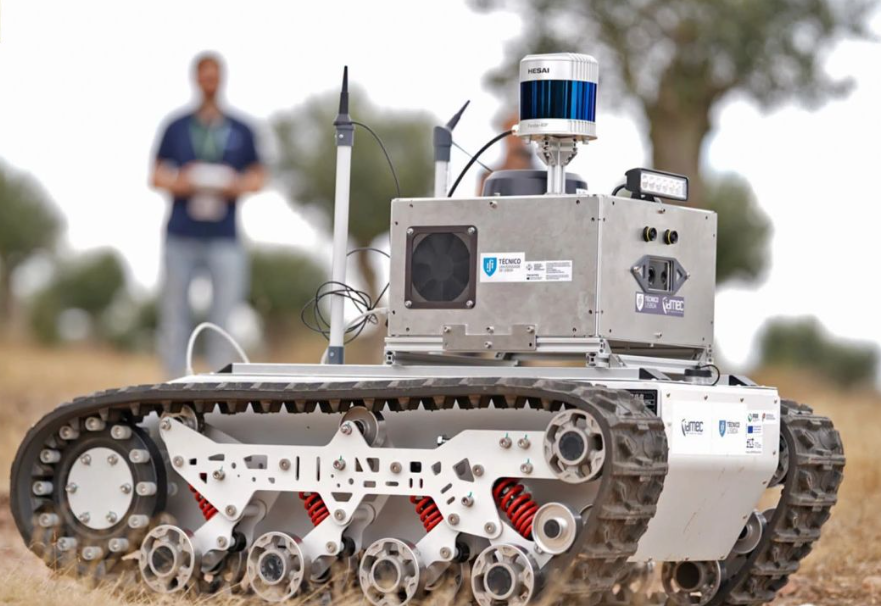
Led by Anthony Mensier and Mikolaj Firlej, Expeditions has built a thesis around sovereign resilience and next-generation infrastructure. The fund looks closely at autonomy stacks, AI-driven systems, and hardware-software integration in mission-critical environments. For drone and robotics startups, especially those with field-validated use cases, this is smart capital with geopolitical awareness.
Keen Venture Partners
Ties K. and Giuseppe Lacerenza are positioning Keen as a serious player in European deep tech. Their interest spans AI, data infrastructure, and scalable systems — precisely the backbone required for modern autonomy platforms and defense-grade software. If your startup sits at the convergence of AI and real-world deployment, Keen understands that complexity.
Balnord
Wojciech Drewczyński and Jarek Pilarczyk represent a growing cohort of investors focused on Central and Eastern European innovation ecosystems. For startups emerging from Poland, the Baltics, or adjacent regions — particularly those working in defense-adjacent technologies — Balnord combines regional access with international ambition.
Sunfish Partners
Dr. Marcus Erken has long been active in backing technically strong, early-stage teams. Sunfish focuses on deep tech and engineering-driven startups — a critical distinction. Defense and autonomy companies are rarely pitch-deck stories; they are lab-to-field engineering challenges. Funds that respect that reality matter.
SmartCap
Under Robert Martin, SmartCap has developed a reputation for supporting scalable technology companies with strategic relevance. For startups working in space, cyber, or security-linked digital infrastructure, SmartCap brings institutional weight and long-term orientation.
Why This Moment Is Different
European defense innovation has moved from taboo to priority.
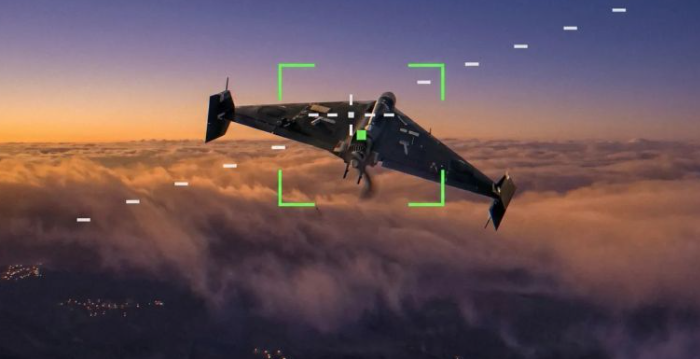
The war in Ukraine, rising geopolitical tensions, and supply-chain fragility have forced policymakers and capital markets to reassess what “strategic autonomy” truly means. Autonomy systems, EW capabilities, resilient communications, and space-based assets are no longer niche verticals — they are national security fundamentals.
For founders, this creates both opportunity and responsibility.
Defense and dual-use startups operate in a complex regulatory environment. Export controls, certification pathways, and procurement cycles can slow momentum. Investors who understand that friction — and are prepared to engage beyond capital — are critical.
The funds above are not merely financial backers. They are building theses around resilience, sovereignty, and technological leverage. That alignment is increasingly decisive in securing follow-on rounds and institutional partnerships.
Beyond Traditional VCs
While independent funds are gaining traction, founders should also monitor corporate venture capital and accelerator programs. EU-based Techstars programs, for example, are actively engaging with deep tech, space, and security startups. Structured programs can provide not only capital but access to procurement networks and strategic partners.
As European defense tech matures, the capital stack is diversifying: seed VCs, growth equity, strategic corporates, and government-backed vehicles are converging.
The Call to Founders
If you are building in autonomy, EW, space systems, counter-UAS, or defense-enabling software infrastructure, the capital landscape is more receptive than ever — but competition is intensifying.
Clear validation, technical depth, and credible deployment pathways are non-negotiable.
Part two will explore corporate VCs shaping Europe’s defense innovation pipeline.
If you know EU-focused defense or dual-use funds that should be on the radar, the conversation is open.