Romania Draws a Line. Russian Drones Crossed the Border, a Diplomat Is Leaving
The skies above Eastern Europe are becoming increasingly crowded with more than missiles, drones, and military aircraft. They are becoming a battleground for political signals, strategic warnings, and tests of national resolve.
This week, Romania delivered one of its clearest responses yet.
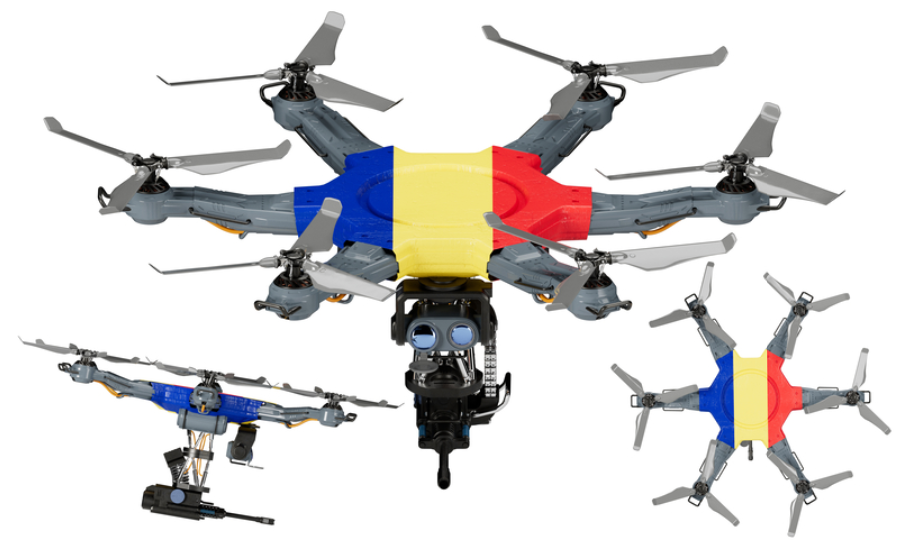
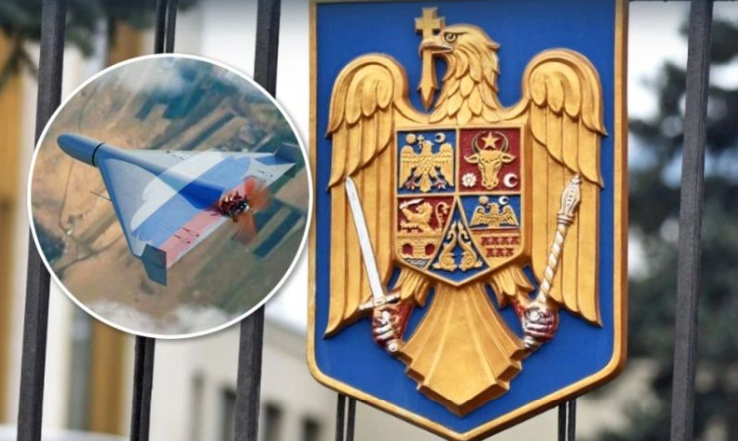
Following the reported interception and destruction of three Russian drones that violated Romanian airspace, the Romanian government announced the expulsion of a Russian diplomat. In diplomatic terms, such actions are among the strongest measures available short of direct confrontation.
The message was unmistakable: crossing NATO borders comes with consequences.
For years, Russia's military operations and hybrid activities have repeatedly pushed against the boundaries of Europe’s security architecture. But since the launch of the full-scale invasion of Ukraine, incidents involving drone intrusions, cyberattacks, espionage allegations, sabotage investigations, and information operations have steadily increased across the continent.
Romania's decision reflects a broader trend that has been unfolding across Europe.
What once might have been handled with diplomatic protests alone is increasingly met with more concrete measures.
The expulsion of Russian diplomatic personnel has become one of the preferred tools used by European governments to signal disapproval and impose costs without escalating into military conflict.
And the numbers are striking.
Since the beginning of Russia's full-scale war against Ukraine, European governments have collectively expelled hundreds of Russian diplomats, citing national security concerns, intelligence activities, and hybrid threats. What was once considered an extraordinary diplomatic measure has become a recurring feature of Europe’s security response.
The reason is simple.
Modern embassies and diplomatic missions perform essential diplomatic functions, but intelligence agencies have long used diplomatic cover as one method of operating abroad. Throughout the Cold War and beyond, accusations of espionage hidden behind diplomatic immunity have been a recurring element of international relations.
As tensions between Russia and Western nations have intensified, European governments have become increasingly willing to reduce the diplomatic footprint of Russian institutions operating within their borders.
For Romania, the latest incident carries particular significance.
Unlike countries located farther from the conflict, Romania sits on NATO’s eastern flank along the Black Sea region, directly neighboring Ukraine. The war is not an abstract geopolitical issue discussed in distant capitals. It unfolds in close proximity to Romanian territory every day.
Drone incursions, missile debris, and military activity near national borders have repeatedly heightened security concerns.
In this environment, even limited violations of airspace are treated with growing seriousness.
The decision to expel a diplomat following the drone incident demonstrates how military events and diplomatic responses have become increasingly interconnected. A drone crossing a border today can trigger consequences far beyond the battlefield.
The move also reflects a larger strategic shift underway across Europe.
Governments are no longer focusing solely on traditional military threats. Hybrid warfare has become a central concern.
Cyber operations.
Disinformation campaigns.
Political influence networks.
Economic pressure.
Espionage activities.
Infrastructure sabotage.
These challenges often exist below the threshold of open conflict while still creating significant national security risks.
As a result, European countries are increasingly attempting to reduce vulnerabilities wherever they identify them.
Diplomatic expulsions serve multiple purposes.
They disrupt networks.
They impose costs.
They signal deterrence.
And perhaps most importantly, they communicate political unity among allies facing common security challenges.
For Moscow, this represents a growing constraint.
Every expelled diplomat reduces operational flexibility, limits influence channels, and forces intelligence and diplomatic networks to adapt.
For NATO members, it demonstrates collective willingness to respond even when incidents fall short of direct military confrontation.
The incident in Romania may appear small compared to the dramatic events unfolding on Ukraine's front lines.
But strategic shifts often begin with actions that seem symbolic.
In reality, symbols matter.
Especially in international politics.
Three drones crossed a border.
A diplomat was expelled.
And another European government sent a signal that territorial sovereignty and national security are not negotiable.
As the conflict's consequences continue to ripple across Europe, responses like Romania's suggest a growing determination among NATO members to answer military provocations and hybrid threats not only with words, but with action.