Petraeus: Ukraine Has Already Changed War — NATO Still Hasn’t Changed Fast Enough

The war in Ukraine is not just another conflict to study.
According to retired U.S. Army Gen. David Petraeus, it is a warning that NATO militaries are still not adapting fast enough to the reality of modern warfare.
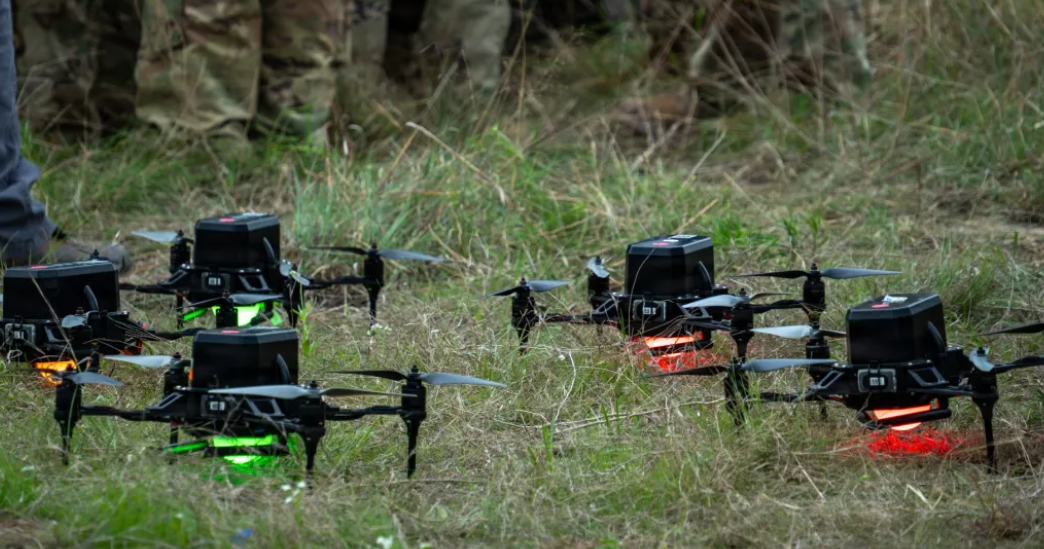
His argument is blunt: unmanned systems now dominate the battlefield to a degree that many Western militaries still underestimate.
Petraeus said that Ukraine and Russia are each using roughly 10,000 drones per day and that unmanned systems are responsible for more than 90% of Russian casualties on the front lines. His conclusion is simple: “This is an unmanned systems war.”
That changes everything.
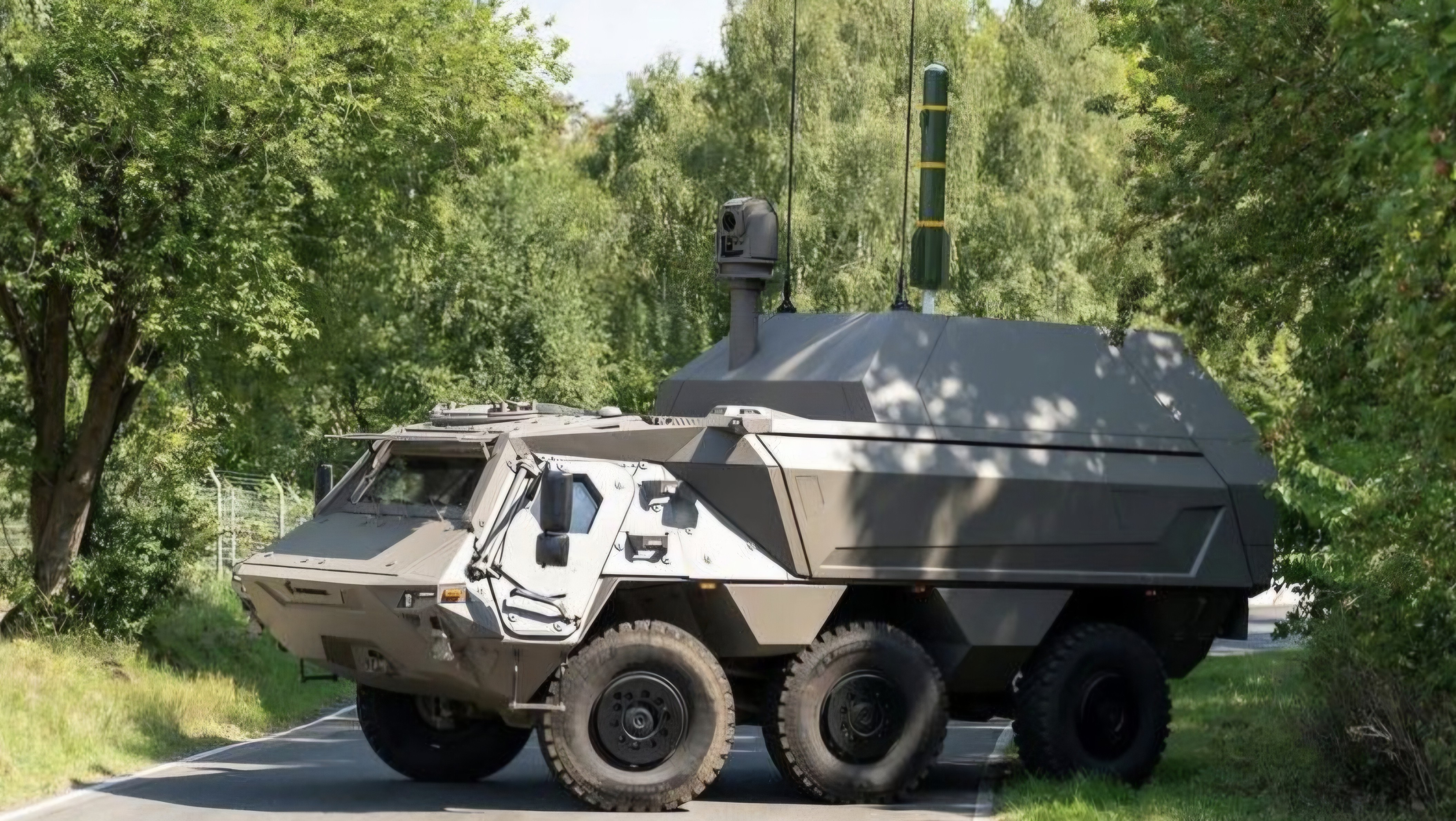
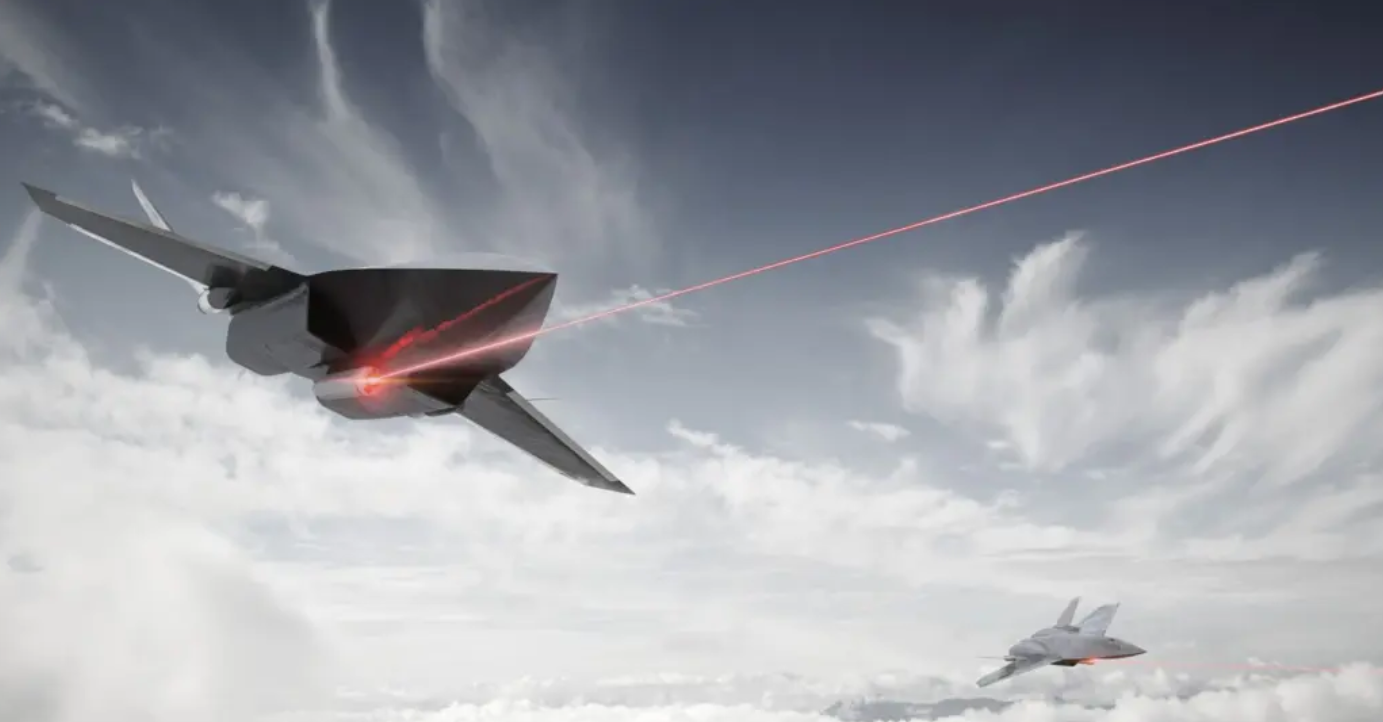
For decades, military power was built around expensive manned platforms, large formations and long procurement cycles. Tanks, aircraft, artillery and missile systems remain important, but Ukraine has shown how vulnerable traditional forces can become when they are constantly watched, targeted and attacked by cheap unmanned systems.
Petraeus went even further, arguing that tanks are no longer survivable in the same way they once were on a battlefield saturated with drones.
The real problem, however, is not only technology.
It is the military institutions built around it.
Petraeus argues that no NATO country, including the United States, has yet made the “urgent revolutionary institutional change” required by what is happening in Ukraine. Buying more drones is not enough. Militaries need to rethink force structure, training, procurement, personnel policies, bases and manufacturing.
That is a much bigger challenge.
The United States has already taken some steps. The Pentagon recently created a new Autonomous Warfare Command, and each military service is expected to establish its own component command.
Petraeus welcomed the move but warned that simply creating another organization will not solve the deeper problem.
The military system itself has to change.
One of the clearest lessons from Ukraine is speed.
On the battlefield, software can change every week. Hardware can change every few weeks. New frequencies, sensors, countermeasures and tactics appear constantly because both sides are trying to adapt faster than the other.
That is very different from the traditional defense procurement model, where a system can spend years in development before it reaches soldiers.
Petraeus believes the U.S. needs manufacturing capacity that can scale rapidly without necessarily producing at maximum volume all the time. The goal is not only to build more systems, but to be able to change them quickly.
Ukraine has become an extreme example of this industrial model.
President Volodymyr Zelenskyy has said the country could produce as many as 20 million unmanned systems this year. At that scale, the bottlenecks are no longer just factories. Ukraine also needs trained operators and enough optics, gimbals, motors, fiber-optic cable and other components.
That is what modern military readiness increasingly looks like: software developers, drone operators, electronics suppliers and rapid manufacturing lines becoming as important as traditional military hardware.
The lesson is uncomfortable for large defense establishments.
A force can own the most advanced weapons in the world and still be too slow to adapt.
Ukraine’s battlefield experience suggests that future advantage may depend less on having the perfect system and more on being able to replace, modify and improve thousands of systems faster than the enemy.
That requires cultural change as much as technological change.
Petraeus is not arguing that every traditional platform should disappear. His warning is that the balance is shifting, and military organizations built around heavily manned, expensive equipment cannot simply add drones on top and call themselves transformed.
The structure has to change with the technology.
Ukraine has already shown what that future can look like.
The question now is whether NATO will treat it as a lesson — or as something to study after the next war has already started.