No AI Apocalypse? Sam Altman’s U-Turn Exposes the Limits of Tech Prophecy
For years, the message was apocalyptic.
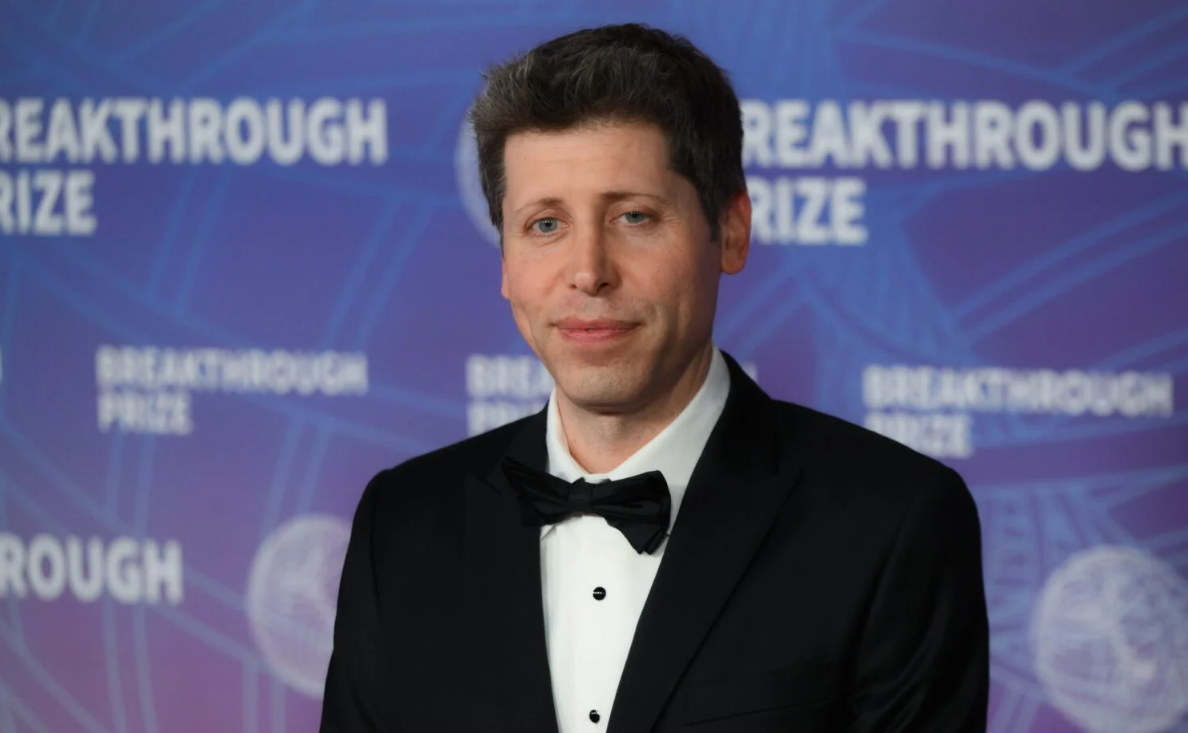
Artificial intelligence, we were told, would wipe out entire professions, dismantle job markets, and trigger an economic shock unlike anything seen before. And few voices amplified that warning louder than Sam Altman, CEO of OpenAI—the company at the center of the AI revolution.
Now, in a moment that may prove more important than the original warnings themselves, Altman has publicly admitted: he got it wrong.
Speaking at a recent technology conference, Altman conceded that while the technological trajectory of AI has largely followed expectations, its economic and social consequences have not. The feared wave of job destruction—particularly in entry-level office roles—has simply not materialized.
“I’m glad I was wrong,” he said.
That statement deserves more attention than it’s getting. Not because it disproves AI disruption—but because it reveals something deeper: the limits of even the most informed predictions in times of technological upheaval.
From Fear to Friction
When ChatGPT launched in late 2022, it triggered a global shockwave of excitement—and anxiety. Companies began experimenting with automation at scale. Headlines predicted massive layoffs. Executives hinted that large parts of their workforce could soon be replaced.
Altman himself warned in 2023 that “jobs will definitely go away.” Others went even further. Some forecasts suggested that up to half of entry-level white-collar roles could disappear.
Instead, something more complex—and more human—happened.
Yes, companies introduced AI tools. Yes, productivity shifted. And yes, some layoffs were justified—at least publicly—by automation initiatives. But the catastrophic collapse of the job market never came.
Why?
Because economic systems don’t behave like software.
AI can perform tasks—but organizations need time to reorganize around those capabilities. Workers adapt. Roles evolve. New tasks emerge faster than old ones disappear. And crucially, businesses move more cautiously than headlines suggest, especially when jobs, regulations, and reputations are at stake.
The Myth of Instant Disruption
The real mistake was not overestimating AI’s power, but underestimating the inertia of society.
Technologists often assume that capability equals adoption—that once something becomes possible, it will happen quickly and at scale. History says otherwise.
Electricity, the internet, and automation itself all followed a different path: rapid technological breakthroughs followed by slower, uneven societal integration.
Artificial intelligence appears to be following the same pattern.
Rather than a sudden job collapse, we’re seeing a gradual reshaping of work: tasks becoming automated, roles expanding, and entirely new categories emerging. In many cases, AI is not replacing workers—it is redefining what their work looks like.
Transparency Over Certainty
Altman’s admission also contains a rare and valuable signal in the tech industry: intellectual humility.
In a sector often driven by bold claims and aggressive timelines, acknowledging error is unusual—and important. Altman argued that companies developing transformative technologies have a responsibility to be transparent about risks, even if some predictions prove inaccurate.
He is right.
Because the alternative—downplaying risks or pretending certainty—would be far more dangerous.
AI will still reshape labor markets. It will still create winners and losers. And it will almost certainly disrupt certain professions in ways we cannot fully predict.
But what Altman’s reversal shows is that disruption may arrive less like an explosion—and more like a slow, relentless drift.
The Real Risk Isn’t Job Loss—It’s Misjudgment
Perhaps the biggest takeaway isn’t about AI at all.
It’s about how we think about the future.
The narrative of a sudden “AI job apocalypse” was compelling—but simplistic. It underestimated human adaptability, economic complexity, and the unpredictability of innovation.
And that misjudgment carries its own risk.
Overhyping threats can lead to panic, poor policy decisions, and misplaced corporate strategies. Underestimating them can lead to complacency.
The challenge for leaders—whether in tech, business, or government—is not to predict the future perfectly.
It’s to navigate uncertainty without being blinded by it.
Sam Altman’s admission doesn’t mean AI is harmless.
It means the story is more complicated than we thought.
And that may be the most important lesson yet.