News from ILA Berlin 2026. How Student Innovation is Rethinking Wildfire Detection - Project EAGLES
Wildfires are no longer distant, seasonal disasters—they are rapidly becoming a defining challenge of our time. As climate change intensifies, response alone is no longer enough. Detection must come earlier, faster, and smarter. And in a surprising twist, some of the most promising answers are not coming from large aerospace corporations—but from students.
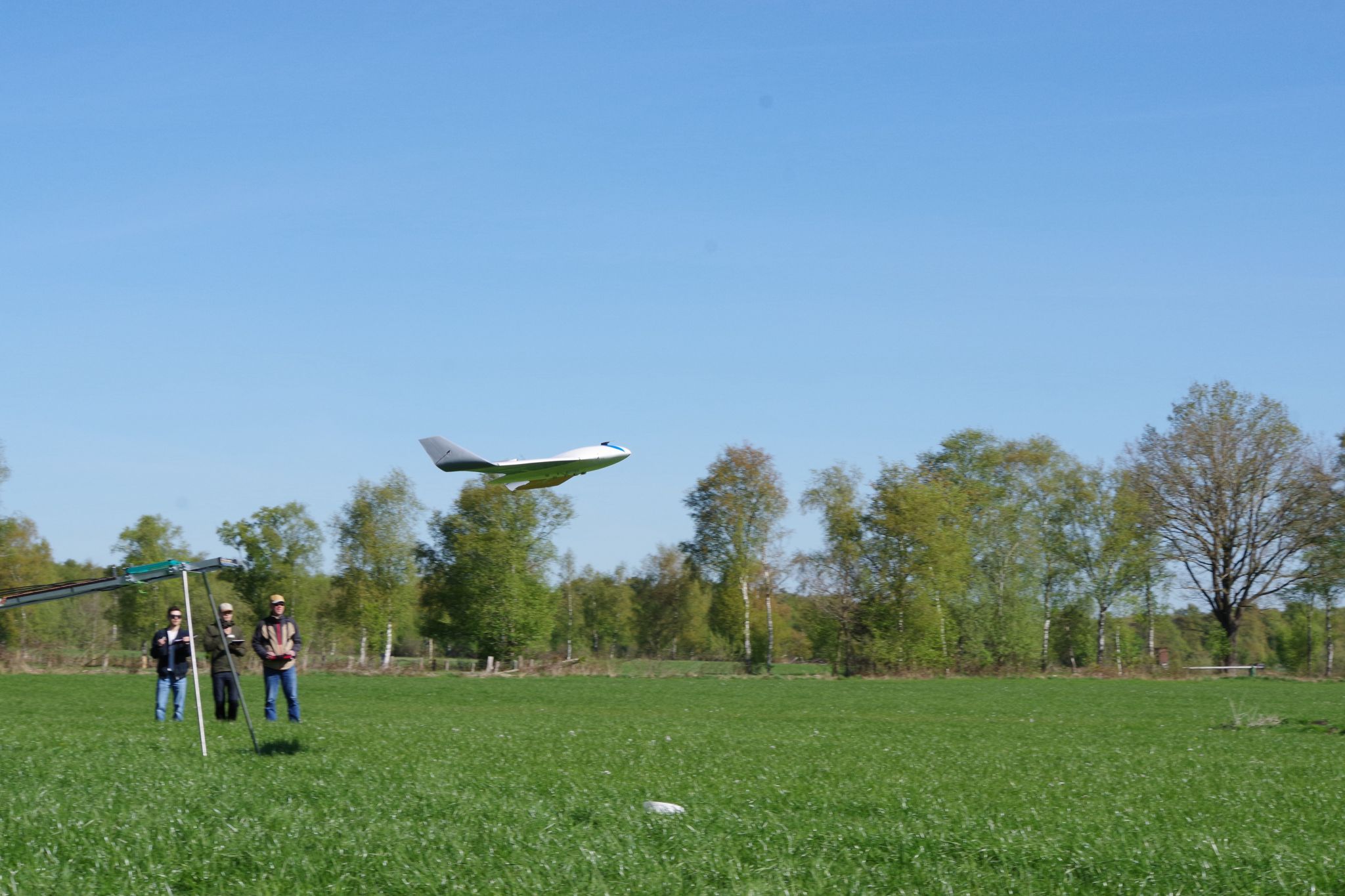
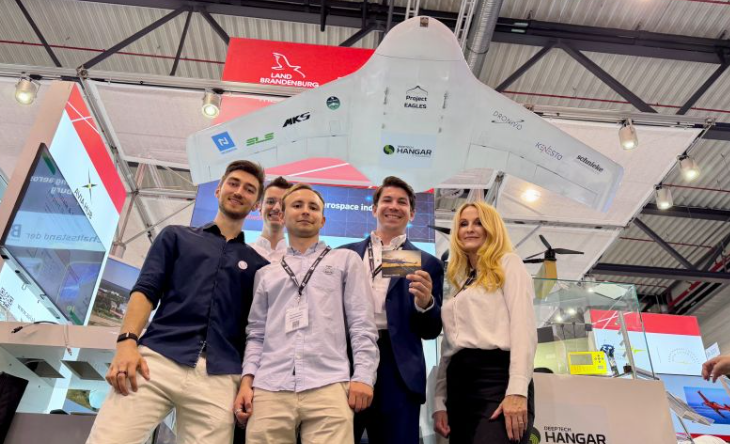
At the Technische Universität Berlin, a group of young engineers behind Project EAGLES is quietly rethinking how we approach wildfire monitoring. Their concept: a Blended-Wing-Body UAV designed specifically for long-endurance missions over vast forest areas. Not flashy. Not over-engineered. But deeply purposeful.
The idea sounds deceptively simple—spot wildfires early. But the reality is anything but. Traditional wildfire monitoring still relies heavily on satellites, ground personnel, and reactive measures. By the time flames are visible, valuable time is already lost. What EAGLES proposes is a shift in paradigm: continuous aerial surveillance that detects hotspots before they escalate into uncontrollable disasters.
At the heart of this concept lies endurance. A UAV that can stay in the air for extended periods, covering wide and remote landscapes, is far more than just a drone—it becomes a sentinel. A persistent eye in the sky that doesn’t blink. But long endurance isn’t achieved through aerodynamics alone. It requires a holistic approach—lightweight structures, efficient energy management, and critically, reliable connectivity.
This is where seemingly small components begin to play an outsized role. Micro-connectors—often overlooked in grand system designs—are enabling exactly the kind of high-performance integration that missions like this demand. Stable, lightweight, and durable connections ensure that sensors, communication systems, and onboard electronics work seamlessly over long durations and under harsh environmental conditions. Without them, endurance is just theory.
During a recent meeting at ILA Berlin, the intersection of ambition and execution became tangible. Members of the EAGLES team shared not only their technical progress but also something more compelling: their mindset. There was no sense of “student project” modesty—instead, a clear vision, sharp understanding of real-world challenges, and a determination to build something that matters.
That distinction is important. Because this is not innovation for the sake of innovation. It is engineering with a purpose. A direct response to one of today’s most urgent environmental threats. The team is not merely building a UAV—they are building a system designed to protect ecosystems, infrastructure, and lives.
What makes this effort particularly provocative is how it challenges the traditional structure of aerospace innovation. It suggests that agility, creativity, and purpose can outweigh sheer scale. That the next breakthrough might emerge not from billion-euro programs, but from focused, interdisciplinary teams driven by clear objectives.
And perhaps that’s the real story here. Not just a drone. Not just wildfire detection. But a shift in how innovation happens.
Wildfires don’t wait. And increasingly, neither does the next generation of engineers.