Kyiv Under Fire, Crimea Under Pressure. Ukraine’s War Shifts from Defense to Strategic Disruption
Russia launched another wave of attacks across Ukraine this week, striking Kyiv with ballistic missiles, targeting Odesa's critical port infrastructure, and continuing intense pressure along multiple front-line sectors. Yet the most significant story emerging from the battlefield may not be Russia's offensive operations, but Ukraine's increasingly sophisticated campaign to dismantle the military machinery that sustains them.
The war is no longer defined solely by trenches and territorial advances. It is becoming a contest between two competing military philosophies: Russia's reliance on mass attacks and attritional pressure versus Ukraine's growing emphasis on precision strikes, drones, intelligence networks, and strategic disruption.
Kyiv once again found itself in the crosshairs.
Ballistic missiles struck the Ukrainian capital during the early hours, damaging residential and industrial infrastructure and injuring civilians, including a child. Fires broke out across several districts, transportation networks suffered disruptions, and emergency crews raced to deal with damage caused by both missile impacts and falling debris.
Despite Ukraine's increasingly effective air defense network, ballistic missiles remain one of the most difficult threats to intercept. Their speed and trajectory compress reaction times and place enormous pressure on Patriot missile batteries defending key population centers.
Meanwhile, along the Black Sea coast, Russia targeted Odesa's port facilities with a coordinated attack involving cruise missiles and drones. The strike damaged infrastructure, triggered fires, and claimed civilian lives. For Moscow, the strategy is clear: weaken Ukraine's economic lifelines by targeting ports, logistics hubs, and transportation infrastructure.
But Ukraine is increasingly responding far beyond the front line.
In one of the most striking developments, Ukrainian unmanned systems reportedly carried out a broad campaign against Russia's so-called "shadow fleet" operating in support of occupied Crimea. Tankers, cargo vessels, ferries, tugboats, fuel terminals, electrical substations, and communications infrastructure all came under attack.
The message was unmistakable.
Ukraine is no longer satisfied with intercepting Russian attacks. It is attempting to destroy the logistical ecosystem that enables them.
The campaign reflects a growing understanding of modern warfare. Fuel depots power tanks. Tankers transport supplies. Port terminals load equipment. Electrical grids keep logistics hubs operational. Destroying one target creates problems. Disrupting an entire network creates paralysis.
Even more telling is the increasingly systematic nature of Ukrainian strikes.
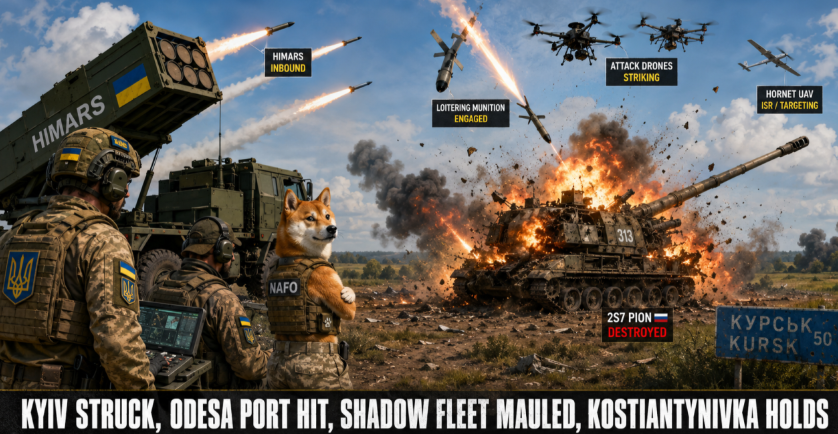
In Russia's Kursk region, Ukrainian forces reportedly located a powerful 2S7 Pion self-propelled artillery system. Rather than relying on a single weapon, they executed a layered operation involving reconnaissance drones, loitering munitions, FPV systems, and HIMARS precision rockets until the target was completely destroyed.
This "sensor-to-shooter" model has become one of Ukraine's defining battlefield advantages.
Find the target. Track it continuously. Strike repeatedly. Assess damage. Strike again if necessary.
That process is now being applied across the battlefield.
Near Kostiantynivka, Ukrainian forces demonstrated similar tactics against Russian positions occupying damaged urban structures. Reconnaissance assets identified enemy locations, aviation delivered precision strikes, and FPV drones completed the engagement against surviving personnel.
The result is a battlefield where concealment is increasingly temporary and movement increasingly dangerous.
Russia continues to maintain pressure through small assault groups supported by artillery, drones, motorcycles, and glide bombs. While these tactics have generated localized advances, they have also come at significant cost in manpower and equipment.
Ukraine's answer has been to attack not merely frontline troops but the systems supporting them: fuel trucks, ammunition carriers, electronic warfare units, command posts, logistics nodes, and rear-area infrastructure.
That transformation is reshaping the conflict.
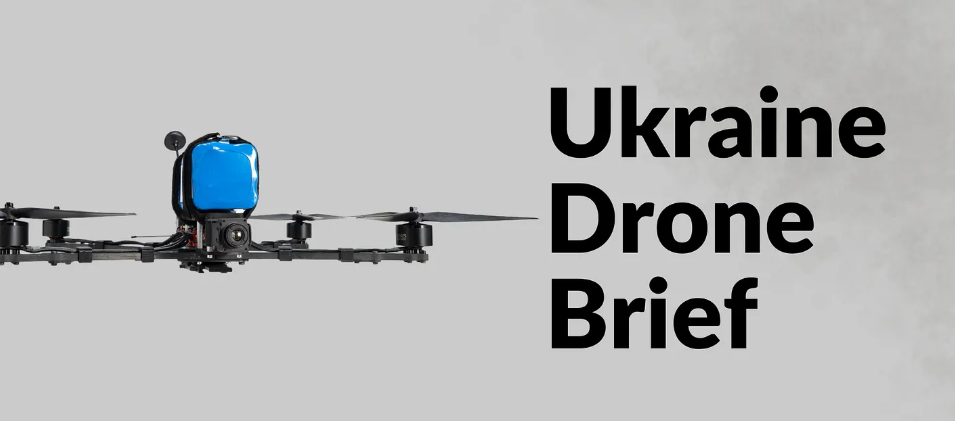
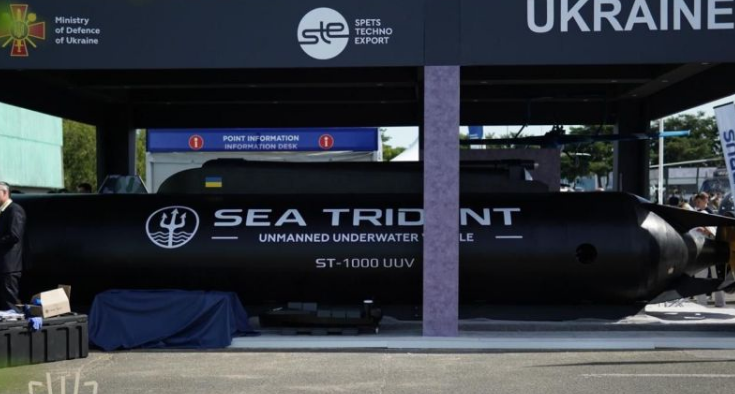
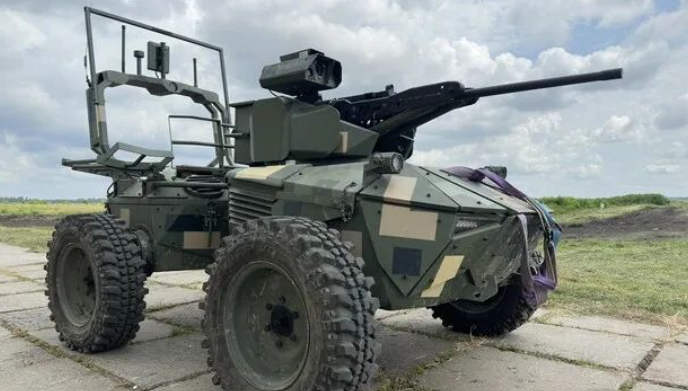
The drone war is evolving at remarkable speed. Autonomous guidance systems, ground robots, maritime strike drones, long-range FPVs, and integrated reconnaissance networks are reducing the dependence on traditional battlefield formations. Technology is increasingly determining operational success as much as troop numbers.
For Ukraine, survival remains the immediate objective. But increasingly, the strategy appears to be larger than defense.
By targeting ports, fuel networks, air-defense systems, artillery assets, and transportation infrastructure, Ukraine is attempting to raise the cost of war for Russia at every level.
Kyiv still stands.
Odesa still stands.
Kostiantynivka still holds.
At the same time, fuel depots burn, logistics routes are disrupted, artillery pieces disappear under precision strikes, and supply chains supporting occupied territories face growing pressure.
The battlefield remains brutal, uncertain, and costly. Yet one trend is becoming increasingly difficult to ignore: while Russia continues to attack cities and front lines, Ukraine is steadily expanding a campaign designed to make sustaining that war ever more expensive.
In modern warfare, victory is not achieved only by taking ground.
Sometimes it begins by making sure the enemy can no longer afford to keep moving.