Firestorm Labs’ $82M Bet - If Supply Chains Fail, Bring the Factory to the Battlefield
In a Pacific conflict, the United States faces an inconvenient reality: its drone factories are thousands of miles from the fight.
Those factories depend on fragile supply chains—cargo ships, aircraft, ports and runways—all of them vulnerable. If the flow of parts is disrupted, production stops. And in a modern war, stopping production may matter more than losing a battle.
San Diego–based Firestorm Labs thinks the solution isn’t hardening the supply chain. It’s eliminating it altogether.
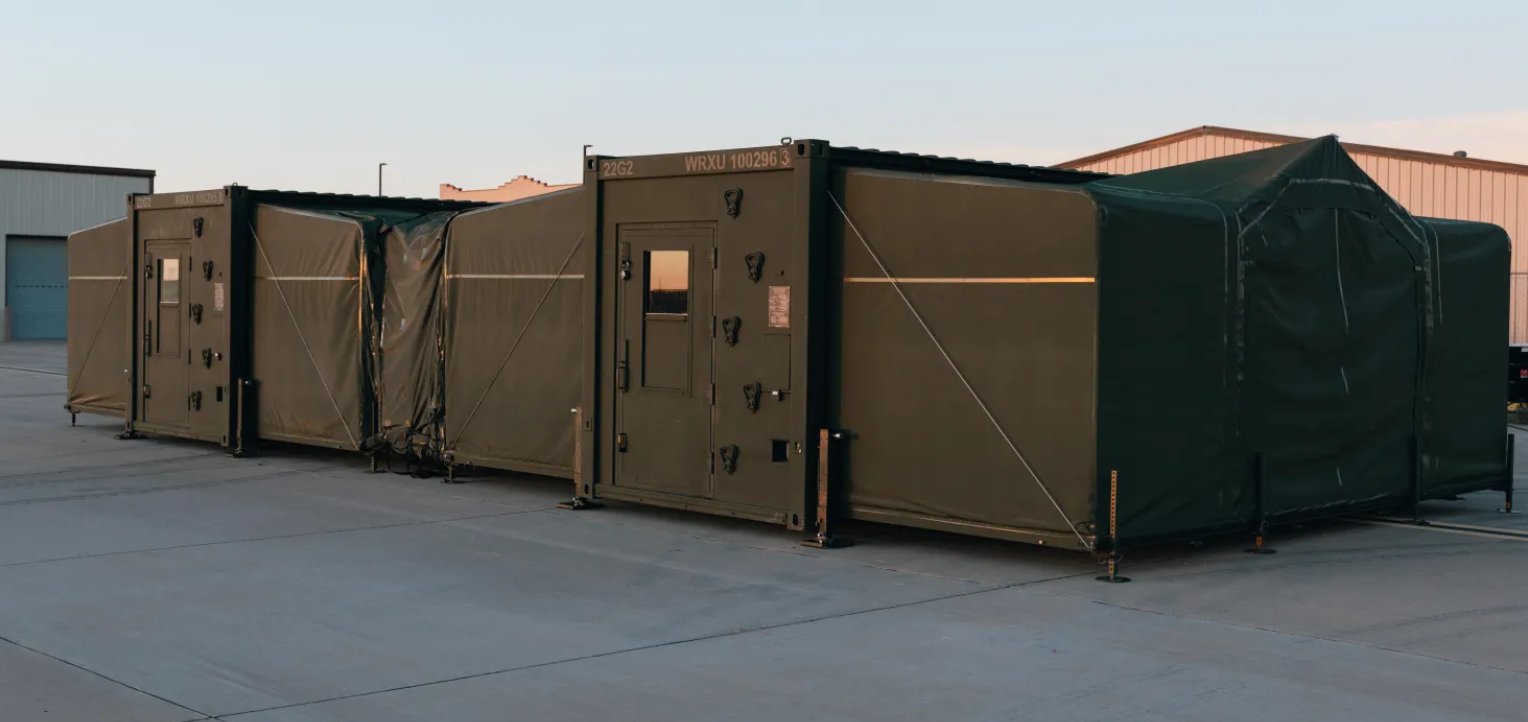
This week, Firestorm announced an $82 million Series B round, bringing total funding to $153 million. The round was led by Washington Harbour Partners, with backing from NEA, In‑Q‑Tel, Lockheed Martin Ventures, Booz Allen Ventures, and others. The funding will accelerate deployment of xCell, a containerized drone factory designed to operate directly in contested environments.
Each xCell unit fits inside a standard shipping container. Inside is an industrial‑grade HP 3D printer, covered by a five‑year global exclusivity agreement, capable of printing drone airframes and systems in under 24 hours. Final components and payloads are added separately, allowing rapid reconfiguration based on mission needs.
Firestorm didn’t initially set out to build factories. The company started as a drone manufacturer, but feedback from military customers drove a pivot. They didn’t want drones delivered months later. They wanted drones built where the fight is.
CEO Dan Magy, a veteran defense tech founder, leads the company alongside co‑founder Chad McCoy, a former special operations professional, and CTO Ian Muceus, who holds more than a dozen patents in additive manufacturing. Their backgrounds converge around a single idea: speed beats scale when logistics are under fire.
The Pentagon agrees. “Contested logistics”—the ability to move and produce weapons while under attack - has become one of only six national critical technology areas for U.S. defense investment. Fixed manufacturing sites are now seen not as assets, but as targets.
Firestorm’s xCell platform turns that vulnerability into something mobile, modular, and replaceable.
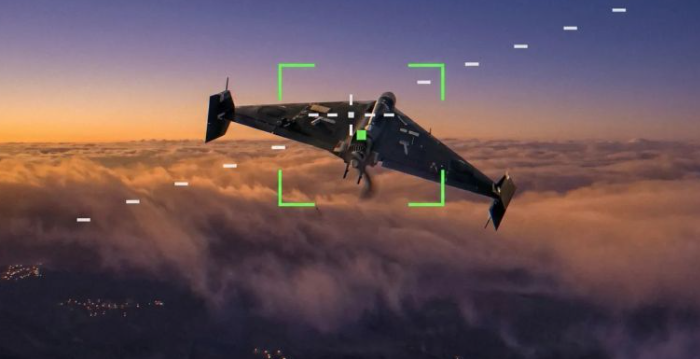
The drones produced inside xCell aren’t single‑purpose. According to Magy, they can be configured for surveillance, electronic warfare, and lethal operations, depending on operational requirements. All platforms are delivered to uniformed Department of Defense commands, which deploy them according to existing doctrine.
This isn’t a lab experiment. Firestorm says two xCell units are already deployed domestically—one with the Air Force Research Laboratory in New York and another with Air Force Special Operations Command in Florida. While the company declined to disclose specifics, it confirmed the platform is operational in the Indo‑Pacific, where logistics challenges are at their most severe.
The value isn’t limited to drones. The Army has used xCell to print replacement parts for a Bradley Fighting Vehicle on‑site—components that would normally take months to procure through traditional supply chains. In war, time lost to bureaucracy can be fatal.
Firestorm’s contracts reflect that urgency. The company generates revenue through hardware sales and defense contracts across all U.S. military branches. Its U.S. Air Force agreement alone carries a $100 million ceiling, with $27 million obligated so far.
The bigger ambition lies ahead. Magy has described the Indo‑Pacific as Firestorm’s “main event,” with the goal of full operational deployment within the next two years.
If the last decade of warfare was about precision, the next may be about production speed.
Firestorm Labs isn’t just building drones.
It’s rewriting where wars are manufactured.

.png)