Europe’s New Arms Race Is Being Funded by Venture Capital

Europe’s next defence giants may not begin life behind the gates of a traditional arms factory.
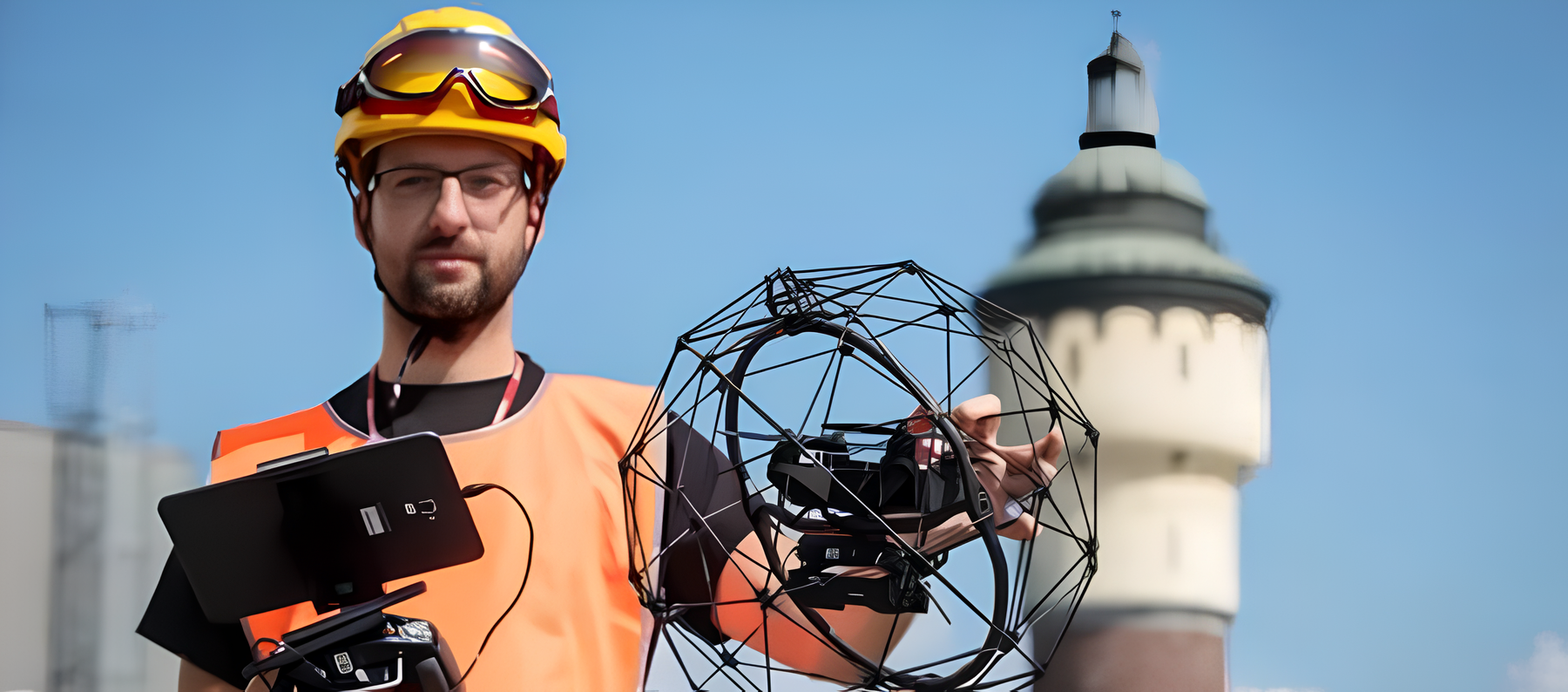
They may start in a Munich robotics lab, a Warsaw deep-tech startup or a young space company trying to convince venture capitalists that its technology can survive both the market and the battlefield.
And increasingly, the money is arriving.
The European defence investment landscape is changing quickly. Technologies once treated as difficult territory for venture capital, from autonomous systems to military communications, are becoming investable categories as European governments focus on technological sovereignty and NATO strengthens its innovation ecosystem.
Perhaps the clearest signal is DTCP.
In January, DTCP announced a new European defence, security and resilience fund with a target of €500 million. By September, DTCP Defence Fund I had closed with €455 million in commitments, targeting areas including AI, autonomous systems, cyber defence, secure communications and space technologies, particularly at Series B and later stages.
That's not experimental capital.
That's scale capital.
And DTCP is hardly alone.
Keen Venture Partners announced a first close of more than €150 million for its European Defence and Security Fund. Its stated focus includes cybersecurity, autonomous systems, deterrence technologies and space applications, with the European Investment Fund and Dutch pension fund PME each committing €40 million.
Then there is the NATO Innovation Fund.
Its €1 billion fund is designed around defence, security and resilience, including AI, manufacturing, space and autonomous robotic technologies. Importantly, it doesn't only invest directly in startups. It has also backed European venture funds including Alpine Space Ventures, OTB Ventures, Join Capital and Vsquared Ventures.
That creates something much more consequential than a list of defence investors.
Europe is beginning to build a defence-capital stack.
At one end are founders developing technologies.
At another are specialist venture funds willing to finance them.
Above that are institutional investors and strategic capital providers.
And increasingly, organisations connected to NATO are helping connect promising technologies with defence customers and capability requirements.
The recently created NATO DIANA Capital Network demonstrates where the model could be heading. Its first group of 24 investors includes DTCP, Alpine Space Ventures, OTB Ventures, Vsquared Ventures, NATO Innovation Fund, Bpifrance, Lockheed Martin, Project A and others. NATO DIANA says the network is intended to connect screened investors with DIANA innovators and help technologies move toward real-world capabilities. [diana.nato.int]
That matters because defence startups need something ordinary software startups often don't:
a bridge between capital and procurement.
Investment can finance development.
But it cannot manufacture a defence customer.
That has historically been one of Europe's structural problems. Keen Venture Partners, for example, argues that innovators have lacked both capital and access to initial defence customers.
Ukraine has made the cost of slow innovation brutally visible.
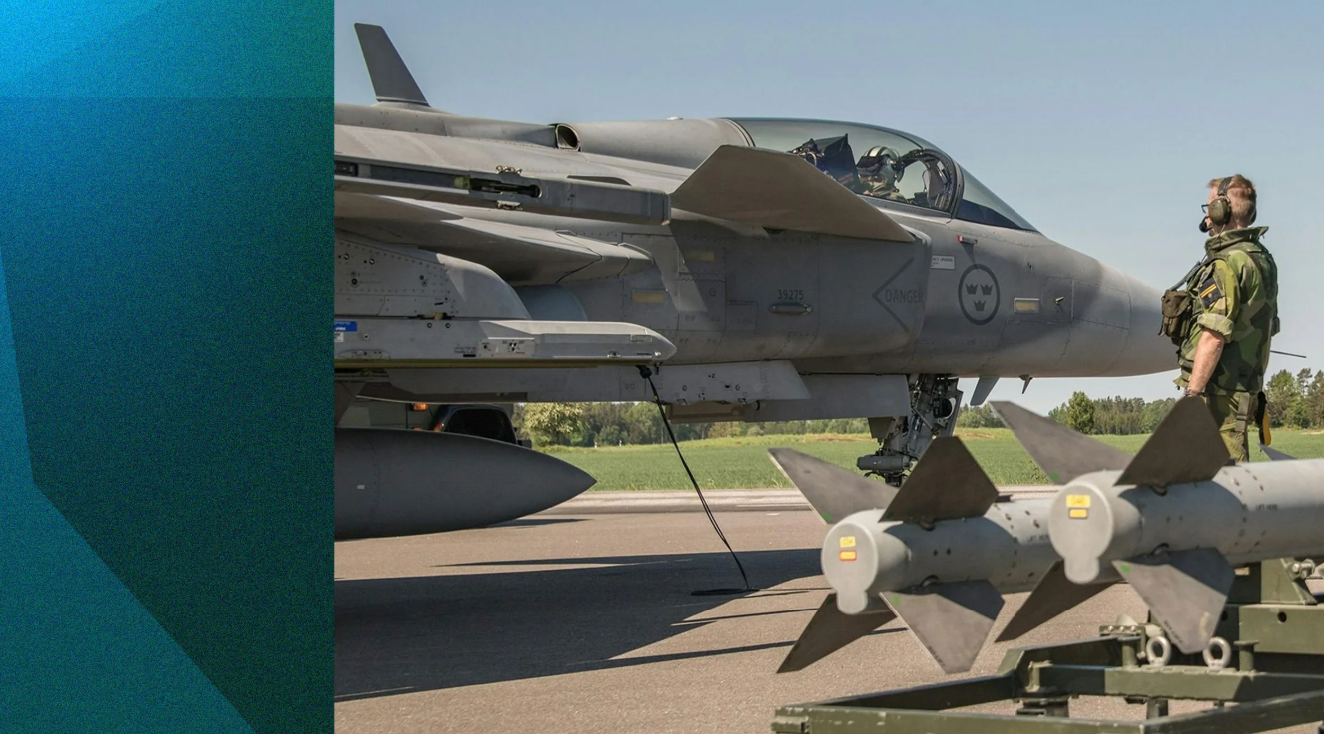
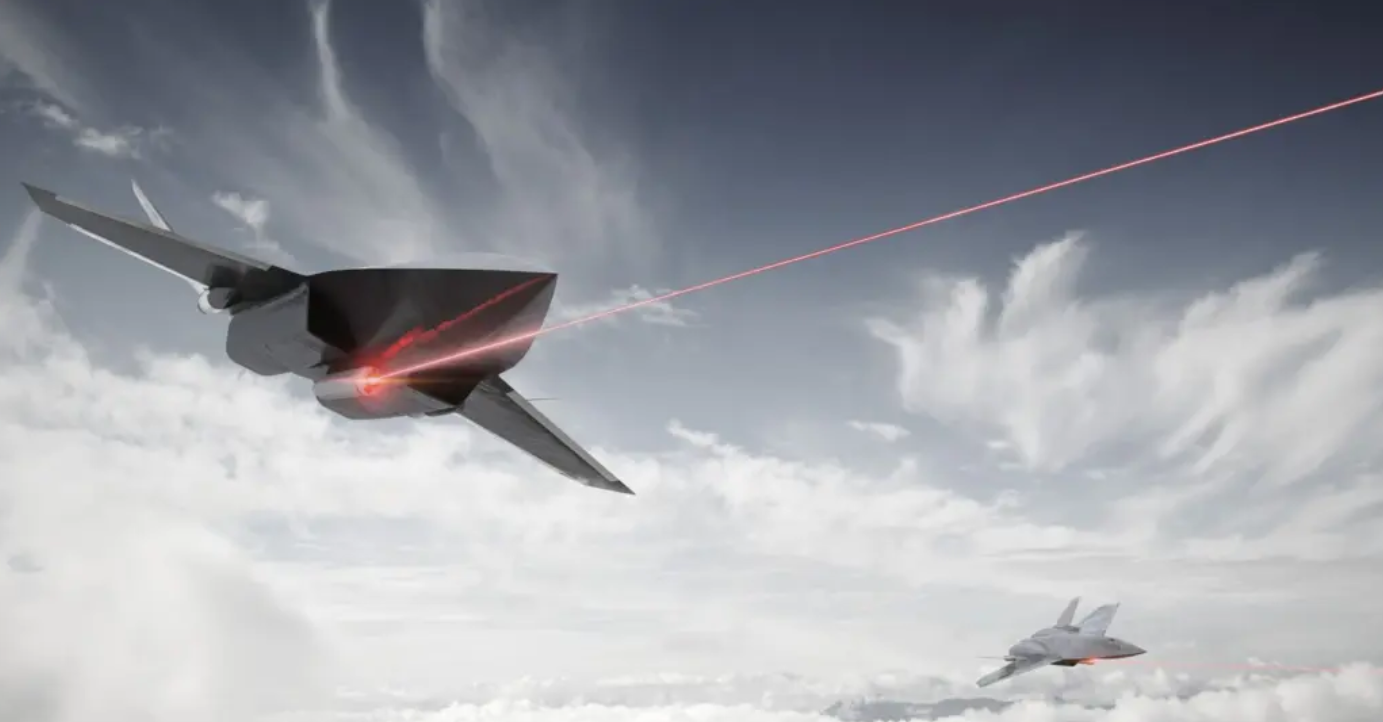
Modern warfare increasingly rewards technologies capable of being developed, manufactured, updated and deployed rapidly. Artificial intelligence, autonomous systems, drones, robotics, sensors, secure communications and space infrastructure have consequently become part of the same strategic conversation.
And that conversation is now happening inside investment committees as well as defence ministries.
The geography is revealing too.
The ecosystem stretches across Germany, the Netherlands, Poland, France and the wider European and NATO investment community.
That doesn't mean every deep-tech fund has suddenly become an arms investor. Space and aerospace technologies frequently have civilian as well as defence applications, while investment mandates differ significantly.
But the taboo around defence investment is clearly weakening.
Capital is beginning to understand what European governments have already discovered:
technological sovereignty costs money.
Europe spent decades relying heavily on established defence primes and government procurement.
The next phase could look different.
Startups invent.
Specialist funds finance.
Governments procure.
Institutional investors provide scale.
NATO-linked networks help connect the ecosystem.
If that machinery works, Europe's next strategically important defence company may not emerge from an established industrial champion.
It could be sitting inside somebody's Series A portfolio today.
The new European arms race has therefore already begun.
And this time, some of its most important players are carrying term sheets instead of missiles.