How the European Union Is Turning Defence Cooperation Investments into Real Capability
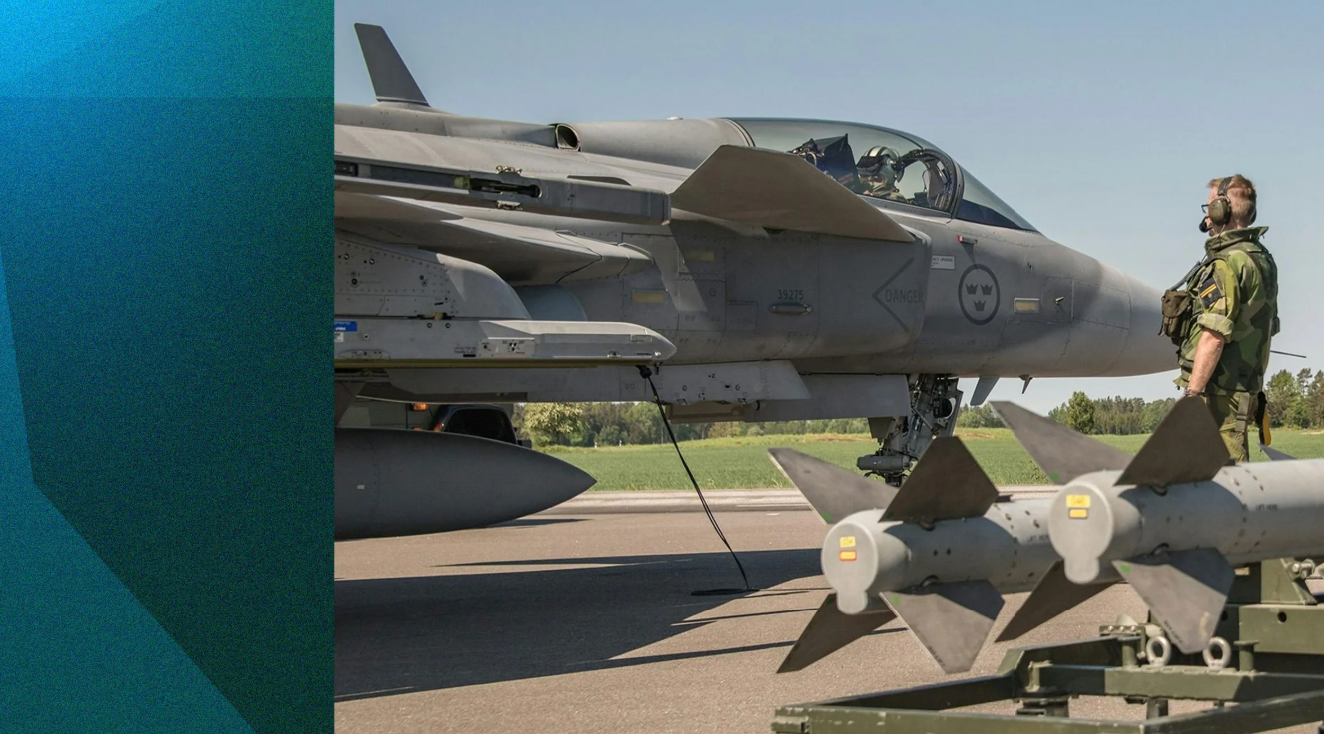
The European Union’s approach to security is undergoing a fundamental transformation. The text outlines a clear shift from fragmented national efforts toward a coordinated, industrially grounded, and investment‑driven European defence strategy. Under the guiding principle of “Protect what matters,” the EU frames security not as an abstract policy domain, but as a shared responsibility that directly affects citizens, borders, and long‑term stability.
A fundamentally changed security environment
The contemporary European security environment is shaped by multiple, reinforcing pressures. Russia’s war against Ukraine has acted as a catalyst, exposing long‑standing capability gaps and the limitations of relying on peacetime assumptions. At the same time, growing geopolitical rivalries, hybrid threats, and rapid technological change—particularly in areas such as drones, cyber, and electronic warfare—have redefined what it means to protect European citizens and preserve peace.
The text makes clear that these challenges are not isolated or temporary. Instead, they represent a structural change that demands sustained political unity, strategic investment, and operational readiness. The EU’s response emphasizes resolve and collective action, signaling that security is no longer treated as a secondary policy area but as a core pillar of European governance.
Citizens’ expectations as a strategic driver
Public opinion plays a central role in legitimizing and accelerating this shift. The data cited shows that 68% of Europeans believe their country is under threat, while 79% support a common European defence and security policy. These figures indicate a strong societal mandate for deeper cooperation at EU level. Security is no longer perceived solely as a national prerogative; it is increasingly understood as a shared European concern that benefits from common solutions.
This public backing strengthens the EU’s ability to pursue ambitious initiatives, particularly those that require coordination across Member States and long‑term financial commitments.
Cooperation as the foundation of European defence
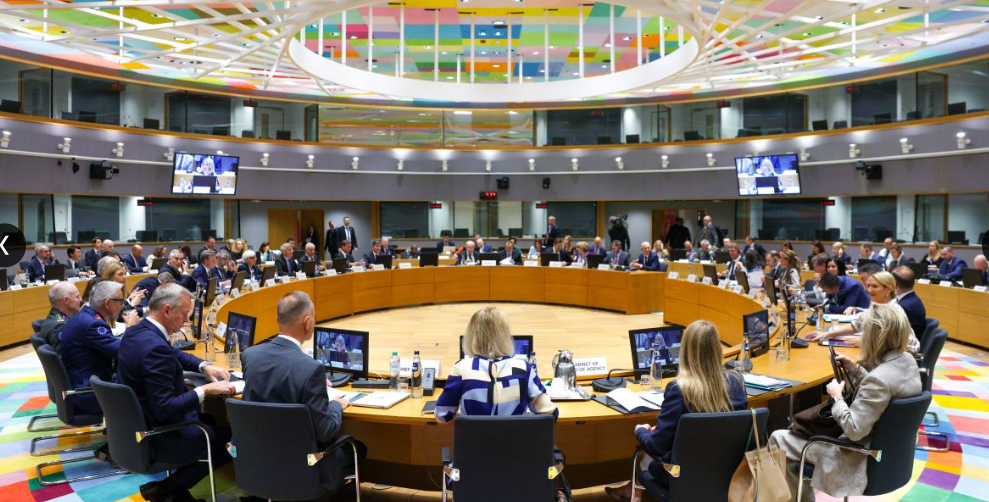
At the heart of the EU’s defence approach is cooperation. The text highlights tangible advantages of acting together: jointly developing capabilities, reducing duplication, achieving better value for money, and enabling faster coordination. These benefits address long‑standing inefficiencies in Europe’s defence landscape, where parallel national programmes have often reduced interoperability and increased costs.
By working collectively, Member States are also reinforcing the EU’s credibility as a security actor while strengthening the transatlantic partnership with NATO. Cooperation is presented not as an alternative to NATO, but as a complementary force that enhances Europe’s contribution to collective defence.
Investment matched with policy ambition
A defining feature of the EU’s current defence strategy is the scale of investment backing it. The text references up to €800 billion in increased defence spending by Member States through 2030, alongside targeted EU‑level instruments. These include €7.3–8 billion through the European Defence Fund for joint research and capability development, and €1.5 billion dedicated to scaling up industrial capacity.
Crucially, these investments are embedded in a coherent policy framework that spans the full defence cycle—from research and development to industrial readiness, procurement, and financing. Programmes such as the European Defence Fund, EDIP, and Security Action for Europe (SAFE) translate strategic intent into operational mechanisms, supported by fiscal flexibility that enables Member States to act without compromising economic stability.
Industry as a strategic enabler
The text places European industry at the core of this transformation. Security and economic strength are presented as mutually reinforcing. By working closely with industry across manufacturing, technology, and supply chains, the EU aims to help companies scale up, innovate, expand production capacity, and create high‑quality jobs.
This industrial focus underlines a key message: credible defence requires a resilient and competitive industrial base. Rather than treating industry solely as a supplier, the EU positions it as a strategic partner in delivering security outcomes.
Conclusion
Overall, the text reflects a decisive move from fragmented policies and reactive measures toward an integrated European defence model. Cooperation, investment, and industry alignment are no longer aspirational goals—they are becoming the operational reality of how Europe seeks to protect what matters most.