Europe’s €3.47 Billions for Ukraine. The EU Just Moved From Promises to Firepower

For more than four years, Europe has talked about supporting Ukraine.
Now it is writing checks measured in billions.
The European Union's latest €3.47 billion defense disbursement to Ukraine may look like another financial announcement in a long stream of aid packages. It is not.
This payment marks something far more significant.
It represents the transformation of European support from political commitment into industrial mobilization.
The money is earmarked for concrete military capabilities: drones, missiles, air-defense systems, and Swedish-built Gripen fighter aircraft. Unlike broad economic assistance packages, this funding has a clear destination and an even clearer purpose.
It is designed to buy military power.
And that changes the conversation.
Europe Is Becoming an Arsenal
For decades, Europe's defense debate focused on budgets.
How much should governments spend?
Would NATO members meet spending targets?
Could Europe shoulder more responsibility for its own security?
Those questions are being replaced by a much harder one:
Can Europe actually produce enough weapons?
The latest transfer pushes total EU defense-related support to Ukraine to €8.5 billion, with Brussels expecting military-related disbursements to reach €28 billion before year's end.
That scale matters.
Because modern warfare is no longer limited by political will.
It is limited by production capacity.
Factories produce outcomes.
Supply chains determine timelines.
Industrial bottlenecks shape battlefields.
The challenge is no longer deciding whether to help Ukraine.
The challenge is manufacturing fast enough to make a difference.
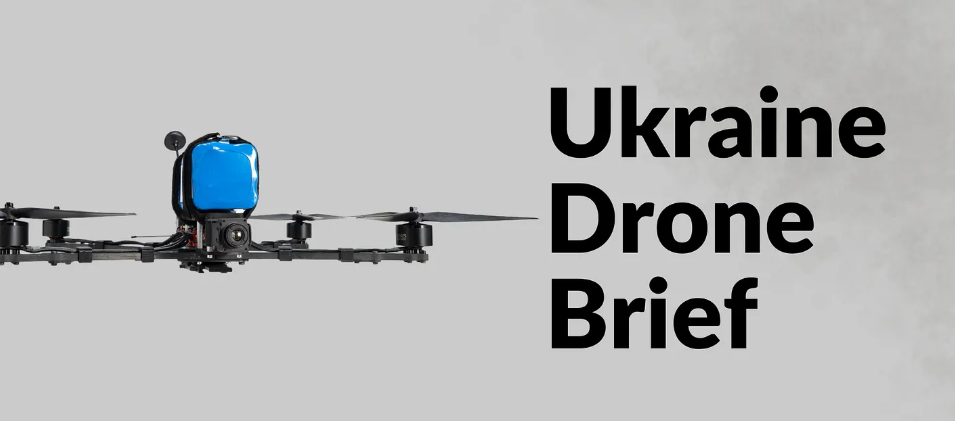
The Drone Economy of War
Perhaps the most important detail in the latest package is not the aircraft or missiles.
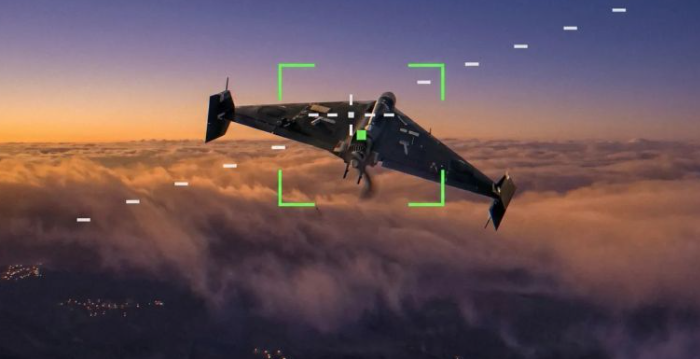
It is the drones.
Ukraine has become the world's largest laboratory for unmanned warfare. Every month, new concepts, technologies, and tactics emerge at a pace unprecedented in modern military history.
The result is a profound shift in defense procurement.
Drones are no longer supplementary systems.
They have become essential military infrastructure.
Governments across Europe are watching closely.
Every procurement contract issued for Ukraine provides lessons that will influence future European force structures, industrial strategies, and defense priorities.
What is purchased today for Ukraine may define what European armies acquire tomorrow.
The Gripen Signal
The inclusion of Swedish-built Gripen fighter aircraft carries significance beyond military capability.
It sends a strategic industrial message.
Europe increasingly wants European defense spending to strengthen European industry.
For years, major procurement decisions often benefited suppliers outside the continent. Today's political climate is different.
Ukraine's defense is increasingly being linked with the broader objective of strengthening Europe's industrial base.
The idea is simple.
Every euro spent should contribute twice:
First, by helping Ukraine resist aggression.
Second, by expanding Europe's ability to defend itself.
The Factory War
What makes this moment unique is that Ukraine's war is increasingly becoming a competition between industrial systems.
The side capable of producing more sensors, more drones, more ammunition, more air-defense interceptors, and more replacement parts gains a decisive advantage.
Military analysts often focus on battlefield developments.
Industrial capacity may prove even more important.
A sophisticated missile that cannot be manufactured in sufficient numbers offers limited strategic value.
An advanced drone delayed by supply-chain constraints arrives too late.
Production speed has become a weapon.
And Europe is finally beginning to treat it that way.
From Support Package to Strategic Transformation
The political significance of the €3.47 billion transfer should not be underestimated.
This is one of the clearest examples yet of European financing being directly connected to specific military capability categories.
The money is not merely symbolic.
It is operational.
It will become contracts.
Those contracts will become production orders.
Those production orders will become weapons, platforms, and systems.
The real test now begins.
Can industry convert funding into deliveries?
Can manufacturers increase output fast enough?
Can Europe's defense sector keep pace with demand?
The Real Question
Europe has spent years debating strategic autonomy.
Now it has an opportunity to build it.
The latest funding package is about far more than Ukraine.
It is a stress test for Europe's defense-industrial future.
If Brussels ultimately succeeds in channeling tens of billions of euros into rapidly delivered military capability, it could reshape the continent's defense ecosystem for decades.
If production capacity fails to keep up, money alone will not change the strategic balance.
The era of declarations is over.
The era of delivery has begun.
And for Europe, the true battlefield may no longer be the front line.
It may be the factory floor.