Europe’s Defence Awakening. European Defence Fund Calls Signal a New Era of Strategic Innovation
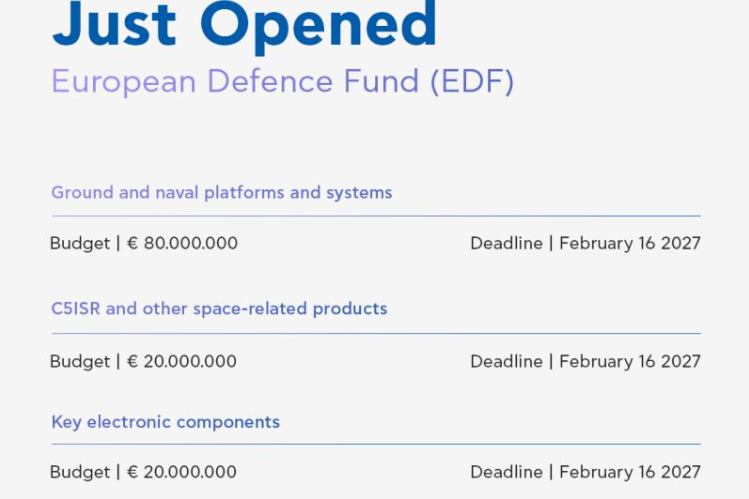
Europe is moving fast—and this time, it is not just rhetoric. The freshly launched calls under the European Defence Fund (EDF), now open as of June 17, 2026, send a clear and unmistakable message: defence innovation in Europe is no longer optional; it is urgent, strategic, and deeply integrated with technological sovereignty.
From next-generation ground and naval platforms to advanced space-enabled systems and critical electronic components, the scope of the latest EDF calls reflects a continent recalibrating its ambitions—and its readiness.
At first glance, the three thematic pillars of the new calls appear familiar. Ground and naval platforms continue to dominate traditional defence industrial collaboration. C5ISR (Command, Control, Communications, Computers, Cyber, Intelligence, Surveillance, and Reconnaissance) and space-related capabilities align with the ever-growing importance of data superiority and operational awareness. Meanwhile, the emphasis on key electronic components quietly reveals one of the most pressing vulnerabilities in Europe’s defence ecosystem: dependence.
But beneath the surface, this is not just another funding cycle. It is a structural shift.
The EDF, originally conceived to strengthen collaboration between Member States and reduce fragmentation in defence R&D, is now evolving into a powerful engine for industrial transformation. The latest calls reflect a sharper focus on dual-use technologies, resilience against supply chain shocks, and a coordinated European response to geopolitical uncertainty.
And the timing is no coincidence.
As global tensions reshape defence priorities, Europe is confronting a reality long deferred: without technological autonomy, strategic autonomy is an illusion. Semiconductor shortages, disrupted supply chains, and increasing technological decoupling have exposed gaps that these EDF calls are now explicitly designed to address.
This is where the “Key Electronic Components” call becomes particularly provocative. While less glamorous than hypersonic systems or cutting-edge naval platforms, semiconductor technologies and microelectronics are the invisible backbone of modern defence capabilities. Control the chips, and you control the systems.
Similarly, the focus on C5ISR and space-related products underscores a new battlefield—one defined not only by physical assets but by data dominance. Satellites, secure communications, and integrated digital infrastructures are transforming operational theatres into highly networked environments where speed and information precision determine outcomes.
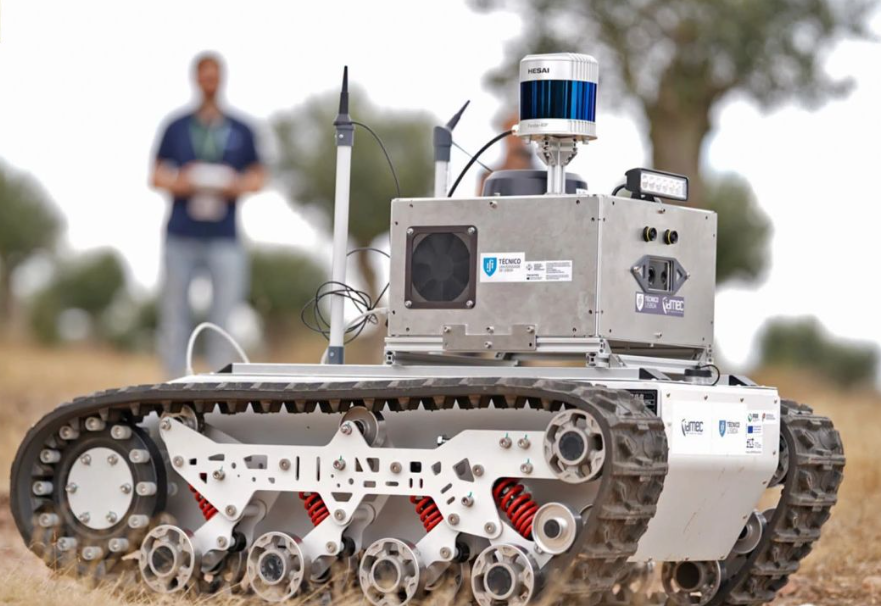
Meanwhile, ground and naval systems are undergoing a quiet revolution. The call is no longer just about hardware; it is about interoperability, modularity, and integration with digital ecosystems. The battlefield is becoming a system-of-systems—and Europe intends to be the architect, not the follower.
For industry players, SMEs, research institutions, and system integrators, the message is equally clear: collaboration is no longer optional—it is a prerequisite. The EDF is not designed for isolated national champions; it demands cross-border consortia, shared expertise, and aligned strategic visions.
This creates both opportunity and pressure.
Opportunity, because early movers can position themselves at the core of Europe’s future defence architecture. Pressure, because the competitive landscape is intensifying, and the bar for participation—both technologically and organizationally—is rising.
Platforms like EUcalls are becoming critical enablers in this context. Navigating the complexity of EDF calls, identifying the right partners, and building competitive consortia require speed, precision, and visibility. In a race where timing is everything, missing the early wave could mean missing the entire cycle.
With a deadline set for February 16, 2027, the clock is officially ticking. But in reality, the decisive phase begins now—during consortium formation, concept definition, and strategic positioning.
The question is no longer whether Europe will invest in defence innovation. The question is who will shape it.
Because one thing is certain: the EDF is no longer just funding projects—it is defining the future of European defence.