Europe Wants Defence Readiness by 2030 — EDA Is Rebuilding for the Job

Europe is talking more seriously about defence readiness, but ambition alone is not enough. More spending, more joint projects and more cooperation between EU Member States also require institutions that can actually turn political priorities into practical results.
That is why the European Defence Agency is changing.
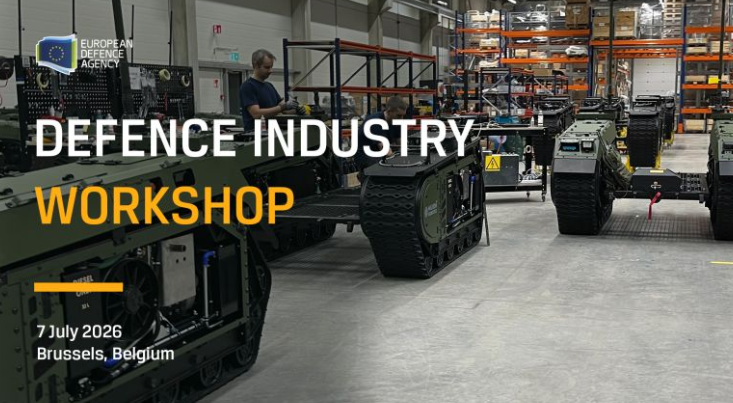
From 1 November, EDA is operating under a new organisational structure. On paper, this may look like an internal administrative change. In reality, it reflects something much bigger: the Agency is preparing for a broader and more demanding role in European defence cooperation.
EU Member States are increasing defence investment and working more closely together. As this happens, EDA is expected to support more cooperation, connect national efforts and help transform shared priorities into concrete projects.
The new structure is designed around that growing responsibility.
The aim is to make EDA stronger, more effective and more agile. These words matter because European defence cooperation can easily become complicated. Member States have different armed forces, different budgets, different industrial capacities and different national priorities. Cooperation therefore needs coordination, clear structures and institutions capable of keeping projects moving.
EDA sits directly in that space.
Its role is not to replace national defence ministries or national armed forces. Instead, it helps Member States cooperate where cooperation makes sense. As countries invest more money in defence, the importance of that role increases. Spending more does not automatically create stronger European defence. If countries purchase similar capabilities separately, develop overlapping systems or fail to coordinate requirements, part of that investment can lose its potential value.
The stronger EDA described in the new structure is therefore about more than organisational efficiency. It is about supporting Member States in turning higher defence spending into greater cooperation and, ultimately, greater readiness.
The 2030 target also changes the sense of urgency.
Defence programmes often take years to move from an idea to an operational capability. Equipment has to be designed, developed, tested, produced and integrated. Cooperation between several countries can make that process even more complex. If Europe wants to improve its defence readiness by 2030, many decisions and cooperative programmes need to move forward well before then.
An agile agency can help reduce some of that friction.
The restructuring also signals that EDA expects its responsibilities to continue expanding. European defence cooperation is becoming more important as Member States increase investment and look for ways to work together more efficiently. This creates pressure not only on governments and defence companies, but also on the organisations responsible for bringing national efforts together.
The real test, however, will not be the organisational chart itself.
A new structure matters only if it produces results: faster cooperation, clearer coordination and concrete outcomes for Member States. That is the standard by which the stronger EDA will eventually be judged.
The direction is clear. Europe wants to be more prepared by 2030, Member States are investing more, and cooperation is becoming a larger part of the defence agenda.
EDA is now reorganising itself to keep pace.
The question is no longer whether Europe needs stronger defence cooperation. The question is whether its institutions can move fast enough to turn that cooperation into real capability.