DroneNews24 @ ILA Berlin 2026. Bigger, Louder, Strategic and Suddenly Unavoidable
ILA Berlin 2026 didn’t just happen — it made a statement. A loud one. With around 110,000 participants, 765 exhibitors from 37 countries, and 330 delegations from 60 nations, the aerospace industry came together not just to showcase technology, but to redefine its global relevance.
This was not another trade show. This was geopolitics, business, and innovation converging on 200,000 square meters near Berlin Brandenburg Airport — and the message was clear: aerospace is no longer a niche industry. It is infrastructure. Strategic infrastructure.
Let’s start with scale. Around 100 aircraft, more than 400 speakers across 300 sessions, and a packed public program that sold out weekends early — these numbers don’t just signal growth. They signal urgency. The world is paying attention again.
And rightly so.
The presence of political leaders set the tone. German Chancellor Friedrich Merz used the ILA stage to introduce a new national aviation strategy — not a coincidence, but a recognition that aerospace is central to economic competitiveness, security, and technological sovereignty. The industry is no longer reacting to global shifts. It is shaping them.
What stood out in 2026 is that the conversation has changed. Sustainability is still on the agenda — with Sustainable Aviation Fuels (SAF), hydrogen propulsion, and lightweight materials at the center — but the narrative has matured. It is no longer about “if” but “how fast.”
At the same time, defence has moved decisively into the spotlight. Drone technologies, AI-enabled operations, and integrated systems are no longer future scenarios — they are present realities. The new Drone Pavilion, including the Drone Cage, made this particularly tangible. Discussions weren’t theoretical; they were operational.
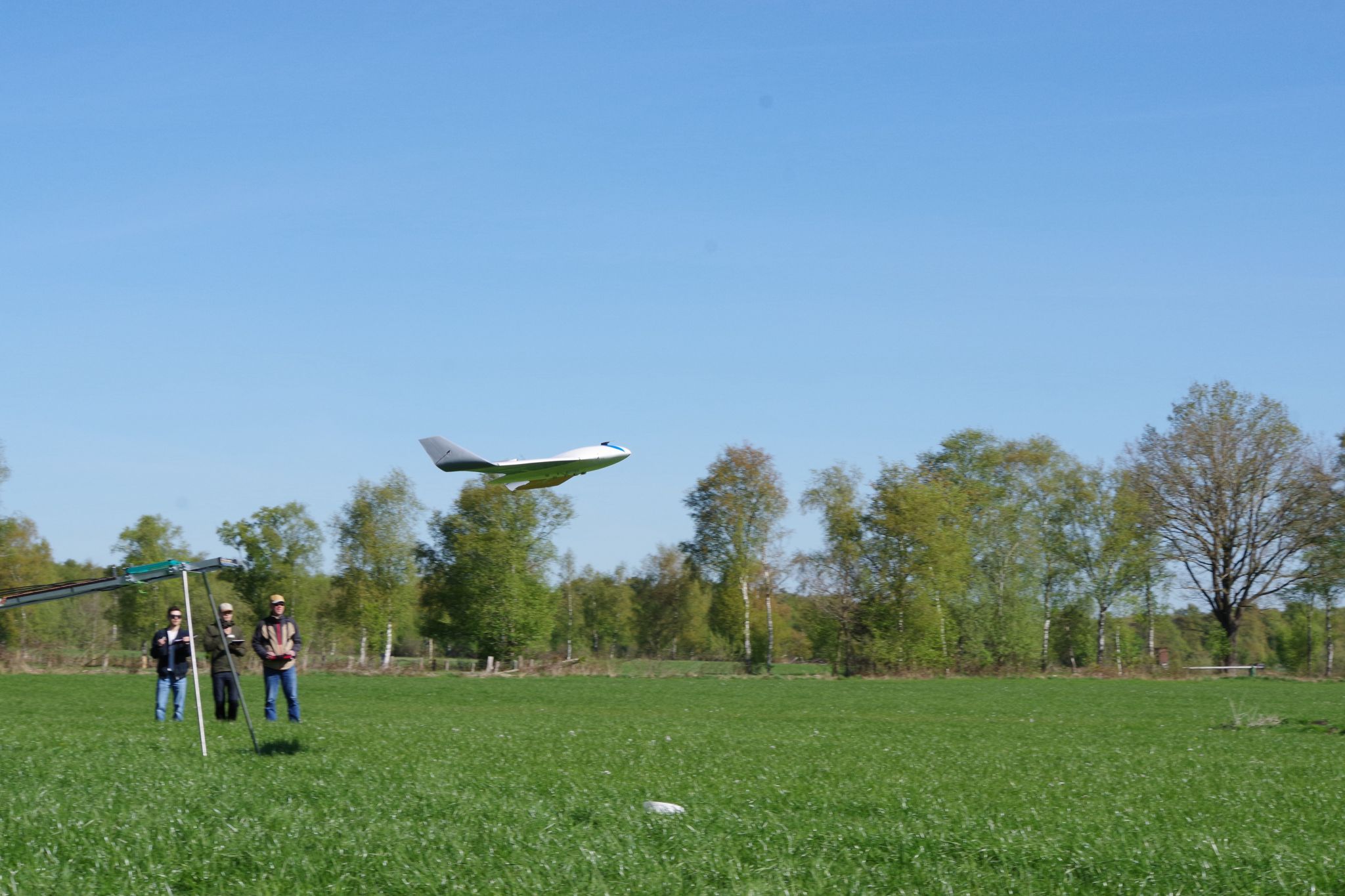
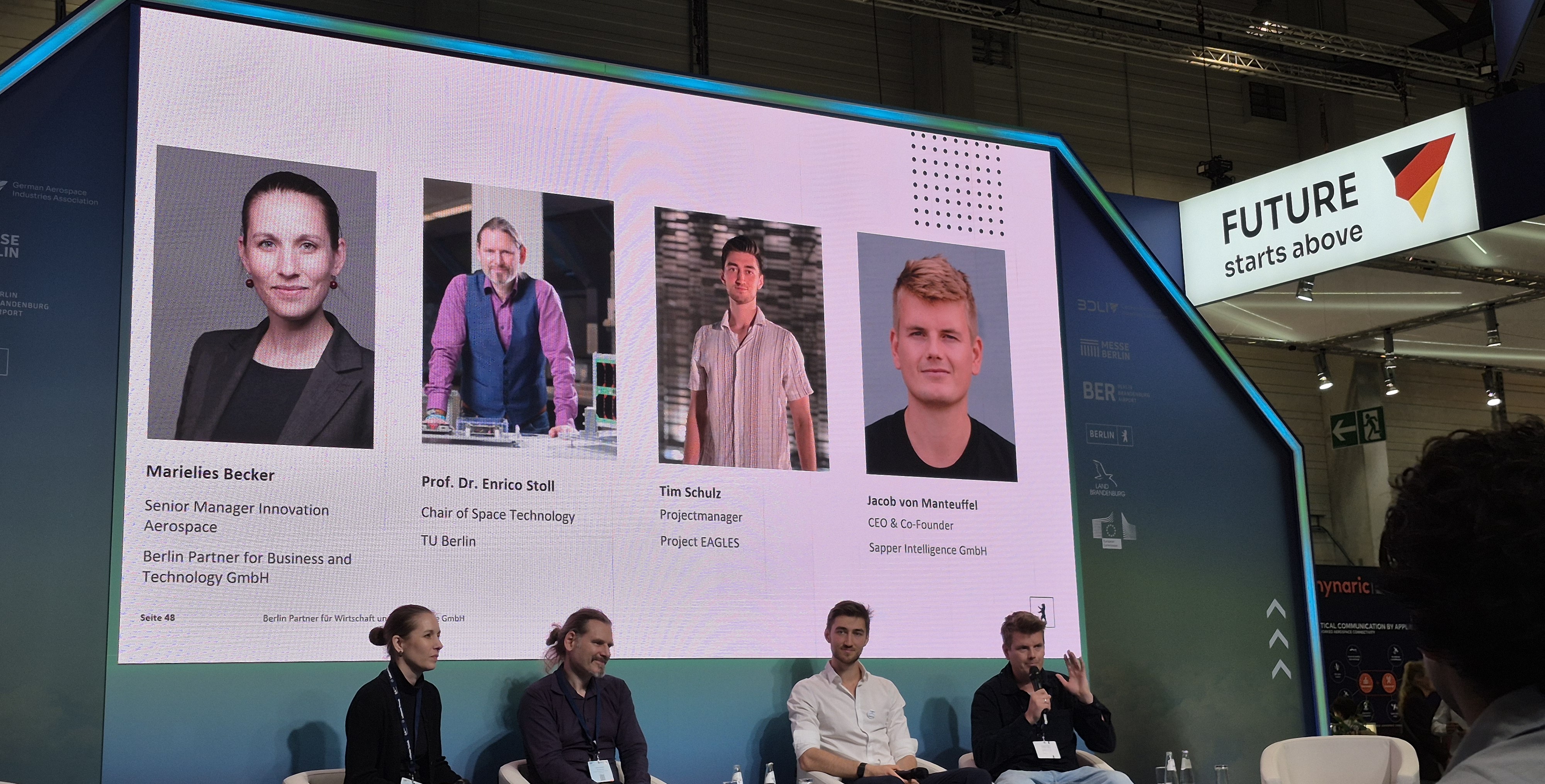
One standout example came from the field: Project Eagles led by Tim Schulz, which presented real-world applications of drones for wildfire protection. This is where aerospace innovation becomes visible in its truest form — not in concepts, but in impact. Early detection, real-time monitoring, and coordinated response via drones show how unmanned systems are moving from experimental tools to life-saving infrastructure.
This is precisely the shift the ILA highlighted: aerospace is no longer only about flying higher or faster. It is about solving critical problems on the ground — from climate change to disaster response and security.
The space segment reinforced this narrative even further. Satellite technologies, Earth observation, and space-based services were presented as essential systems for modern society. A live connection to the ISS with ESA astronaut Sophie Adenot captured the imagination, but the underlying message was pragmatic: without space infrastructure, modern economies simply do not function.
Meanwhile, the supplier ecosystem quietly demonstrated its importance. Materials, components, and digital manufacturing technologies are where competitive advantage begins. As industry leaders emphasized, technological sovereignty starts long before the finished aircraft.
And then there was the public.
From drone workshops to meeting Eurofighter pilots, from exploring aircraft to engaging with future career paths — the ILA succeeded in making aerospace tangible again. The 3,500 participants in the Talent Hub were a strong signal: the industry is not just growing; it is recruiting, repositioning, and fighting for relevance in the next generation workforce.
ILA Berlin 2026 wasn’t just bigger. It was sharper. More political. More strategic. More real.
And perhaps most importantly — it showed that aerospace is no longer just about technology. It is about power, resilience, and the future of how societies function.
The question is no longer whether aerospace matters.
The question is: who will take the lead?