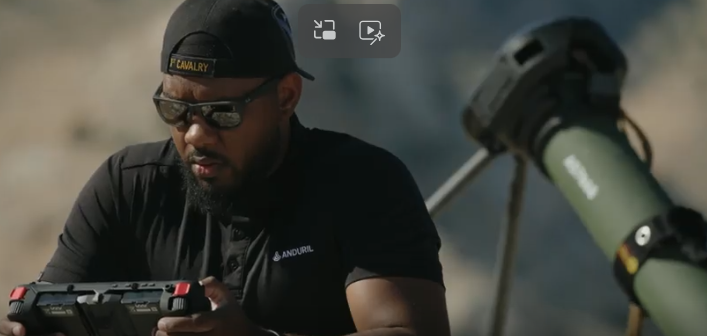
Anduril Industries Black Hawk Just Changed the Rules of War
here was a time when helicopters carried soldiers.
Today, helicopters are beginning to carry something far more disruptive: autonomous weapons.
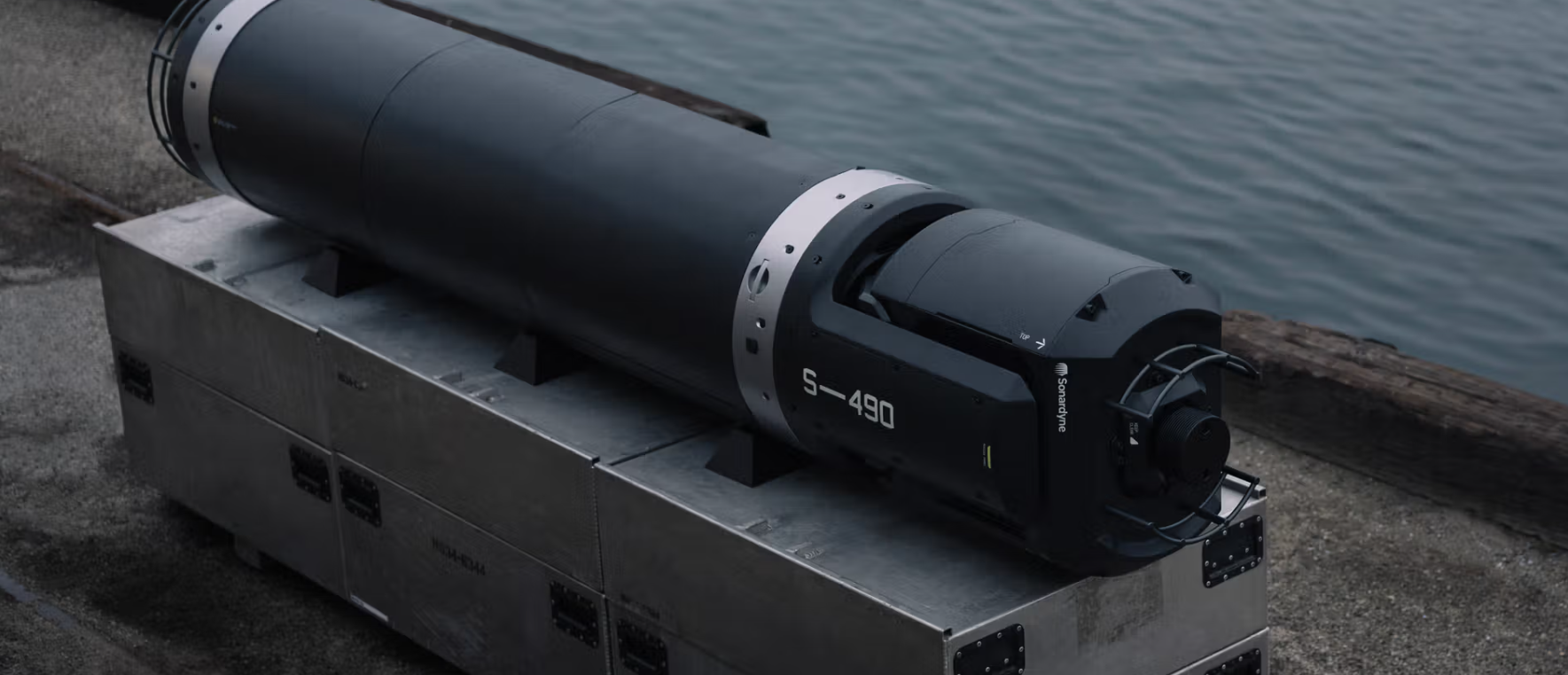
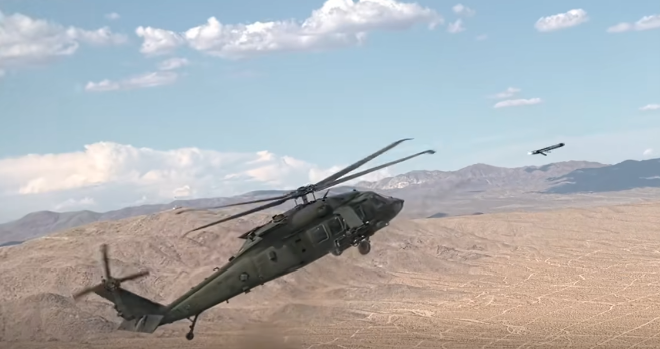
In new footage released by Anduril Industries, a U.S. Army H-60M Black Hawk executes a rocket-powered launch of the Altius-700 loitering munition during Project Convergence Capstone 6. At first glance, it looks like another weapons test.
It is not.
It is a glimpse into the future battlefield, where human crews no longer need to fly directly into danger to find and destroy targets.
The implications are enormous.
For decades, military aviation followed a straightforward logic. Helicopters and aircraft carried sensors and weapons. Pilots flew close enough to identify threats and engage them. Success depended on the range of the platform and the courage of the crew.
That model is rapidly becoming obsolete.
The Black Hawk demonstration showcased a new concept: the helicopter as a mothership. Instead of entering hostile airspace itself, the aircraft deploys autonomous hunter-killer drones capable of searching for targets independently, sharing information across an operational network, and conducting strikes without exposing the crew.
The soldier is moving farther from the battlefield.
The machine is moving closer.
The Rise of the Flying Aircraft Carrier
What makes the Altius-700 remarkable is not simply that it can destroy a target.
Modern militaries possess countless precision weapons.
The revolution lies in its ability to operate as part of a network.
According to Anduril, the Altius-700 hunter-killer team autonomously located the target, transmitted data across the formation, and executed the strike. This means the drone was not acting as an isolated weapon but as a connected node within a larger combat ecosystem.
In practical terms, one helicopter can suddenly see farther, strike deeper, and survive longer.
The crew becomes a commander of systems rather than a direct participant in combat.
Future helicopters may launch dozens of autonomous aircraft before an enemy even knows they are nearby.
This is not an upgrade.
It is a transformation.
The Economics of Modern Conflict
There is another reason military planners are paying close attention.
Cost.
The history of warfare increasingly resembles a contest between expensive platforms and cheap autonomous systems.
A traditional attack helicopter costs tens of millions of dollars.
A pilot requires years of training.
Losing either is strategically painful.
An autonomous launched effect such as the Altius-700 is comparatively expendable.
Military leaders increasingly prefer risking machines rather than personnel.
For nations facing recruitment shortages, political constraints, or prolonged conflicts, the economic logic is irresistible.
Why send a crew into a high-threat environment when a drone can do the job?
The answer is becoming harder to justify.
Ukraine, Taiwan, and the Next Battlefield
The significance extends far beyond U.S. Army modernization.
Military observers worldwide are studying the lessons emerging from Ukraine. Drones have already transformed reconnaissance, logistics, artillery targeting, and precision strike operations.
The next phase is autonomous collaborative warfare.
Future conflicts may feature aircraft launching swarms of drones capable of independently locating, prioritizing, and attacking targets.
The winning force will not necessarily possess the largest number of tanks, helicopters, or warships.
It may instead possess the most effective network of sensors, algorithms, autonomous systems, and human operators.
In that environment, information becomes more important than mass.
Software becomes as important as hardware.
And speed of innovation becomes as important as firepower.
The Human Role Is Changing
The most provocative aspect of the Black Hawk demonstration is philosophical.
Every major military innovation changes the role of humans.
The longbow reduced the importance of armored knights.
Aircraft reduced the importance of geographic barriers.
Precision-guided weapons reduced the importance of mass formations.
Autonomous systems may reduce the importance of direct human participation in combat itself.
Humans will still make critical decisions.
But increasingly, machines will search, identify, track, coordinate, and strike faster than people ever could.
The battlefield is not becoming unmanned.
It is becoming machine-assisted at every level.
A Glimpse of What Comes Next
Anduril's successful demonstration may appear to be a modest technical milestone.
It is much more than that.
The Black Hawk is evolving from a transport aircraft into a launch platform for autonomous warfare.
The drone is evolving from a simple weapon into an intelligent battlefield participant.
And the military is evolving from a force built around platforms into a force built around connected autonomous networks.
Project Convergence was designed to test the future.
This test may have shown it.
The helicopter of tomorrow may never fire the first shot.
It may simply release the machines that do.