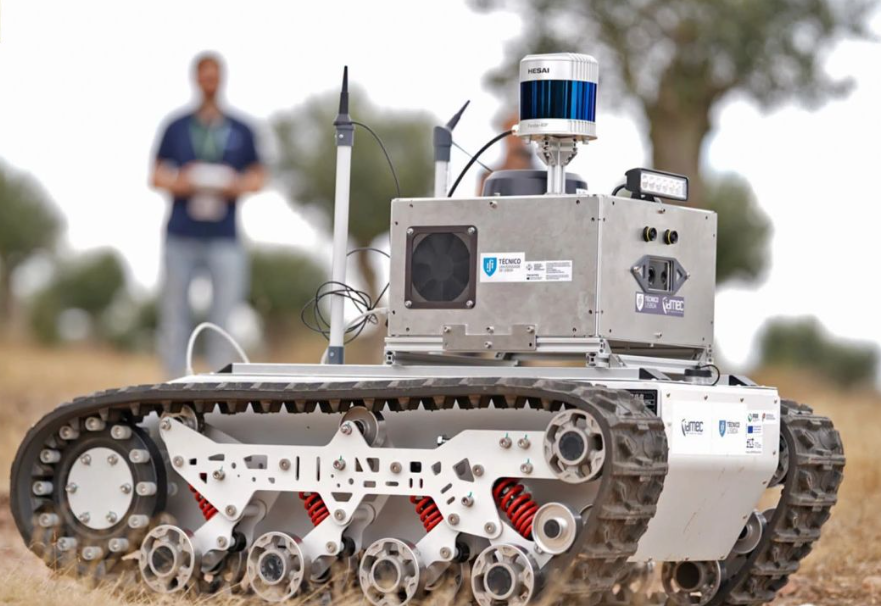
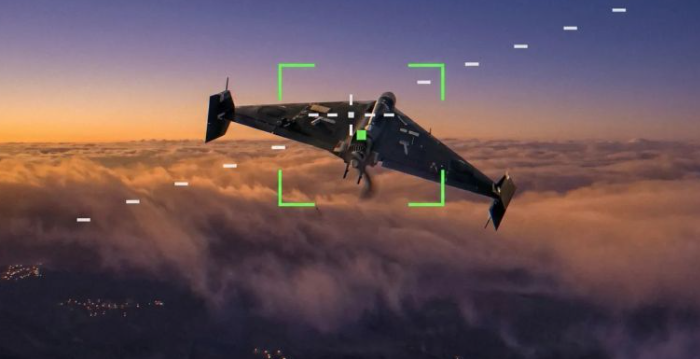
Why Robots and Drones Are About to Break the Food Delivery Business
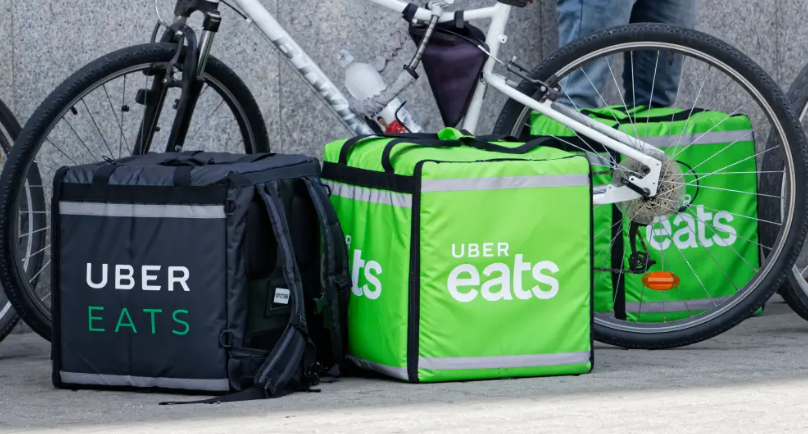
For years, food delivery has suffered from a brutal truth: demand grows fast, but profits do not. The last mile — that short, expensive journey from restaurant to doorstep — has remained stubbornly human, labour‑intensive, and costly.
That is now changing.
According to new analysis by Barclays, autonomous delivery robots and drones could slash the cost of delivering a food order to as little as $1, down from today’s human‑courier averages that dominate high‑wage markets. If the prediction holds, it will redraw the economics of the entire global food delivery industry.
Today, autonomous deliveries already show a clear advantage. In early adoption markets with high labour costs, deliveries handled by robots or drones cost around $5 to $7 per order — roughly $3 to $4 cheaper than using human riders. The long‑term vision, however, goes much further.
Barclays estimates that as technology matures and fleets scale, delivery costs could fall to $1 per order, generating savings of $8 to $9 per delivery in high‑wage regions compared with traditional rider‑based models.
This is not incremental improvement. It is structural change.
At scale, Barclays projects that autonomous delivery could unlock $16 billion in additional annual global profit for food delivery platforms, assuming average savings of $4 per order. For an industry long criticised for thin margins and persistent losses, that figure speaks louder than any promotional pitch.
And yet, the revolution is only just beginning.
Autonomous food deliveries currently account for less than 1 percent of global orders, Barclays estimates. By the end of this decade, penetration is expected to reach about 2 percent, before accelerating sharply to around 10 percent by 2035. That curve matters. Logistics platforms scale non‑linearly — once infrastructure is in place, marginal costs collapse.
Some companies are already positioning themselves for that inflection point.
DoorDash in the United States and Meituan in China are likely near‑term beneficiaries due to early commercial deployments and sustained investment in sidewalk robots and drone partnerships. Uber, which ordered thousands of AI‑enabled delivery robots as early as 2024, is also seen as well positioned for the transition.
Others may follow later, but not too late. Europe’s Delivery Hero, its Middle Eastern subsidiary Talabat, and Southeast Asia’s Grab have all launched pilot programmes, while Dutch technology investor Prosus — owner of Just Eat Takeaway — is viewed as a long‑term winner once autonomy reaches scale.
The logic behind the shift is simple. Human labour is expensive, volatile, and increasingly regulated. Robots are capital‑intensive upfront — but once deployed, they deliver predictable economics, longer operating hours, and near‑zero marginal costs.
Of course, the path is not frictionless. Regulation, urban infrastructure, weather, last‑meter access, and public acceptance all remain real challenges. Autonomous systems struggle with stairs, gated buildings, and complex city layouts. Not every delivery route will suit a drone or sidewalk robot.
But platforms do not need full replacement to win.
Even partial automation delivers massive leverage when millions of orders are involved. Each percentage point shift away from human couriers compounds directly into margin.
That is why Barclays describes the industry’s move toward autonomous delivery as a “clear strategic shift.” It is not about novelty. It is about survival.
The food delivery market is entering a phase where cost leadership will decide dominance. And in that contest, robots and drones do not just help.
They change the rules.

.jpg)