Why our food is going to get more expensive thanks to the war on Iran?
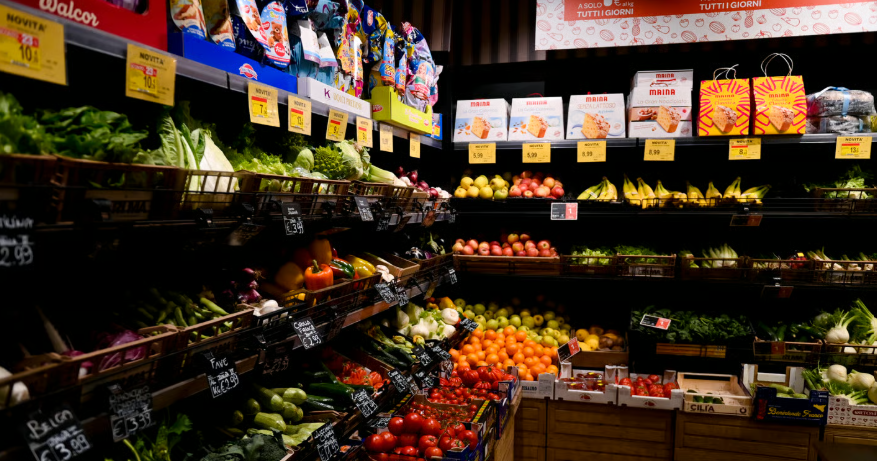
Wars rarely stay confined to the front lines. Sometimes, they end up on your receipt.
As the conflict between the U.S., Israel, and Iran drags on, the economic shockwaves are spreading far beyond energy markets. While drivers are already feeling higher prices at the pump, economists warn that food prices may be next — especially if Iran continues to effectively choke off traffic through the Strait of Hormuz.
The narrow waterway between Iran and Oman is one of the most critical choke points in the global economy. Around 20% of the world’s oil and liquefied natural gas passes through it — but far less attention is paid to what else flows through Hormuz: fertilizers.
That oversight may soon prove costly.
Fertilizer: the hidden accelerant
Roughly one‑third of globally traded fertilizer, including ammonia, urea, and nitrogen‑based inputs, transits the Strait of Hormuz. With commercial shipping largely halted due to Iranian threats and attacks on vessels, fertilizer markets are already tightening.
Prices are moving fast. Urea fertilizer prices have jumped sharply since the conflict began, with some markets reporting increases of around 30% in just weeks.
Fertilizer is not a marginal input. It is foundational. Higher fertilizer costs raise production expenses for farmers, reduce yields if application rates are cut, and eventually push prices higher all along the food supply chain — from processing plants to logistics to retail shelves.
Energy costs don’t stop at the pump
Energy prices compound the problem. Even after coordinated releases from global oil reserves, fuel prices remain elevated as insurers withdraw coverage and shipping firms reroute vessels thousands of miles around Africa’s Cape of Good Hope.
Those detours add weeks of transit time and millions of dollars in extra fuel costs per voyage, driving up freight rates across the board.
Food doesn’t teleport. It rides on diesel‑powered trucks, ships, and trains.
Farmers feel it first — and absorb it longest
Across Europe, farm groups warn that farmers will be the first to absorb rising costs — and often the last to recover them. Many entered this season with already thin margins after years of volatility driven by COVID‑19, Russia’s war in Ukraine, and extreme weather.
Economists say the pattern is familiar.
“It’s first higher energy prices and fertilizer prices, which will then have knock‑on effects on transportation and food prices, and will eventually also end up in supermarkets,” said ING’s chief economist Carsten Brzeski.
The key variable is time.
A short shock — or a long squeeze?
If the conflict de‑escalates quickly and shipping through Hormuz resumes, the impact on consumers could be painful but manageable, analysts say. Many farmers have already secured fertilizer for the spring planting season, which may delay the worst effects.
But if the blockade persists into the summer, the risk rises sharply.
History offers a warning. Similar supply‑chain shocks during the pandemic and the early months of Russia’s invasion of Ukraine sent food inflation soaring across Europe. Analysts see worrying parallels — though not yet at the same scale.
Governments brace for spillover
European governments are watching closely. Several countries have urged the European Commission to consider emergency measures, while others are preparing relief packages for sectors most exposed to fuel price spikes, including agriculture.
Retailers, for now, are trying to hold the line on prices. But margins are finite, and prolonged cost pressure has a way of breaking even the strongest resistance.
The quiet cost of conflict
The war over Hormuz is not just about oil or geopolitics. It is about inputs — the invisible building blocks of modern life.
If fertilizer and energy costs stay high, the effects will be slow, uneven, and unavoidable. You may not notice them immediately. But eventually, they will arrive where wars always do in modern economies: at the checkout counter.