Ukraine’s Southern Counterpunch in March 2026 - and the New Attrition War Russia Didn’t Want

Russia’s spring–summer offensive blueprint in southern Ukraine was supposed to be about momentum: press hard in Zaporizhia, widen the breach, and set conditions for a push toward Zaporizhzhia City. Instead, Ukraine is turning that plan into a grind—one counterattack, one drone strike, one forced redeployment at a time.
According to the Institute for the Study of War’s latest assessment, Ukrainian forces are counterattacking not only near Oleksandrivka and Hulyaipole but also in western Zaporizhia Oblast—actions the analysts say are producing tactical, operational, and even strategic effects that may disrupt Russia’s spring–summer 2026 offensive campaign plan. The same assessment notes that Russia likely hoped advances in the Hulyaipole direction would complement gains near Orikhiv—enabling pressure from multiple axes and eventually opening a path toward Zaporizhzhia City.
The important part isn’t just who gained a village or lost a trench line. It’s what these moves force Russia to do next.
ISW highlights how Ukraine’s counterattacks are creating cascading effects across sectors, revealing how constrained Russia’s force structure is—particularly if Moscow is compelled to shift units between Zaporizhia, Kherson, and other fronts. ISW’s March 7 assessment also describes likely lateral redeployments—elite airborne (VDV) and naval infantry elements moving toward the southern frontline in response to Ukrainian gains in Zaporizhia and Dnipropetrovsk directions. This is what operational friction looks like: every tactical setback becomes a logistical bill that has to be paid in redeployments, reserves, and time.
And time matters—because this is no longer only a ground war.
It’s also a command‑and‑control war.
Reports in early February described a tightening net around Russia’s illicit use of Starlink terminals—an issue that, according to analysis, has contributed to a growing communications crisis for Russian forces alongside broader disruptions. Even where battlefield effects are debated, the theme is consistent: modern offensives don’t just depend on shells and armor; they depend on connectivity. If you can’t coordinate, you can’t exploit.
But the sharpest edge of this conflict may now be in the sky—specifically, in the arithmetic of air defense.
ISW-linked reporting says Russia has increased the share of ballistic missiles in recent strike packages, including the March 6–7 series where roughly half of the missiles were reportedly ballistic—an unusual proportion. Analysts argue Moscow may be trying to exploit Ukraine’s reliance on Patriot systems and strain Ukraine’s interceptor stocks, particularly as Patriot interceptors are also in heavy demand amid escalations in the Middle East.
This is attrition in its purest form: not just destroying targets, but forcing the opponent to spend scarce, expensive interceptors on hard‑to‑stop threats. In other words, the contest isn’t only about radar coverage or launcher positions—it’s about who runs out first.
Then comes the twist: Ukraine is increasingly exporting not weapons, but know‑how.
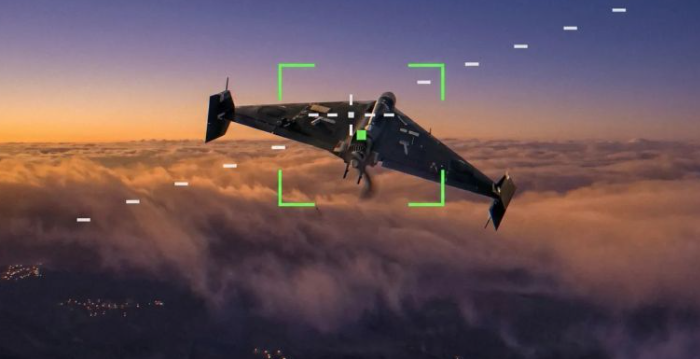
On March 9, President Volodymyr Zelensky said Ukraine deployed interceptor drones and a team of specialists to help protect U.S. military bases in Jordan, reflecting Ukraine’s hard‑earned expertise against Iranian‑made Shahed‑type drones. That same reporting notes Kyiv has developed interceptor drones and other technologies to defend its airspace, and that multiple states have sought cooperation around Ukraine’s capabilities.
Put the pieces together and you get a new picture of the war.
Ukraine’s counterattacks in the south are not simply “local successes.” They’re part of a broader pressure system: disrupt Russian advances on the ground, complicate Russian command networks, degrade Russian sensors and air defenses, and force Russia into costly choices about where to reinforce and where to accept risk.
And hovering over all of it is the most modern question in warfare: is victory now less about what you can hit—and more about what you can afford to intercept?